From breakfast to dinner, from wholesome meals to indulgent desserts, Nexa Recipes offers quick, easy, and delicious ideas for every occasion and every moment.



 This Recipe
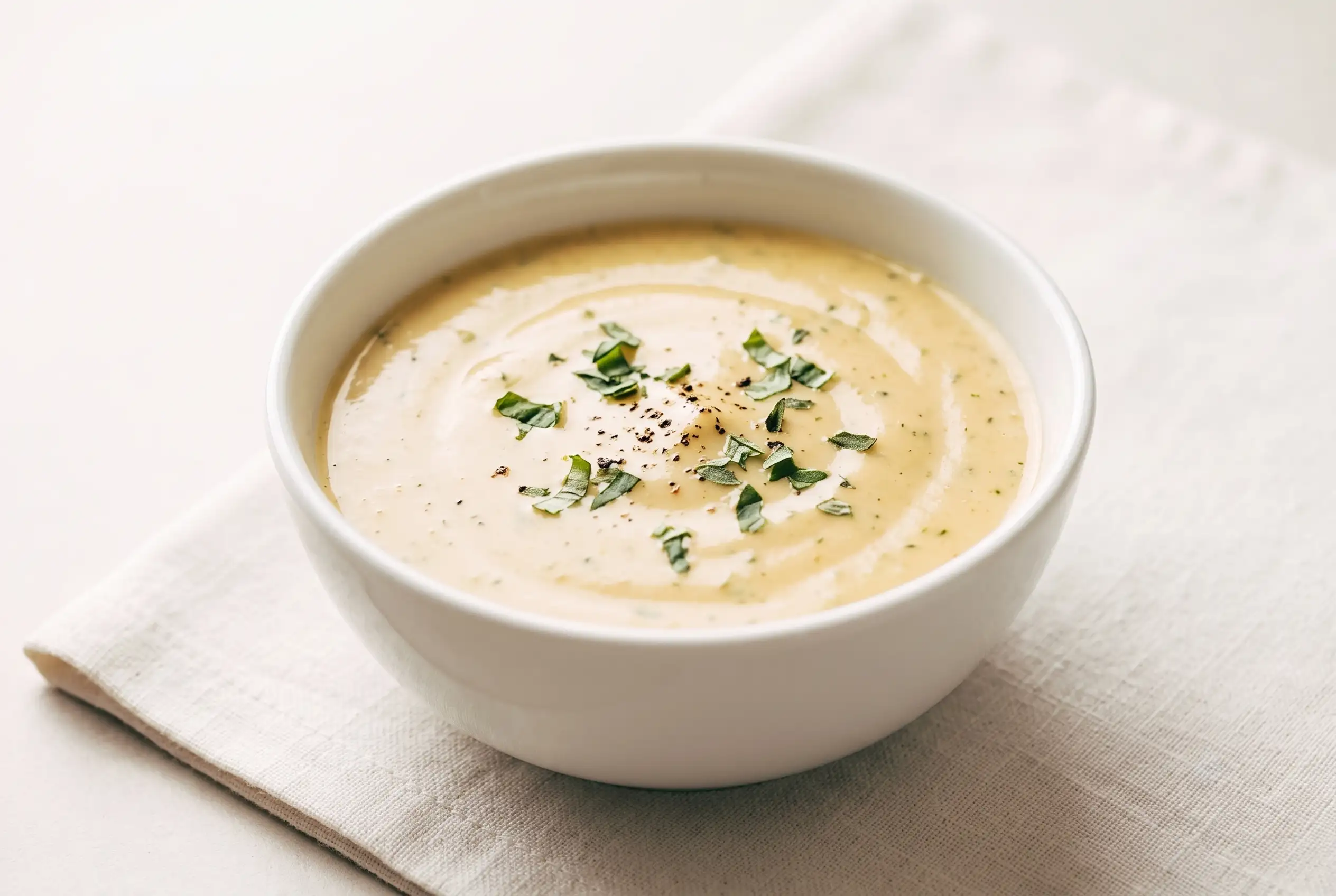
Sunshine sauce is a quick olive oil herb sauce that turns simple meals into something bright, savory, and satisfying with a creamy finish. The blend combines pantry staples with fresh optional upgrades, creating a versatile topping that works across roasted vegetables, salads, and meal preparation.
The appeal of a 5 minute sunshine sauce recipe comes from its balance of ease and flavor. A few everyday ingredients come together into a smooth sauce with enough acidity, seasoning, and richness to complement many different dishes without requiring a complicated cooking process.
Sunshine Sauce Brings Bright Flavor To Everyday Meals
Sunshine sauce stands out because it changes the character of familiar foods without overwhelming them. The smooth texture helps it coat ingredients evenly, while the combination of herbs, vinegar, garlic, and olive oil creates a savory profile that feels fresh even when made from pantry ingredients.
Many sauces require specialty ingredients or longer preparation, but this blend focuses on accessibility. The base stays dependable when only shelf-stable items are available, while optional additions allow the flavor to move toward a brighter, garden-inspired finish.
Roasted vegetables benefit from the sauce’s creamy coating, and salads gain a more substantial dressing option. It also works well for meal preparation because a single batch can add variety to several different foods throughout the week.
Keeping a versatile sauce available makes everyday cooking easier. Sunshine sauce provides a way to bring together different textures and flavors while keeping the preparation centered on a simple blend.
Olive Oil And Herbs Shape The Sauce’s Character
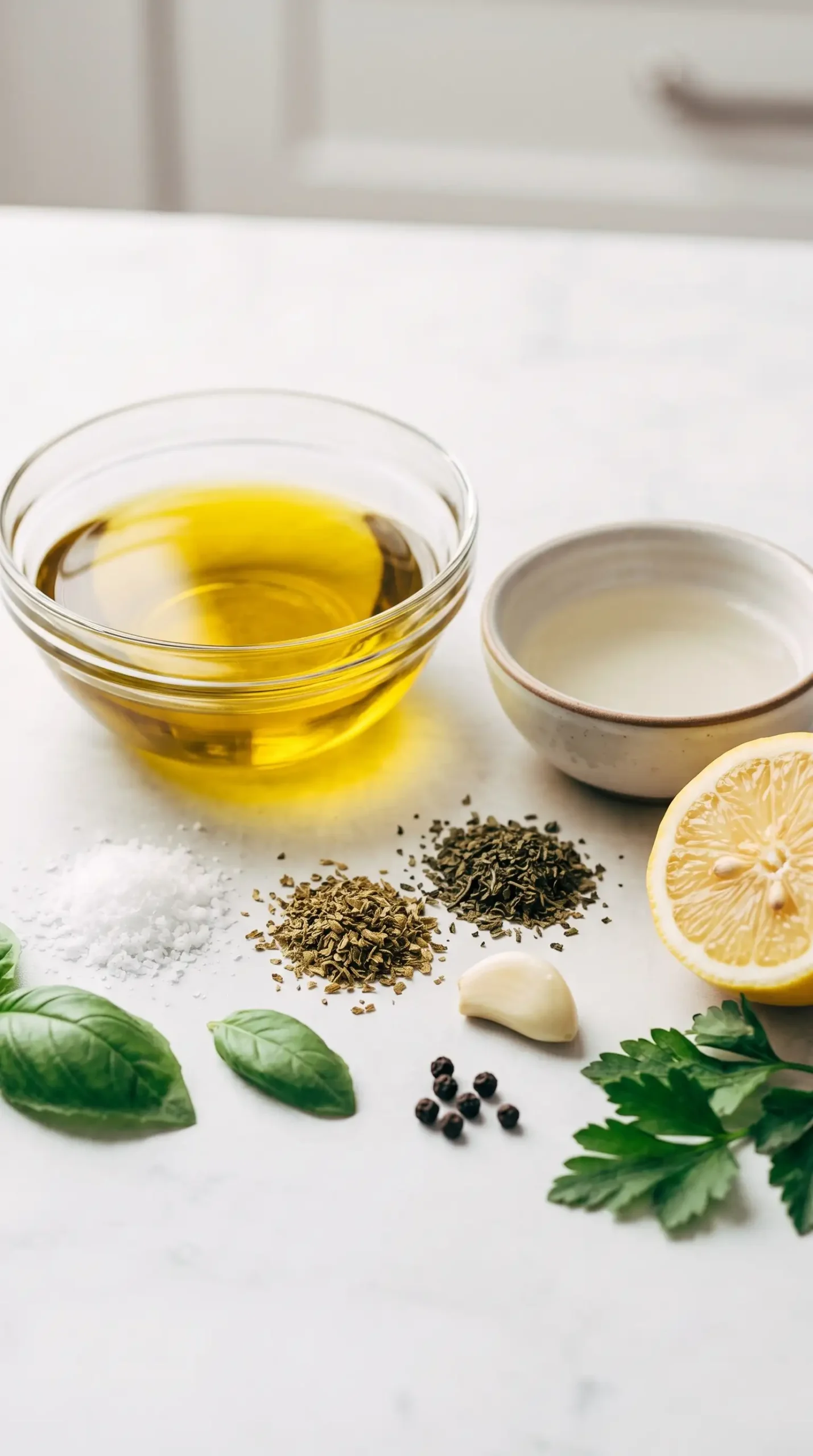
The ingredient choices in sunshine sauce determine how the finished blend behaves. Olive oil creates the foundation, giving the sauce richness and helping the dried herbs spread throughout each spoonful.
White vinegar brings acidity that keeps the sauce lively, while garlic introduces a savory note that connects the oil, herbs, and vegetables it accompanies. Coarse kosher salt helps the flavors become more noticeable without requiring a long resting period.
Dried oregano and dried basil create the familiar herbal direction of an olive oil herb sauce. Their concentrated flavor works well in a pantry-friendly version because they are easy to keep available and blend smoothly into the mixture.
| Element | Role in sunshine sauce | Cook-facing choice |
|---|---|---|
| Olive oil | Creates richness and body | Use a flavorful oil you enjoy |
| White vinegar | Adds brightness and balance | Adjust gently if a sharper finish is preferred |
| Dried herbs | Build the savory profile | Keep the blend pantry-friendly |
Fresh lemon and herbs can shift the sauce toward a more vibrant flavor when they are available. Parsley or basil can suit Italian-style meals, while cilantro can complement Mexican-inspired dishes.
Blending Control Creates Creamy Sunshine Sauce Texture
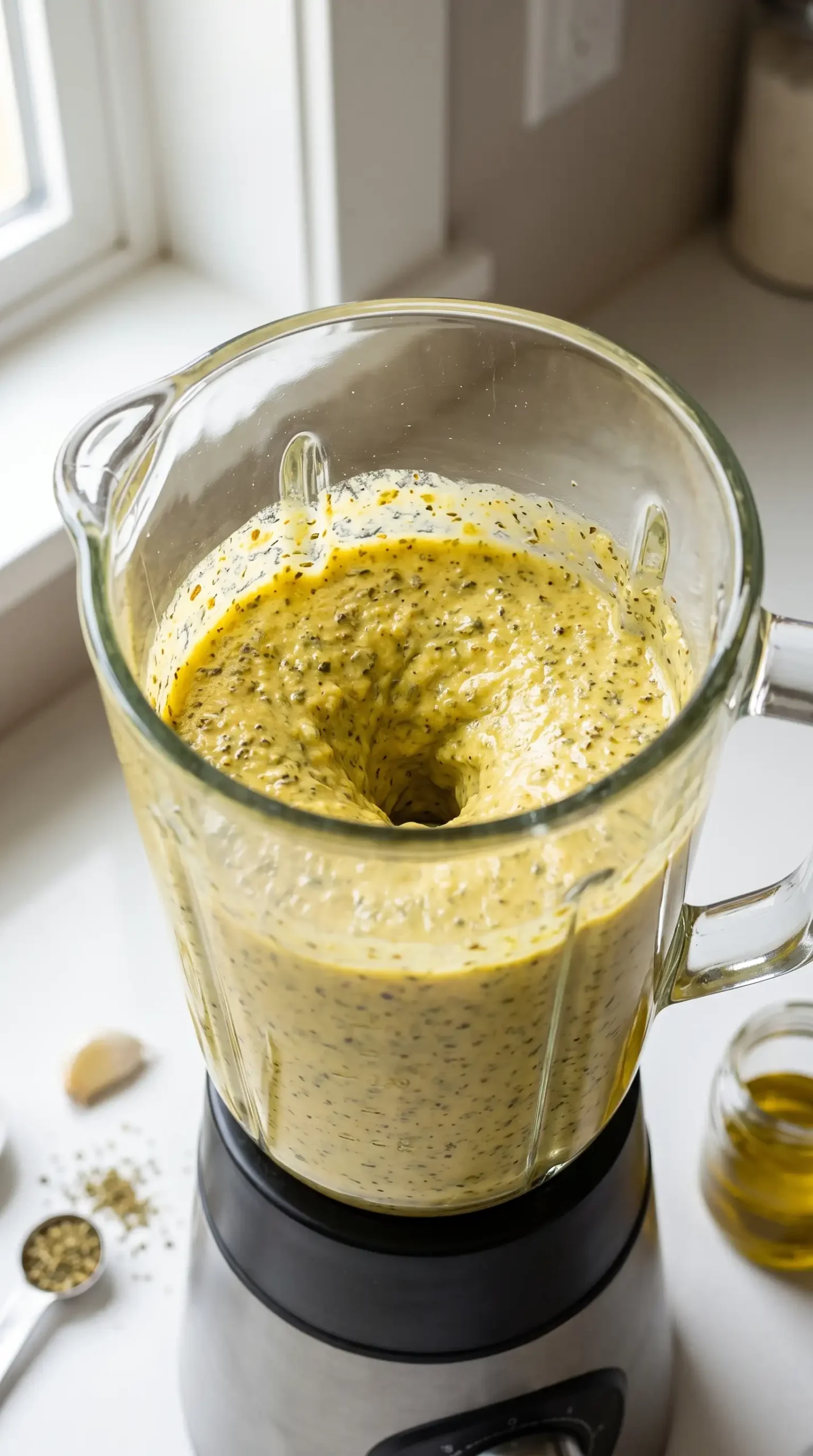
The texture of creamy sunshine sauce depends on thorough blending. A blender or food processor helps combine the oil, water, seasonings, and aromatics into a smoother mixture that feels cohesive.
The smooth texture comes from more than just blending time. The process of oil and water emulsification helps disperse small oil droplets through water-based ingredients, creating a more cohesive sauce texture.
Watching the texture during blending helps prevent an uneven finish. The sauce should look unified, with the herbs and garlic distributed throughout instead of sitting separately.
Fresh Additions Change The Pantry-Friendly Base
The pantry version of sunshine sauce is designed to work without extra fresh ingredients, but small additions can personalize the flavor. Fresh lemon adds a citrus note, while herbs bring a greener aroma.
- Lemon upgrade: Adds a brighter, more citrus-forward finish.
- Parsley or basil: Creates a fresh direction for Italian-inspired dishes.
- Cilantro addition: Gives the sauce a different herbal character for Mexican-style meals.
These additions are optional choices that allow the same sauce concept to fit different meals and preferences.
Sunshine Sauce Fits More Than One Meal Plan
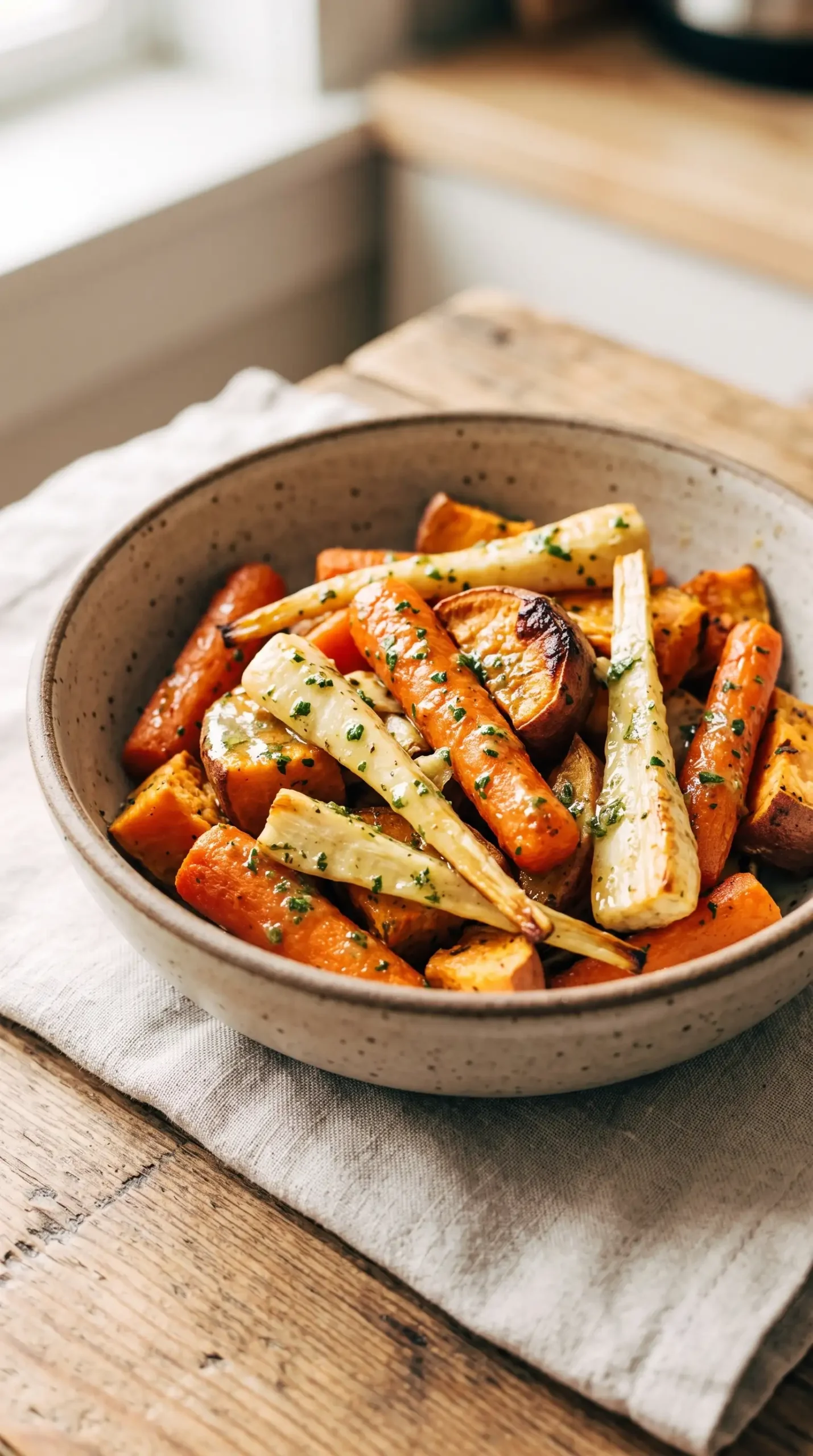
The flexibility of sunshine sauce comes from its ability to support many types of meals. The smooth consistency makes it useful wherever a flavorful coating or finishing touch is needed.
Roasted vegetables are one of the easiest pairings because the sauce can add moisture and seasoning after cooking. Crispy vegetables such as air fryer broccoli benefit from a finishing layer of herbs and olive oil, while salads gain a more substantial dressing option.
Meal preparation becomes more interesting when one prepared sauce can change the personality of different ingredients. The same blend can support vegetables, grains, or other everyday dishes without requiring separate flavor systems.
Beyond the main meal, the sauce works as a finishing element that helps simple foods feel more complete. Its balanced flavor makes it adaptable across many cooking styles.
Simple Pairings Highlight The Olive Oil Herb Sauce
An olive oil herb sauce like this works best when paired with foods that benefit from a flavorful coating. The smooth texture helps connect the sauce with both tender and crisp ingredients.
- Roasted vegetables: Spoon over cooked vegetables for added herb and garlic flavor.
- Fresh salads: Use as a dressing alternative with greens and other toppings.
- Prepared meals: Add variety to stored portions when serving time arrives.
The sauce is especially useful when a meal needs a finishing touch that feels homemade without adding complicated preparation.
Avoiding Sunshine Sauce Mistakes Keeps The Blend Smooth
Common sunshine sauce mistakes usually involve texture or balance rather than complicated cooking issues. Paying attention to the blending process and consistency helps protect the intended creamy result.
Using too little water can leave the sauce thicker than expected, especially after chilling. Adding a small amount of water can loosen the mixture when it becomes too dense.
Forgetting that oil-based sauces can separate may lead to unnecessary adjustments. Separation is natural, and shaking the jar brings the ingredients back together.
Adding fresh ingredients without considering the intended flavor direction can also change the result. Fresh herbs and lemon are useful upgrades, but the pantry base has its own purpose and should remain balanced.
Storage Habits Protect The Sauce’s Texture
Sunshine sauce keeps well when stored in a jar in the refrigerator. If the oil becomes firm after chilling, allowing the jar to warm slightly or using warm water around the outside can help restore a pourable texture.
Water Balance Adjusts The Finished Consistency
The amount of water influences how easily sunshine sauce coats food. A thicker texture can work for dipping or heavier applications, while a slightly thinner blend may spread more easily over salads and vegetables.
Flavor Tweaks Keep Sunshine Sauce Flexible
Sunshine sauce can adapt to different meals without losing its core identity. Small changes in fresh additions or serving choices allow the same base to move between cuisines and occasions.
Fresh herbs provide one of the simplest ways to adjust the personality of the sauce. Parsley can keep the flavor clean, basil can emphasize an Italian direction, and cilantro can create a different herbal expression.
Lemon offers another adjustment point by adding brightness to the existing vinegar-based balance. It works especially well when the sauce is paired with vegetables or lighter dishes.
Keeping adjustments simple helps preserve the sauce’s purpose. The strongest variations build on the original balance instead of replacing the character that makes it useful.
The Sauce’s Pantry Design Makes Preparation Accessible
The pantry-friendly structure of sunshine sauce is one of its most practical qualities. The base relies on ingredients that are commonly available, making it possible to create a flavorful addition without planning around fresh produce.
This approach also makes the sauce easy to customize. Fresh ingredients can be added when available, but the core blend remains useful on its own.
Serving Ideas Turn Sunshine Sauce Into A Kitchen Staple
A prepared jar of sunshine sauce can simplify everyday meals by providing an instant layer of flavor. The sauce fits naturally into routines where vegetables, salads, or prepared foods need a finishing touch.
Blended Sunshine Sauce Delivers Fresh Flavor With Minimal Work
Sunshine sauce succeeds because the finished blend depends on balance: olive oil provides richness, vinegar brings brightness, herbs create familiarity, and blending brings everything together into a smooth texture. Those choices create a sauce that remains flexible without requiring a long preparation process.
When the consistency and flavor are adjusted with care, the sauce becomes a dependable kitchen addition that can change simple ingredients into more satisfying meals.
Sunshine Sauce Questions About Storage And Uses
Can sunshine sauce be adjusted after chilling?
Yes. Chilling can make the oil component feel thicker, but allowing the sauce to warm slightly and shaking it can help restore a smoother texture. A small amount of water can also loosen a sauce that feels too thick.
What foods pair best with sunshine sauce?
Roasted vegetables and salads are natural choices because the sauce adds seasoning and richness without requiring additional preparation. It can also support meal-prep dishes where a flavorful finishing element is helpful.
Can fresh herbs replace dried herbs in sunshine sauce?
Fresh herbs can be added as an optional variation, especially when a greener flavor is desired. Parsley, basil, and cilantro each create a different direction while keeping the sauce flexible.
Why does sunshine sauce separate in the jar?
Separation happens because the oil and other ingredients naturally settle over time. A quick shake combines the mixture again so the sauce returns to a more even texture.
Sunshine Sauce with Olive Oil Herb Flavor for Salads
Sunshine sauce is a quick, creamy olive oil herb sauce with a smooth texture and bright savory flavor. This versatile blend is perfect for adding a fresh finishing touch to everyday meals.
Ingredients
Method
Preparation
- Add all ingredients to a blender or food processor and blend until the sauce is smooth and creamy.
- Serve the finished sauce with roasted vegetables, salads, meal prep dishes, or other foods that benefit from a flavorful finishing sauce.
Notes
The base recipe is designed to be pantry-friendly, but fresh lemon can add brightness and fresh herbs can enhance the flavor when available. Parsley or basil works well for Italian-style dishes, while cilantro adds a different herbal direction for Mexican-inspired meals. Store the sauce in a jar in the refrigerator for about one week. If it separates, shake it again before using. If the oil becomes firm after refrigeration, allow it to sit at room temperature briefly or warm the jar under water and shake. Add a little more water if the sauce becomes too thick.