From breakfast to dinner, from wholesome meals to indulgent desserts, Nexa Recipes offers quick, easy, and delicious ideas for every occasion and every moment.



 This Recipe
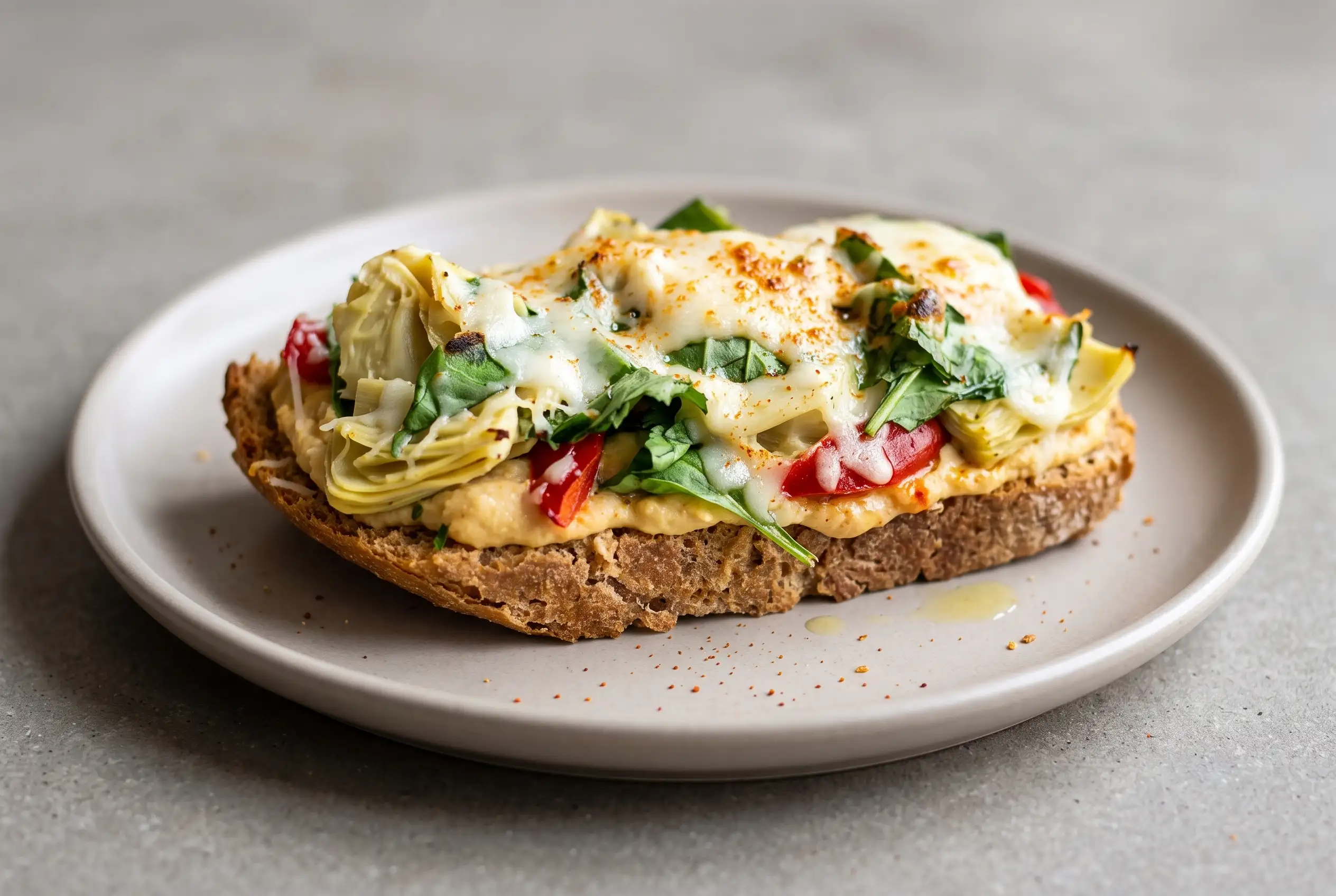
Artichoke red pepper melt combines creamy hummus, roasted red peppers, tender artichokes, spinach, and melted mozzarella into a warm open-faced sandwich with Mediterranean-inspired flavors. The combination works because each layer has a clear purpose: the hummus creates a smooth base, the vegetables provide contrast, and the cheese brings the ingredients together under heat.
Artichoke Red Pepper Melt Builds Flavor Through Layered Textures
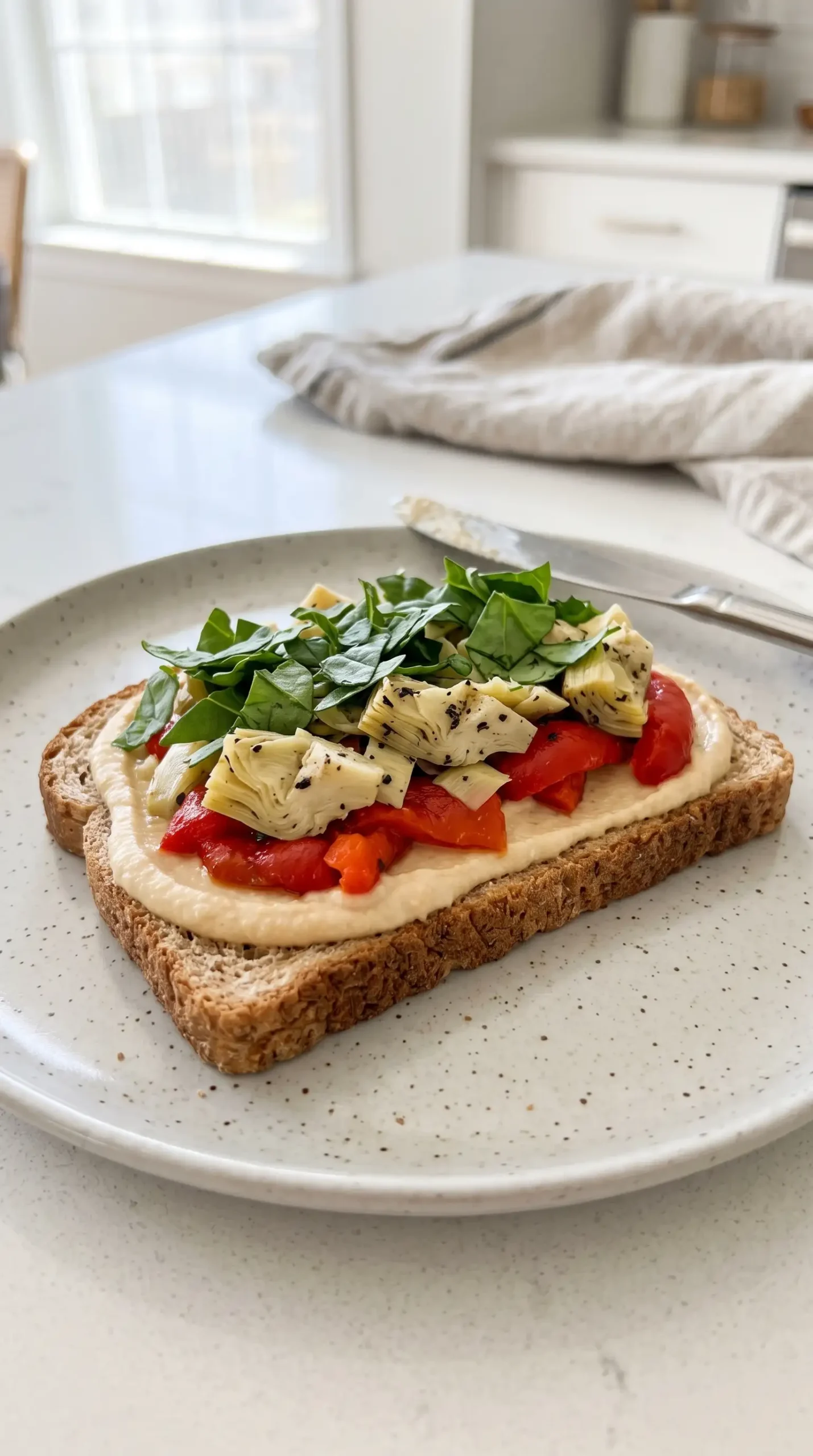
The structure of an artichoke red pepper melt depends on how the toppings interact. Whole wheat bread provides a firm foundation that can support the vegetable layers, while the hummus helps create a creamy connection between the bread and toppings.
Roasted red peppers bring a soft texture and a naturally sweet flavor that pairs well with the earthy notes of artichokes. Chopped spinach fits into the sandwich without overwhelming the other ingredients, creating a balanced bite where vegetables remain noticeable.
Hummus artichoke melt sandwich variations often succeed because the spread replaces heavier sauces while still adding richness. In this version, the hummus acts as both a flavor element and a practical layer that helps the toppings stay connected during broiling.
Hummus Creates the Creamy Foundation for the Sandwich
The hummus layer is the ingredient choice that most influences the finished texture of the melt. Spreading it directly onto the bread creates a smooth surface that separates the crisp exterior from the softer toppings above, much like the role of a vegetable toast with creamy spread where the base supports flavorful toppings.
Because the bread remains exposed around the edges, the hummus also helps maintain a satisfying contrast after heating. A generous but even layer prevents some bites from feeling dry while allowing the roasted peppers, spinach, and artichokes to remain distinct.
The placement of hummus makes the sandwich feel complete without requiring additional sauces or complicated additions. Its savory chickpea base supports the vegetables and complements the mozzarella as it melts across the surface.
Roasted Red Peppers Define the Vegetable Balance
Roasted red peppers give the roasted red pepper artichoke sandwich its recognizable character. Their tender texture allows them to blend naturally with the chopped artichokes while adding a colorful layer that stands out against the bread and hummus.
When preparing the topping arrangement, keeping the peppers distributed across the surface helps every portion receive their flavor. Large pieces can dominate individual bites, so the peppers work best when placed evenly across the sandwich.
| Topping | Texture Contribution | Flavor Role |
|---|---|---|
| Hummus | Smooth and creamy | Savory base layer |
| Roasted red peppers | Soft and tender | Sweet roasted flavor |
| Artichokes | Chunky and delicate | Earthy vegetable notes |
| Spinach | Light and fresh | Green vegetable balance |
| Mozzarella | Melted and stretchy | Rich finishing element |
Artichoke and Spinach Layers Need Careful Preparation
Artichokes and spinach create a lighter vegetable profile that keeps the melt from becoming one-dimensional. Draining the artichokes before chopping matters because excess moisture can affect the bread during heating.
Fresh spinach should be chopped so it integrates with the other toppings instead of forming a separate layer that slides away when served. The smaller pieces distribute its flavor throughout the sandwich while maintaining the vegetable-forward character.
An artichoke spinach melt highlights how simple preparation choices influence the eating experience. The vegetables do not need elaborate treatment; their success comes from placement, balance, and compatibility with the creamy hummus and cheese.
Cheese Melting Control Shapes the Finished Bite
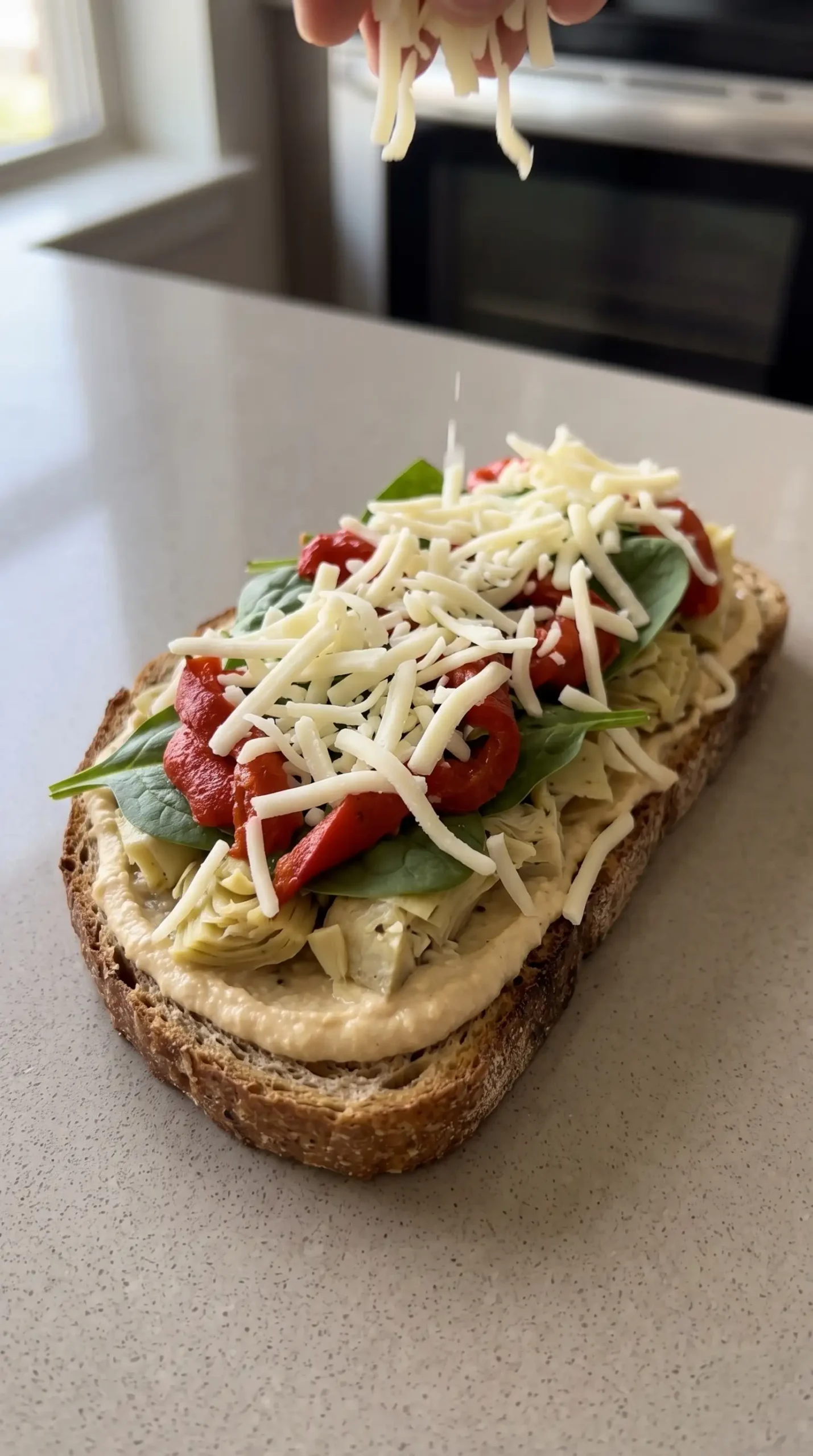
Mozzarella provides the finishing texture that turns the vegetable-topped bread into a cohesive melt. The cheese needs enough heat to soften and connect the toppings while keeping the vegetables recognizable.
- Even coverage: Spread cheese across the topping surface so melted areas connect different ingredients.
- Visible vegetables: Avoid covering every topping completely, allowing the roasted peppers and artichokes to remain part of the presentation.
- Heat awareness: Watch the sandwich closely while broiling because cheese texture changes quickly near direct heat.
Broiling Technique Keeps the Melt Balanced
The cooking control that most improves an artichoke red pepper melt is managing the broiling process. Direct heat quickly warms the toppings and melts mozzarella, so attention during this stage determines whether the bread and toppings finish properly.
Broiling works well for this melt because broiling uses direct heat from above, so the distance from the heat source influences how quickly the mozzarella melts and the toppings brown.
Keeping the bread arranged with the crust on the outside helps maintain structure as the sandwich heats. The surface should become warm and the cheese should melt without losing the contrast between the crisp bread and soft toppings.
The finishing drizzle of olive oil and sprinkle of cayenne add a final adjustment after heating. The oil contributes richness, while cayenne introduces a small amount of heat that complements the sweet roasted peppers.
Artichoke Red Pepper Melt Mistakes That Affect Results
Several avoidable issues can change the texture of an artichoke red pepper melt. Paying attention to moisture, topping distribution, and heat exposure keeps the sandwich closer to the intended balance.
- Wet artichokes: Excess liquid can soften the bread, so drained and chopped pieces create a better base.
- Uneven toppings: Thick piles in one area can prevent consistent melting and make some bites heavier.
- Overlooking broiling time: Leaving the sandwich unattended can cause the cheese to pass the ideal melted stage.
The hummus layer should remain supportive instead of becoming so thick that it hides the vegetables. A balanced spread allows every component to contribute to the finished sandwich.
Serving Choices Highlight the Mediterranean-Inspired Melt
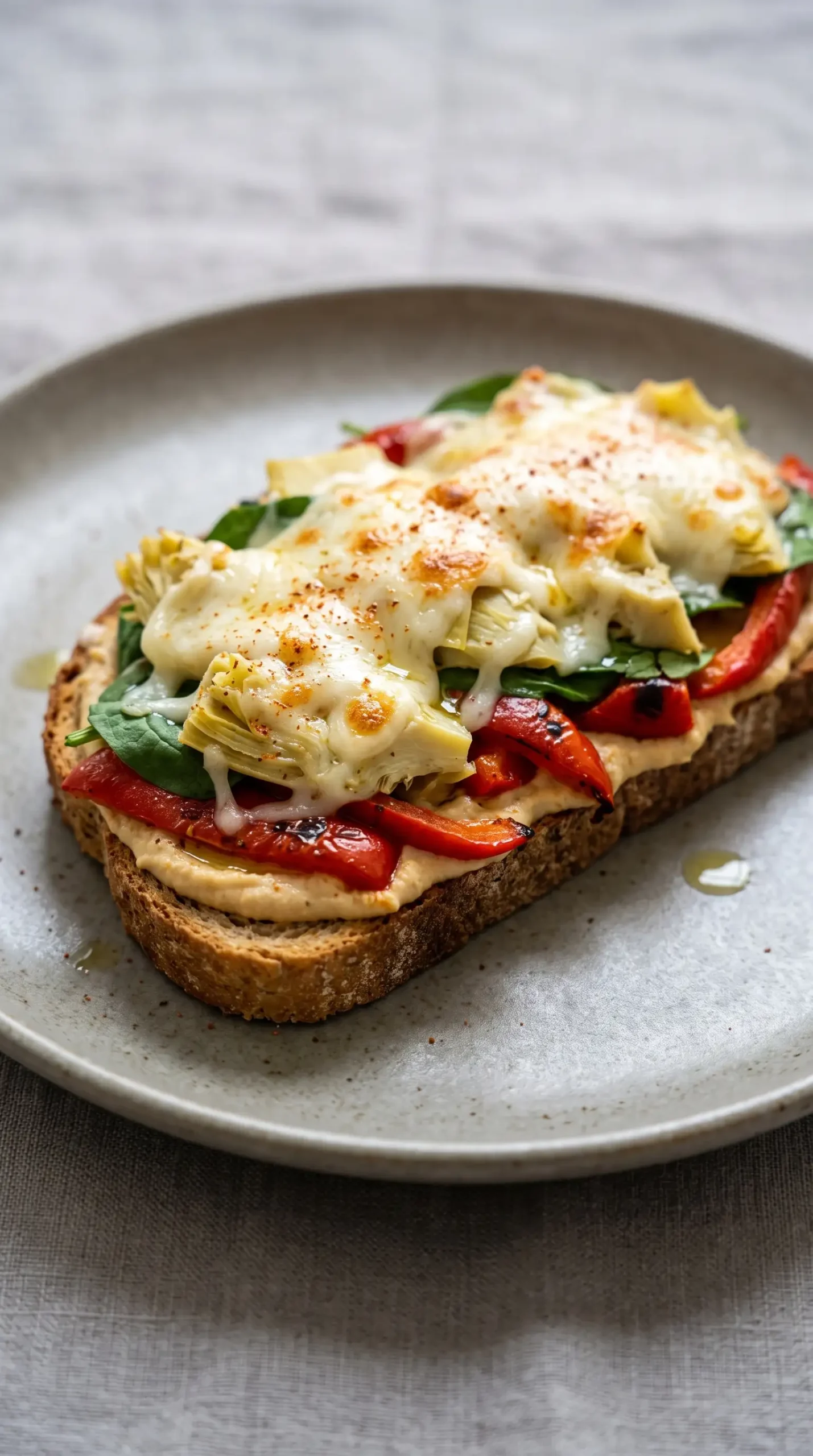
The artichoke red pepper melt can be served as a simple lunch or a light meal where the vegetable toppings remain the focus. The warm bread, creamy hummus, and melted cheese create a satisfying combination without requiring extra additions.
Cayenne and olive oil provide the listed finishing touches, but the sandwich also pairs naturally with fresh sides that do not compete with its flavors. A crisp accompaniment can emphasize the contrast between the warm melt and cooler textures.
| Serving Approach | Best Feature | Pairing Direction |
|---|---|---|
| Warm sandwich presentation | Highlights melted mozzarella | Simple fresh side |
| Open-faced style | Shows colorful toppings | Light accompaniment |
| Vegetable-focused meal | Keeps hummus and produce prominent | Fresh flavors |
Simple Adjustments Keep the Melt Flexible
The basic structure allows small changes while preserving the identity of the dish. Different whole wheat bread options can change the texture, but the important element is choosing a slice sturdy enough to hold the toppings.
Additional seasoning choices should support the existing flavors instead of masking them. The roasted peppers, artichokes, hummus, spinach, and mozzarella already create a layered profile that benefits from careful additions.
Storage and Reheating Considerations Protect Texture
Warm sandwiches with vegetable toppings are best enjoyed soon after preparation because the bread texture is strongest when freshly heated. If storing leftovers, keeping moisture exposure low helps preserve the structure.
Reheating should focus on warming the topping layers while avoiding a soggy bread texture. Gentle reheating methods that restore warmth without adding moisture can better maintain the contrast between the bread and filling.
Artichoke Red Pepper Melt Fits Quick Vegetable Meal Ideas
The artichoke red pepper melt shows how a small group of ingredients can create a satisfying meal through thoughtful arrangement. The recipe relies on familiar foods but uses their textures and flavors in a way that feels more complete than a basic sandwich.
Its appeal comes from the interaction between creamy hummus, roasted vegetables, greens, and melted cheese. Each layer remains recognizable while contributing to a unified warm sandwich experience.
Choosing Ingredients Improves Every Artichoke Red Pepper Melt
Selecting ingredients with the right preparation in mind makes the difference between a crowded sandwich and a balanced one. Drained vegetables, evenly spread hummus, and well-positioned toppings allow the heat to work effectively.
The bread serves as more than a base; it provides the structure that carries the creamy and vegetable layers. Careful assembly helps maintain the intended contrast after broiling.
Artichoke Red Pepper Melt Delivers a Balanced Warm Sandwich Finish
The hummus base, roasted peppers, artichokes, spinach, and mozzarella create a melt where every ingredient has a clear role. The most important cooking decision is preserving the difference between creamy toppings, tender vegetables, melted cheese, and sturdy bread.
Artichoke red pepper melt succeeds when the toppings remain balanced and the broiling stage brings the layers together without hiding their individual qualities. That combination creates a warm sandwich with a satisfying texture and a distinct vegetable-forward flavor.
Artichoke Red Pepper Melt Questions About Texture and Preparation
Can the artichoke red pepper melt be made with another type of bread?
Yes, a different bread can work if it provides enough support for the toppings. A slice that becomes too soft during heating may not hold the hummus, vegetables, and cheese as effectively.
How can soggy bread be avoided in this sandwich?
Using drained artichokes and keeping the topping layers evenly distributed helps reduce excess moisture. The bread should remain firm enough to support the warm ingredients after broiling.
Can hummus be replaced in the melt?
Hummus provides the creamy base that defines the sandwich, so replacing it will change the flavor and texture. A substitute should offer a similar smooth consistency to maintain the structure.
What makes the roasted peppers important in this sandwich?
Roasted peppers add a tender texture and sweet roasted flavor that balances the earthy artichokes and creamy hummus. They are a key part of the sandwich’s overall flavor profile.
Artichoke Red Pepper Melt with Hummus and Mozzarella
Artichoke Red Pepper Melt is a quick open-faced sandwich with creamy hummus, tender vegetables, and melted mozzarella for a warm, satisfying texture. It is an easy choice when you want a flavorful vegetable-forward meal with simple ingredients.
Ingredients
Method
Assembly
- Spread the hummus over the two bread slices, then layer the roasted red peppers, spinach, artichokes, and mozzarella evenly between the slices.
Cooking
- Broil at 400°F (204°C) for about 10 minutes, or until the cheese has melted.
- Finish with a sprinkle of cayenne and a drizzle of olive oil before serving.
Notes
Drain the artichokes before chopping to help maintain the bread's texture during broiling.