From breakfast to dinner, from wholesome meals to indulgent desserts, Nexa Recipes offers quick, easy, and delicious ideas for every occasion and every moment.



 This Recipe
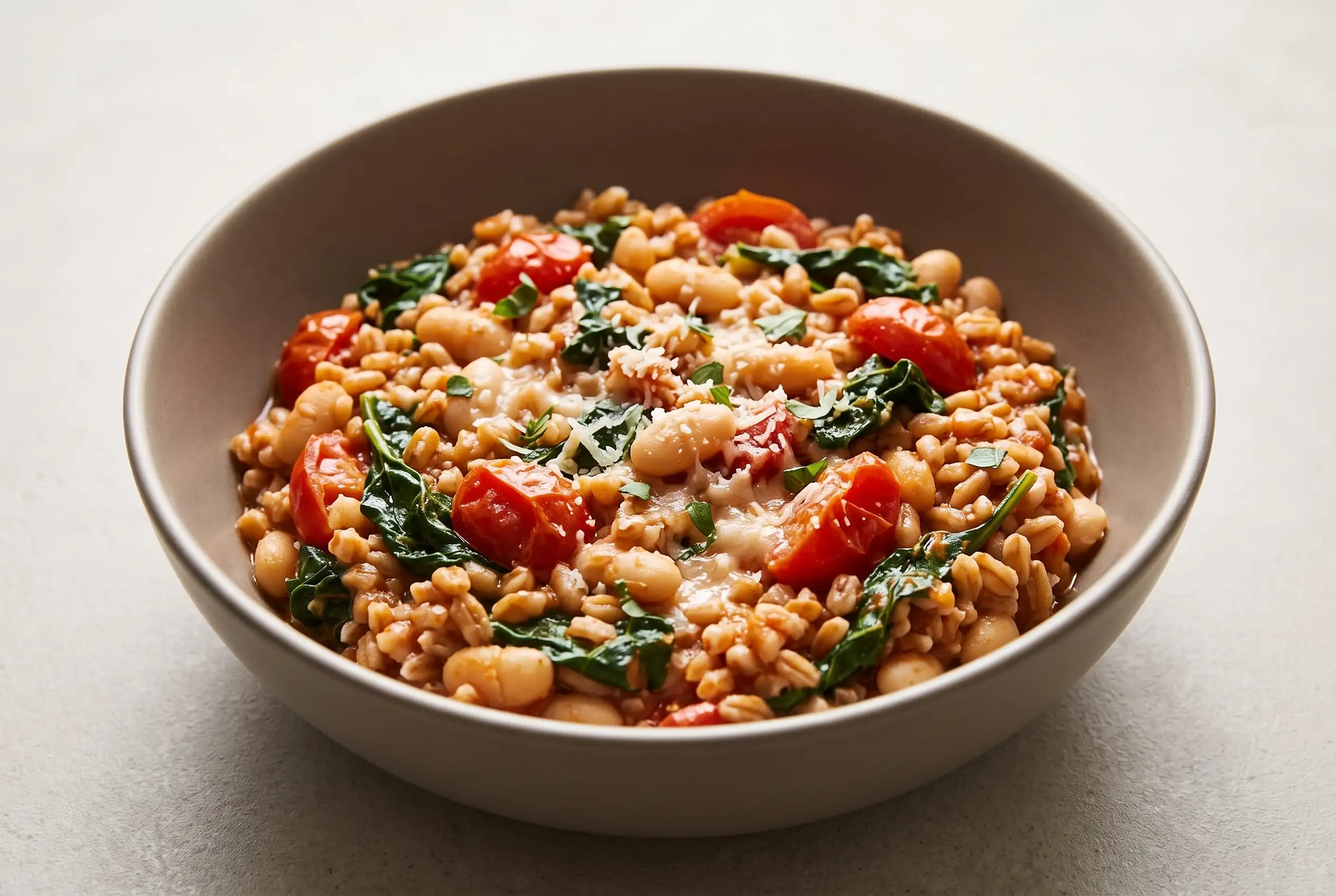
Asiago white beans bring together chewy farro, creamy beans, tender greens, bright tomatoes, and savory cheese in a comforting bowl that balances hearty grains with fresh flavors. The combination creates a satisfying meal built on simple pantry ingredients while still offering layers of texture and richness.
Built around a Mediterranean-inspired mix of staples, this dish shows how farro can transform a simple white bean preparation into something substantial. The grain absorbs broth while the vegetables and cheese create a finished bowl that feels complete without requiring complicated cooking techniques.
Asiago White Beans Create a Balanced Grain Bowl Experience
Texture begins with the contrast between soft white beans and the pleasantly chewy bite of cooked farro. That difference keeps each spoonful interesting, especially when the greens soften and the tomatoes remain bright against the richer ingredients.
Together, the broth-cooked grain and tomato-based elements create a naturally cohesive flavor profile. Asiago or Parmesan cheese melts into the warm mixture, adding a salty, nutty quality that connects the vegetables, beans, and farro.
Unlike heavier grain dishes, asiago white beans maintain freshness through the use of baby kale or spinach and grape tomatoes. The vegetables provide color and balance while allowing the farro to remain the foundation of the meal.
Farro Selection Shapes the Chewy Foundation
Selecting the right farro matters because the grain determines the structure of this farro white bean recipe. Look for uncooked farro in the health foods or dry rice and beans area, then cook it until it becomes tender while keeping its characteristic chewy texture.
Farro is available in different forms, and choosing between whole, semi-pearled, or pearled options can affect how the grain cooks and the final texture of the bowl. Understanding farro grain varieties helps you select a type that matches the preparation time and chewy texture you want.
White Beans With Farro and Kale Gain Depth Through Simple Pairings
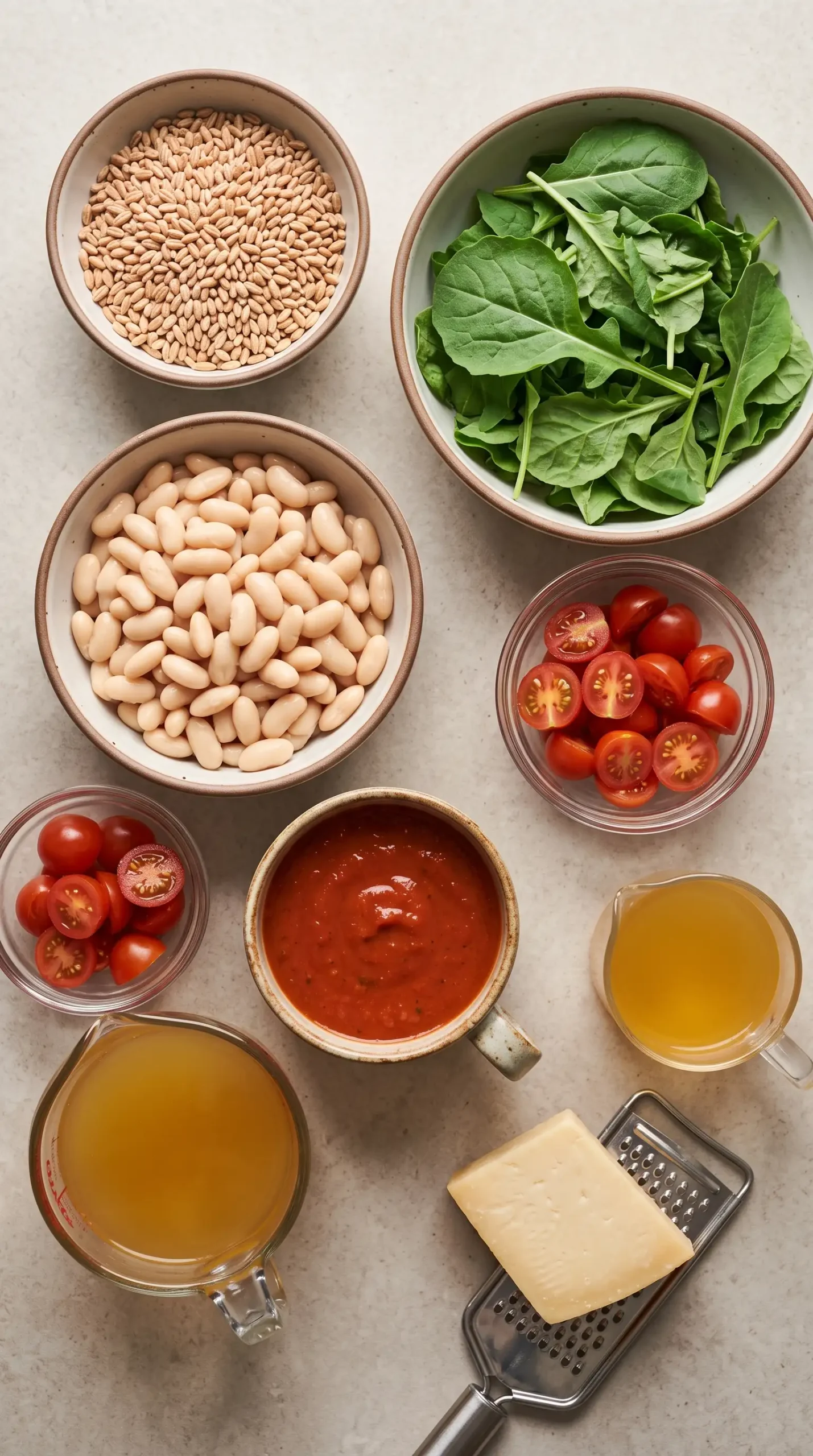
Canned white beans make the dish approachable because they only need rinsing and draining before joining the cooked grain. Their creamy interior blends naturally with the broth-seasoned farro while adding a hearty quality.
Within the bowl, kale or spinach contributes a softer vegetable element that works with the beans instead of competing with them. Baby kale keeps a little more structure, while spinach creates a more delicate texture as it warms.
Another important pairing comes from the grape tomatoes and tomato sauce. The tomatoes introduce small bursts of acidity, while the sauce coats the grains and beans with a familiar savory base. Together, these ingredients create a white bean kale tomato recipe with balanced flavors.
Cooking Control Keeps Farro Tender Without Losing Texture
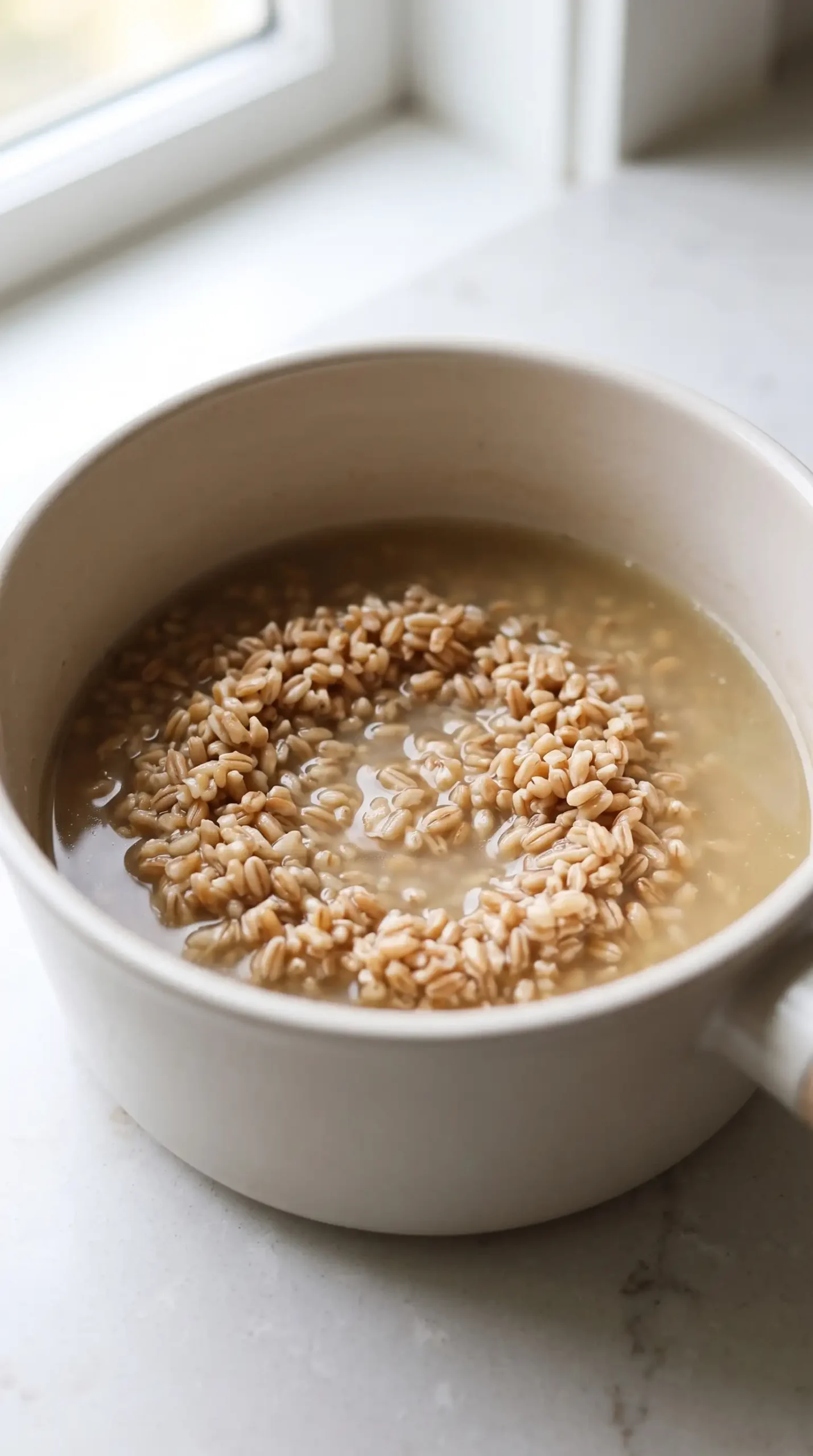
Successful preparation depends on giving farro enough time to absorb the broth and soften. A rice cooker works well because the grain can cook steadily, while stovetop preparation requires following the package timing and checking for a tender, chewy texture before combining the remaining ingredients.
Common Asiago White Beans Mistakes That Affect Texture and Flavor
Several problems can change the finished bowl even when the ingredient combination stays the same. Adding farro before it has fully softened can leave the grain too firm, while rushing the cooking stage prevents it from absorbing the broth properly.
Overcooked vegetables can also reduce the appeal of the dish. Kale and spinach should become tender after being stirred into the warm mixture, but keeping an eye on their texture helps preserve a fresher vegetable character.
Insufficient seasoning is another common issue because farro and beans both benefit from a well-balanced savory base. Taste after combining the ingredients and adjust salt and pepper so the cheese, tomatoes, and broth remain clearly defined.
- Farro texture: Cook until tender with a pleasant chew before combining the remaining ingredients.
- Bean preparation: Rinse canned white beans to remove excess liquid before adding them.
- Cheese timing: Stir Asiago or Parmesan into the warm dish so it blends smoothly.
Tomato Sauce Brings the White Bean Mixture Together
Tomato sauce gives the finished bowl a cohesive texture by surrounding the farro and beans with a savory coating. A basil-flavored tomato sauce can add extra herbal notes while keeping the preparation simple.
Serving Ideas Highlight the Asiago White Beans Combination
Serving this dish warm allows the cheese to soften and the flavors to settle into one another. It works well as a filling lunch or a simple dinner centered around grains, beans, and vegetables.
| Serving approach | Best feature | Useful addition |
|---|---|---|
| Warm bowl | Highlights creamy beans and melted cheese | Fresh herbs or extra seasoning |
| Meal preparation portion | Keeps hearty ingredients ready for later meals | A splash of broth when reheating |
| Side dish serving | Pairs well with simple proteins | A fresh vegetable accompaniment |
Warm bowls benefit from a finishing touch of fresh herbs when available. A small amount of chopped herbs can brighten the savory flavors without changing the character of the dish.
Extra vegetables can also fit naturally when the main balance remains intact. Additions should support the existing combination of grains, beans, tomatoes, greens, and cheese instead of overwhelming the texture.
Storage Practices Preserve the Grain and Vegetable Quality
Storage works best when the cooked mixture is cooled and placed in a covered container. When reheating, adding a small amount of liquid can help restore the soft texture of the farro and keep the beans from feeling dry.
Flexible Variations Keep the Farro White Bean Recipe Fresh
Flexible adjustments can change the personality of the dish while keeping its central structure. Different greens, cheese choices, or broth options can create subtle differences without moving away from the original combination.
A simple variation is choosing spinach in place of baby kale for a softer vegetable texture. Asiago can also be replaced with Parmesan when that is what is available, since both cheeses provide a salty, savory finish.
Additional flavor changes can come from herbs, seasoning adjustments, or the choice between vegetable and chicken broth. These options allow the dish to fit different preferences while maintaining the relationship between farro, beans, and tomatoes.
Kale and Spinach Decisions Change the Vegetable Texture
Leafy greens influence how the bowl feels from the first bite. Baby kale provides more noticeable structure, while spinach blends more quickly into the warm farro and bean mixture.
Farro and Beans Create a Complete Comforting Bowl
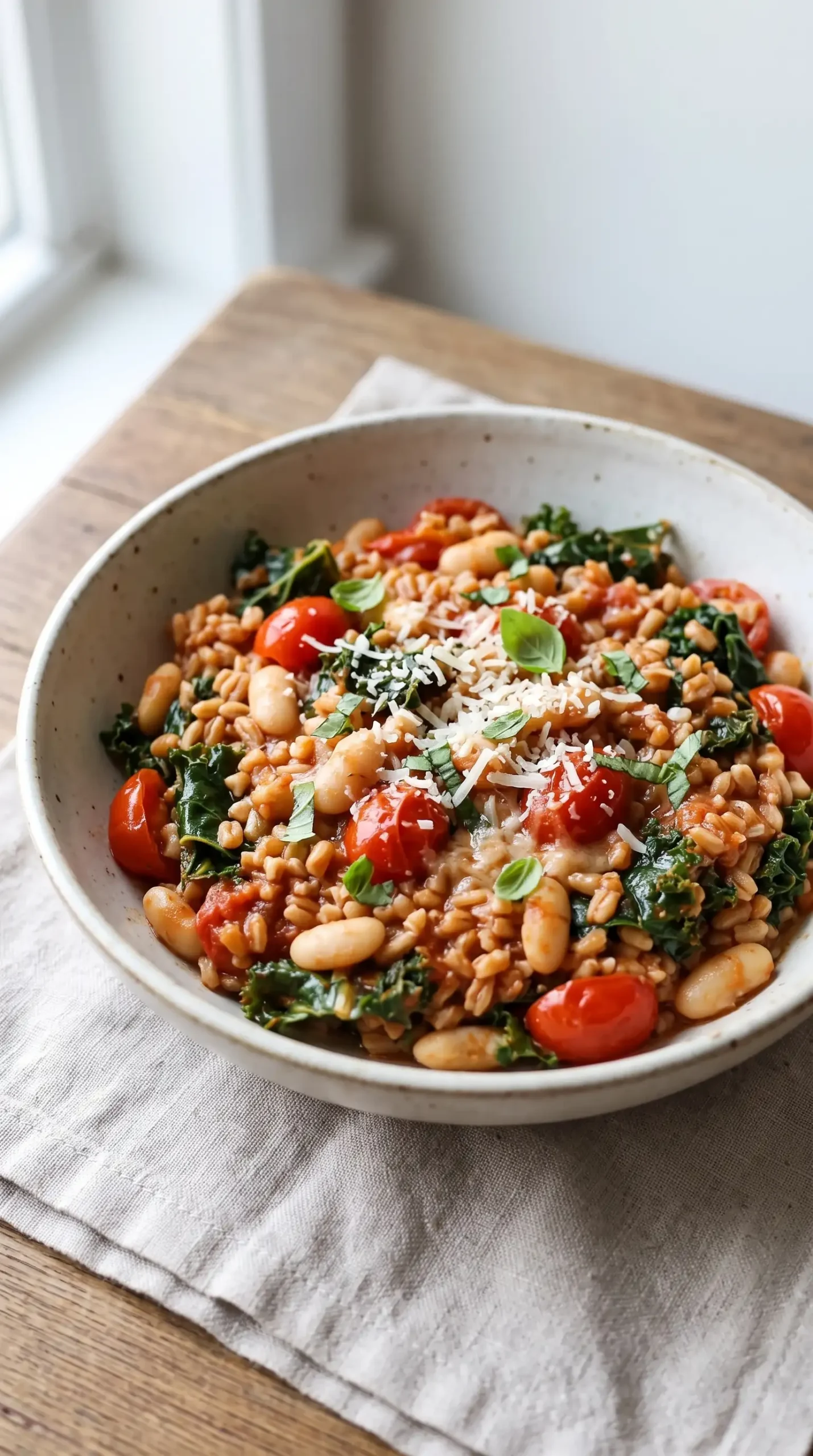
Farro cooked with broth provides the chewy foundation that allows white beans, tomatoes, greens, and Asiago to work together. The combination of grains, beans, and cheese creates a filling vegetarian meal structure, with broccoli cheese rice with brown rice and white beans offering another hearty take on these comforting ingredients. The strongest cooking decision is giving the grain enough time to become tender before adding the ingredients that define the finished texture.
Asiago white beans succeed because each element has a clear role: farro brings substance, beans add creaminess, vegetables provide freshness, and cheese supplies savory depth. The result is a practical meal built from uncomplicated ingredients that still feels thoughtfully balanced.
Asiago White Beans Questions About Storage, Swaps, and Texture
Can farro be soaked before cooking for this dish?
Soaked farro can cook more quickly because the grain has already absorbed water. If you plan ahead, soaking can be useful, but the important factor is still cooking until the farro reaches a tender, chewy texture.
Can spinach replace kale in asiago white beans?
Spinach works well as a substitute because it softens easily and blends into the warm ingredients. The choice changes the vegetable texture, with spinach creating a more delicate result compared with the slightly firmer feel of baby kale.
How can leftover asiago white beans be reheated?
Reheat portions gently and add a little broth or another suitable liquid if the mixture appears thick. This helps loosen the farro and keeps the beans and grains pleasantly moist.
Can chicken be added to this white bean dish?
Cooked chicken can be added if a higher-protein version is desired. Stir shredded or chopped chicken into the warm mixture so it absorbs the tomato and cheese flavors.
What herbs pair well with the tomatoes and cheese?
Fresh herbs that complement tomato and cheese flavors can add brightness at serving time. Add them after cooking so their fresh character remains noticeable.
Asiago White Beans with Farro, Kale, and Tomatoes Meal
Asiago white beans with farro, kale, and tomatoes is a hearty grain bowl with chewy farro, creamy beans, tender greens, and savory cheese flavors. It is a comforting, easy meal made with simple ingredients for a satisfying lunch or dinner.
Ingredients
Method
Cooking
- Add the farro and broth to a rice cooker and start the cooking cycle, or cook them in a small pan on the stove according to the package directions until the farro is soft and chewy.
- Stir the white beans, grape tomatoes, kale, Asiago, and tomato sauce into the cooked farro in the rice cooker or pot.
- Season the mixture with additional salt and pepper as needed and stir until combined.
Notes
Cook the farro until it reaches a tender texture with a pleasant chew before adding the remaining ingredients.