From breakfast to dinner, from wholesome meals to indulgent desserts, Nexa Recipes offers quick, easy, and delicious ideas for every occasion and every moment.



 This Recipe
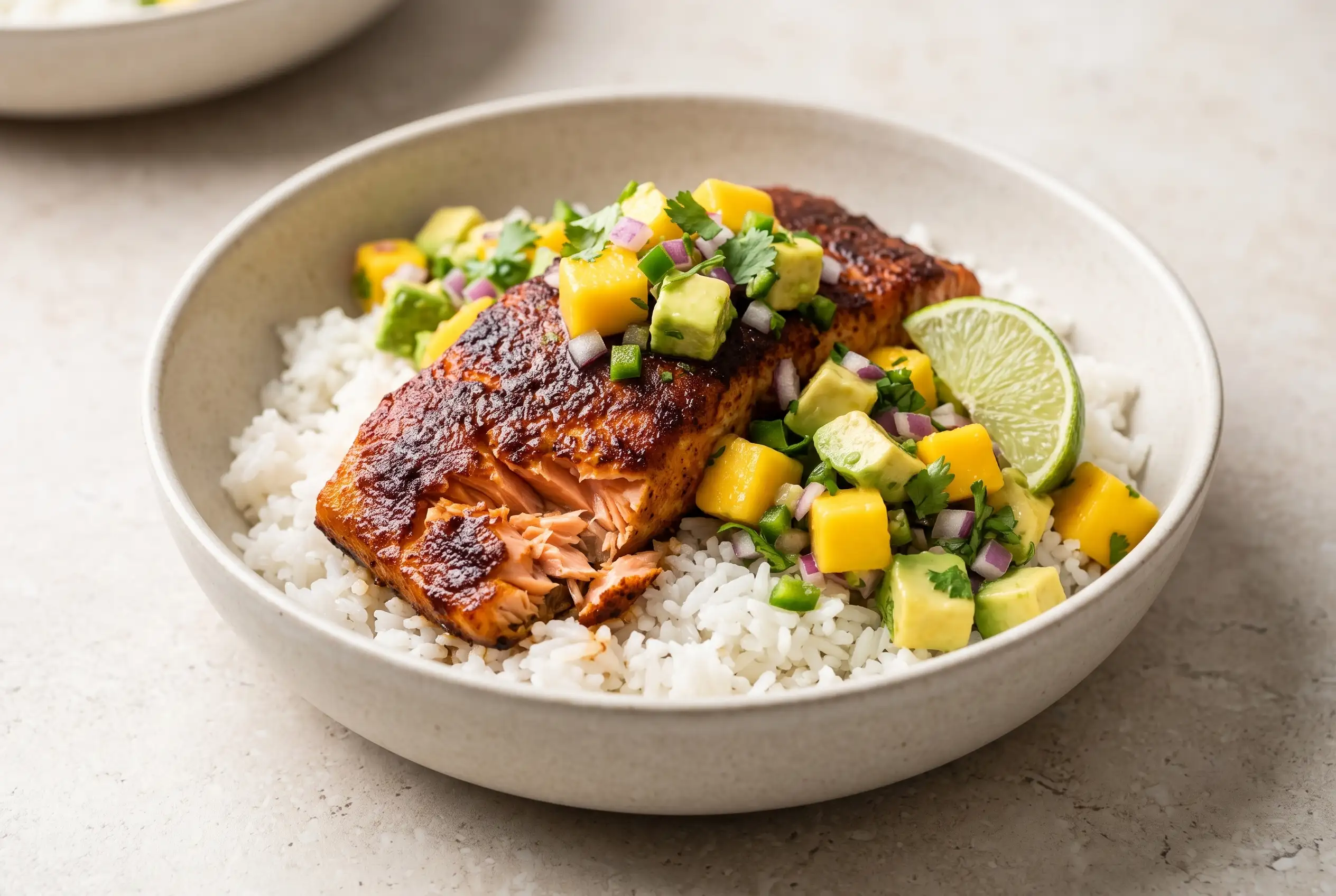
BBQ salmon bowls bring together smoky roasted fish, fluffy rice, and a bright mango avocado salsa for a meal built around contrast. The combination works because the salmon carries deep spice flavors while the fruit-based topping keeps every bite fresh and vibrant.
Created around a simple oven technique, bbq salmon bowls turn a few carefully chosen ingredients into a balanced dinner. The seasoning paste, high oven heat, and colorful salsa each have a specific role in creating a bowl that feels satisfying without becoming heavy.
BBQ Salmon Bowls Bring Smoky Flavor to a Fresh Dinner
Smoky seasoning is the defining feature of these bowls. The salmon receives a coating made from brown sugar, smoked paprika, onion powder, garlic powder, chili powder, salt, and olive oil. The mixture creates a flavorful surface that complements the natural richness of the fish.
Sweet and savory notes work together when the salmon cooks at a high temperature. The brown sugar helps create a deeply flavored exterior, while the spices provide warmth that connects the fish with the fresh salsa layered over the rice.
Unlike heavier salmon preparations, salmon bowls with mango avocado salsa rely on freshness from the topping to create balance. The creamy avocado, juicy mango, herbs, onion, and lime bring brightness that cuts through the seasoned fish.
Mango Avocado Salsa Sets the Bowl’s Fresh Balance
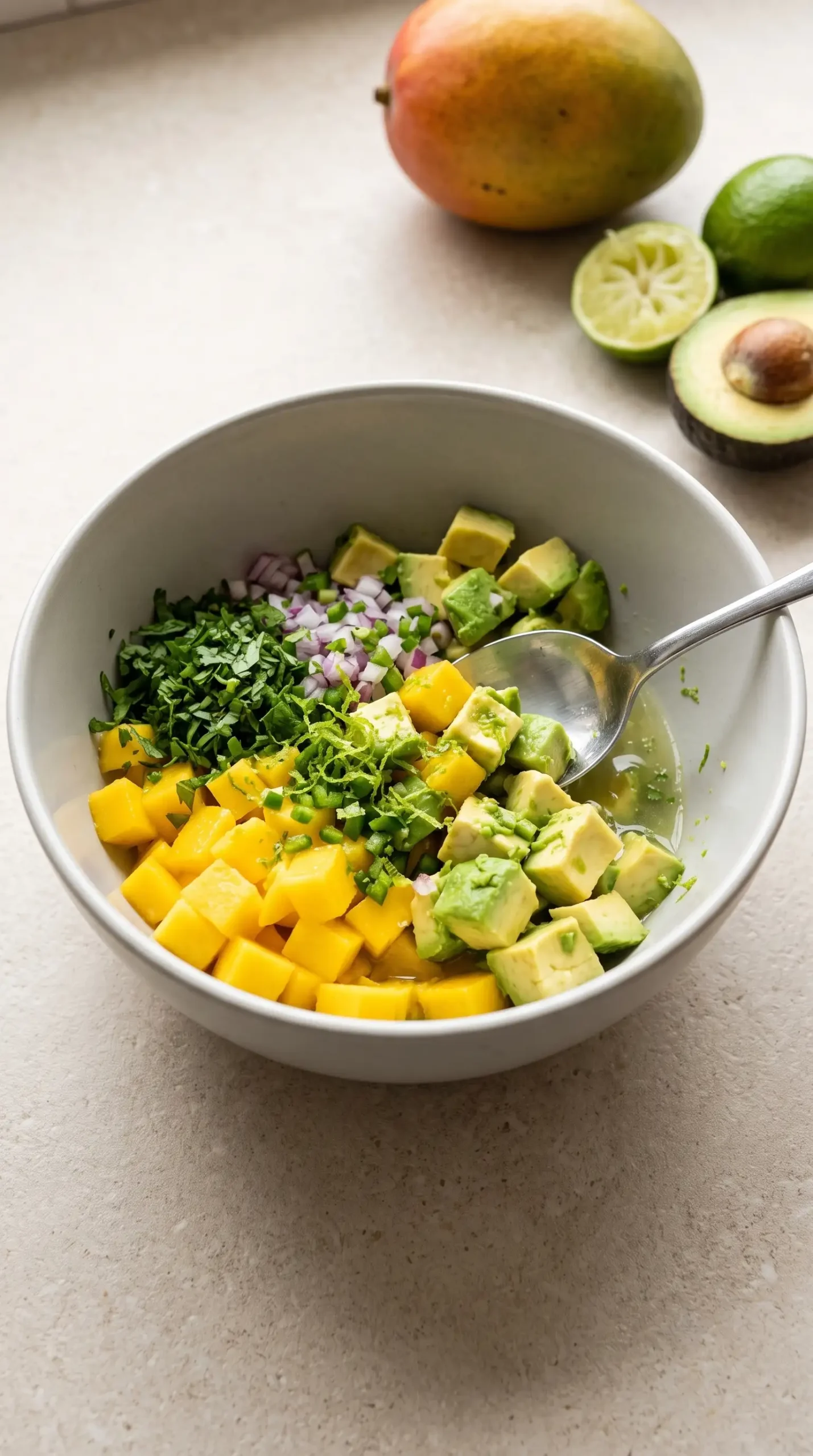
The salsa provides the contrast that makes each serving memorable. Diced mango and avocado are combined with cilantro, red onion, optional jalapeño, honey, lime juice, and lime zest for a topping that combines sweet, tangy, creamy, and crisp elements.
Salmon Choice Shapes the Bowl Texture and Flavor
Fresh salmon is the centerpiece of the bowl, so selecting a suitable piece has a noticeable effect on the finished texture. Choosing the right salmon filet helps create a tender interior while giving the seasoned surface enough time to develop flavor during cooking. A thicker filet gives the oven enough time to develop a seasoned exterior while keeping the interior tender.
Skin-on salmon can be placed skin side down during cooking, allowing the fish to stay stable on the baking sheet. The seasoning paste belongs on the exposed top surface where it can coat the portion that will be served.
Frozen salmon can also work when properly thawed, especially when fresh options are unavailable. Careful drying after thawing helps the seasoning adhere more effectively and supports better browning during cooking.
| Salmon option | Best use | Texture consideration |
|---|---|---|
| Fresh filet | Classic BBQ salmon bowls | Firm, tender flakes with a clean flavor |
| Frozen filet | Convenient weeknight preparation | Needs thawing and surface drying |
| Larger filet | Serving multiple bowls | Requires attention to thickness for even cooking |
Cooking preference also matters when deciding when the salmon is ready. The thickest area should be checked because thinner edges will cook faster than the center.
Rice Provides the Foundation for Layered Servings
Rice creates the base that brings the smoky salmon and colorful salsa together. Its mild flavor allows the seasoned fish and fresh topping to remain the focus while adding a satisfying structure to the bowl.
High Heat Controls the Salmon Crust Without Drying
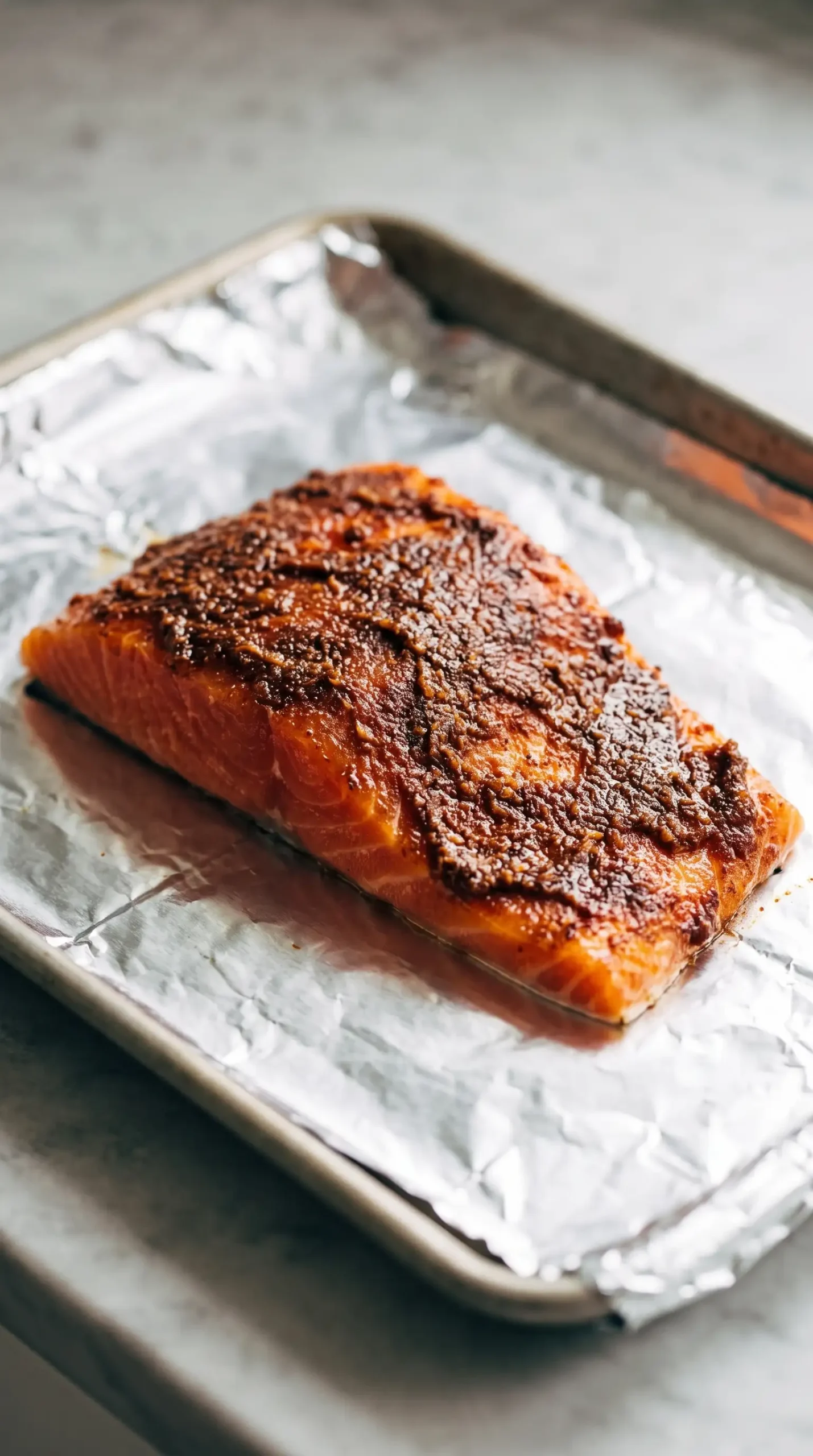
Oven temperature plays an important role in building the texture of bbq salmon recipe with mango salsa. A hot oven encourages the seasoned surface to develop flavor quickly while limiting the time the fish spends exposed to heat.
Thickness determines how quickly salmon cooks, so visual checks are useful. The fish changes from translucent to opaque as it cooks, and the thickest section should be examined for the desired level of doneness.
Broiling can create an especially appealing top layer because the heat source is close to the seasoned surface. The sugar in the coating can darken quickly, so close attention is needed during this approach.
- Surface check: Look for a cooked exterior with seasoning that has darkened without burning.
- Center check: Use the thickest portion to judge whether the texture matches your preference.
- Timing adjustment: Consider filet thickness when deciding when to inspect the salmon.
BBQ Salmon Bowls Avoid These Common Cooking Mistakes
Several small choices can affect the success of bbq salmon bowls. Avoiding these mistakes keeps the salmon tender and helps the fresh toppings maintain their appeal.
Overcooking the salmon is one common issue. Fish that stays in the oven too long can lose moisture, so checking the center before it becomes completely dry helps preserve a pleasant texture.
Another mistake is allowing the sugar in the seasoning to burn. The brown sugar contributes to the barbecue-style flavor, but very close heat requires careful watching because the surface can darken faster than the fish cooks.
Ignoring salsa texture can also change the final bowl. Very soft avocado or roughly prepared mango can make the topping less balanced, so cutting the fruit into pieces that hold their shape improves the eating experience.
Mango Handling Changes the Salsa Experience
Fresh mango offers the brightest flavor for the salsa, but thawed frozen mango can be used when needed. Letting frozen pieces thaw fully before chopping helps create a texture that mixes more naturally with avocado and herbs.
Flexible Additions Expand Salmon Bowl Variations
The bowl format makes it easy to add vegetables without changing the central flavors. Roasted mushrooms, asparagus, or other vegetables can join the rice and salmon to create a more substantial meal.
Extra toppings should support the existing balance of smoky, sweet, and fresh flavors. Vegetables with mild flavors pair well because they allow the seasoned salmon and mango avocado salsa to remain prominent.
An air fryer can also be used for salmon preparation when a different cooking method is preferred. The seasoning style works well with similar salmon techniques while keeping the focus on the same flavor combination.
Serving Choices Keep the Bowl Fresh and Balanced
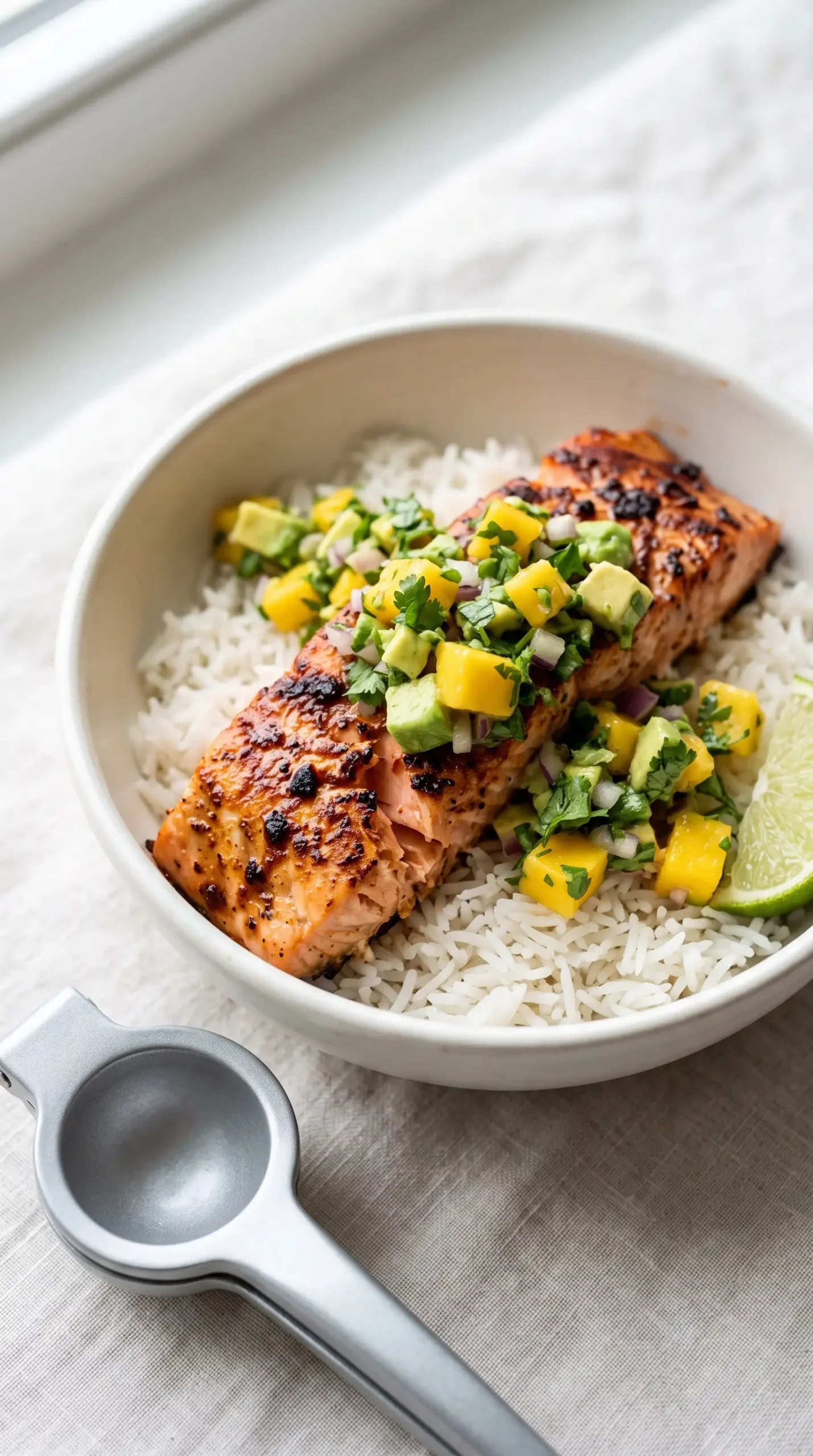
Assembly affects how the textures come together. Placing rice as the base, adding salmon in portions, and spooning salsa across the top creates distinct layers that combine with each bite.
Storage Decisions Protect Cooked Salmon Quality
Cooked salmon and prepared salsa are best handled separately when saving portions. Keeping components apart helps the rice and fish maintain better texture and prevents the fruit topping from becoming watery.
BBQ Salmon Bowls with Mango Avocado Salsa Create a Complete Meal
Salmon develops its best texture when the seasoning, heat, and cooking judgment work together. The smoky coating gives the fish character, while the mango avocado salsa keeps the finished bowl bright and balanced.
The most important decision with bbq salmon bowls is recognizing when the salmon has reached the texture you want. Careful cooking preserves the contrast between tender fish, fluffy rice, and fresh salsa that defines the dish.
BBQ Salmon Bowls Questions About Cooking and Storage
Can I use frozen salmon for these bowls?
Frozen salmon works well when it is thawed completely before seasoning. Patting the surface dry helps the spice mixture coat the fish evenly and supports better roasting results.
How do I know when salmon is cooked?
Salmon is ready when the thickest part changes from translucent to opaque and begins to flake. Checking the center with a knife gives a clearer indication than judging only the outside appearance.
For a more precise endpoint, salmon is considered cooked when the thickest part reaches the 145°F (63°C) internal temperature endpoint.
Can the mango avocado salsa be prepared ahead?
The salsa can be prepared shortly before serving, but avocado is best added close to mealtime for the freshest texture and appearance. Lime juice helps maintain brightness while the ingredients rest together.
What vegetables pair well with salmon bowls?
Roasted vegetables such as mushrooms and asparagus fit naturally with the smoky seasoning. Their savory flavors complement the sweet salsa while adding more variety to the bowl.
How can I make the salmon less spicy?
The chili powder and jalapeño can be reduced or omitted for a milder version. The brown sugar, smoked paprika, garlic, and onion still provide a flavorful barbecue-style profile without extra heat.
Bbq Salmon Bowls with Mango Avocado Salsa for Dinner
BBQ salmon bowls combine tender, flaky salmon with fresh mango avocado salsa and rice for a smoky, vibrant meal. These bowls are a flavorful choice for an easy weeknight dinner with satisfying textures and bright contrast.
Ingredients
Method
Preparation
- Combine the salsa ingredients in a bowl, then taste and adjust the seasoning as needed.
- Prepare the rice according to the package directions.
- Mix the brown sugar, smoked paprika, onion powder, garlic powder, chili powder, kosher salt, and olive oil together to form a seasoning paste.
Cooking
- Preheat the oven to 475°F (246°C). Line a baking sheet with foil.
- Place the salmon skin side down on the prepared baking sheet. Spread the seasoning paste over the top of the salmon.
- Bake the salmon for 6-12 minutes depending on filet thickness and desired doneness.
- For a broiled alternative, set the oven to 500°F (260°C) and position a rack about 6 inches from the top. Watch closely to prevent the sugar coating from burning.
Assembly
- Add rice to bowls, portion the salmon over the rice, and spoon the mango avocado salsa on top.
Notes
To check salmon doneness, look at the thickest part of the fish. It changes from translucent red or raw to opaque pink as it cooks; after 6-8 minutes, check with a sharp knife to see if it is beginning to flake while still slightly translucent in the center. For a fully cooked texture, continue cooking until the salmon has little to no translucency, while avoiding overcooking. A smaller filet around 1-1/2 lbs. works well when you prefer fewer leftovers, while a 2 lb. filet can serve 4-6 people easily with the bowl components. Fresh mango provides the best flavor, but thawed frozen mango chunks can also be used after being softened and chopped into salsa-sized pieces. Additional vegetables such as leftover Korean BBQ style cauliflower, roasted mushrooms, or asparagus can be added if desired. The same spice style can also be used with an air-fried salmon preparation.