From breakfast to dinner, from wholesome meals to indulgent desserts, Nexa Recipes offers quick, easy, and delicious ideas for every occasion and every moment.



 This Recipe
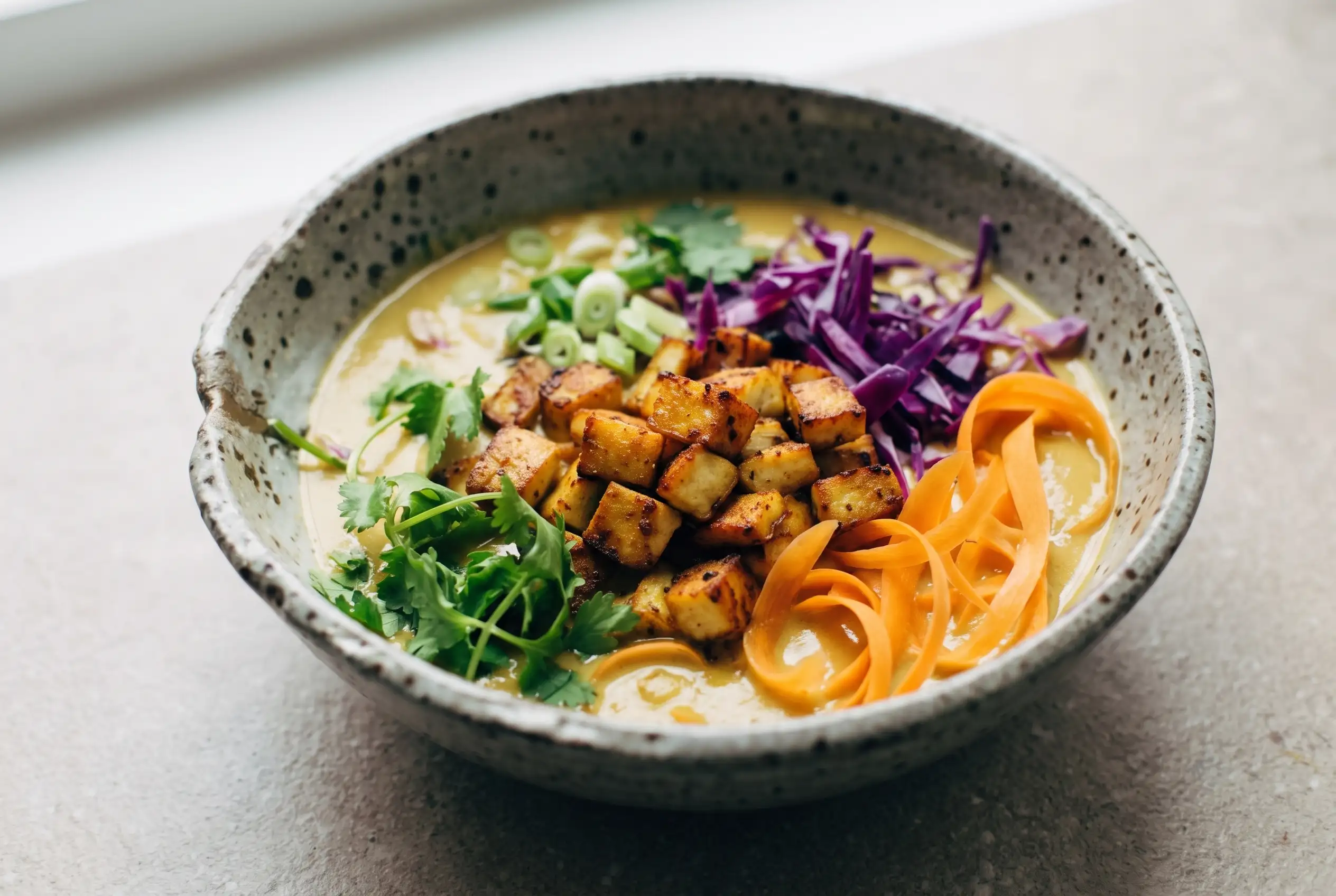
Coconut curry soup turns pantry-friendly ingredients into a silky, deeply flavored bowl built around coconut milk, warming spices, tender potatoes, and crisp golden tofu. The combination works because each cooking choice has a clear purpose: aromatics create a fragrant base, blended potatoes give body, and caramelized tofu brings contrast to the creamy coconut curry soup.
Anything-You-Have Coconut Curry Soup Creates Flexible Comfort From Simple Ingredients
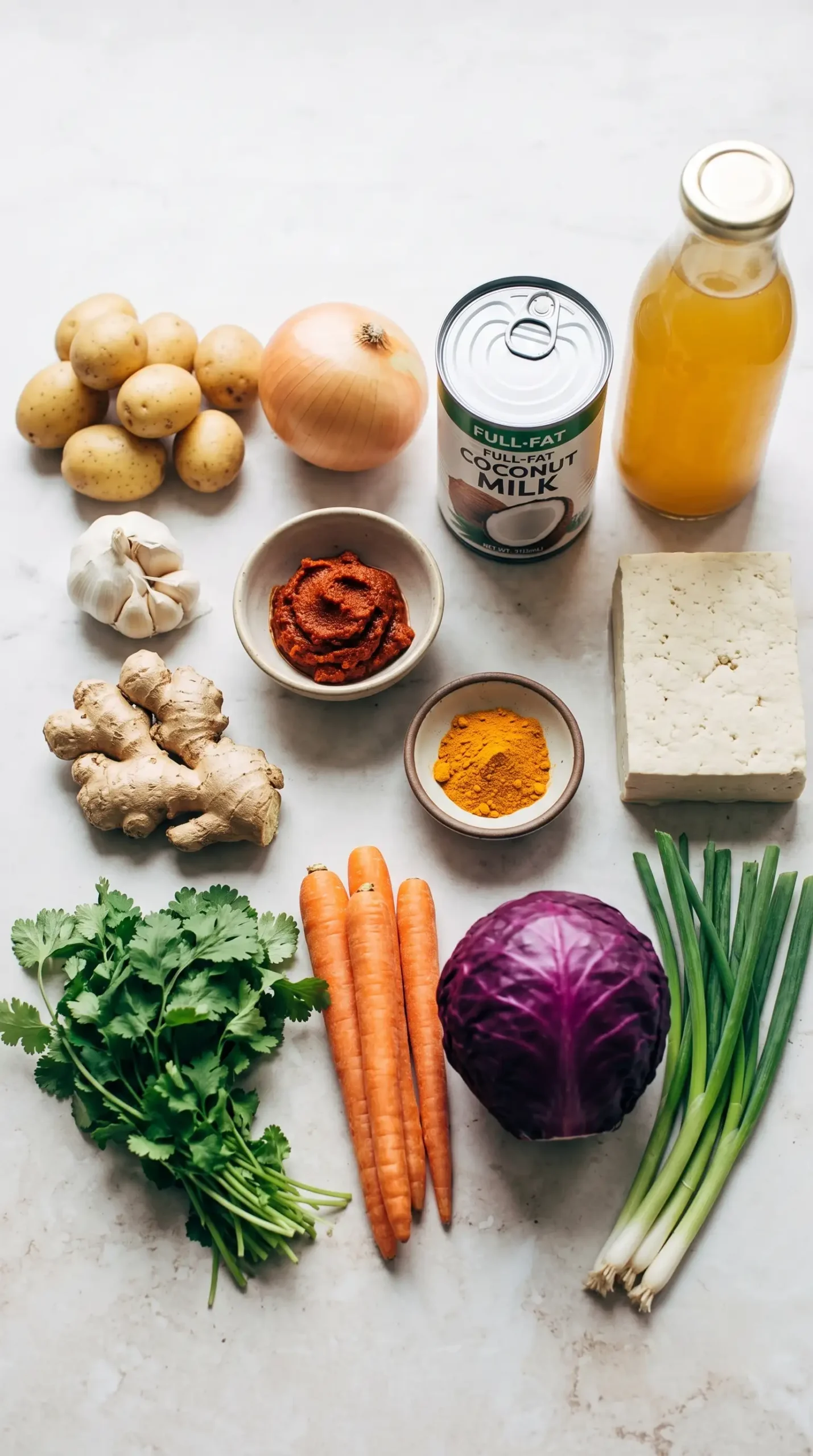
The appeal of this coconut curry soup comes from its ability to welcome whatever fresh vegetables are available. The smooth soup base provides a rich foundation, while colorful toppings create freshness, crunch, and variety at the table.
Unlike a soup that depends on a long list of specialty items, this version uses a small group of ingredients that can adapt easily. Different vegetables can change the finished bowl while keeping the creamy texture and curry character intact.
Baby Potatoes Build the Silky Body Inside Coconut Curry Soup
Potatoes play a structural role beyond adding substance. When simmered with coconut milk and broth, they soften enough to blend into a thick puree that naturally coats the spoon.
The small potato pieces are especially useful because they cook evenly and blend smoothly. Keeping the puree thick at first also makes it easier to adjust the consistency later with additional liquid.
| Base choice | Texture result | Best adjustment |
|---|---|---|
| Baby Yukon potatoes | Silky blended soup | Add broth if very thick |
| Sweet potatoes | Slightly sweeter puree | Balance with curry seasoning |
| Carrots or eggplant | Different vegetable character | Blend until smooth |
Coconut Milk Curry Soup Gains Depth From Spice Balance
The combination of coconut milk, red curry paste, turmeric, salt, and sugar creates the signature flavor profile. The spices need a short time in the pot with the aromatics so their flavors become integrated before the liquid is added.
Regular or light coconut milk can both work well. A richer coconut milk creates a more indulgent coconut milk curry soup, while lighter versions allow the curry seasoning and vegetable toppings to stand out more clearly.
The small amount of sugar helps round out the savory and spicy notes. Adjustments should focus on balance instead of adding sweetness as a dominant flavor.
Tofu Coconut Curry Soup Gets Contrast From Golden Crispy Pieces

Tofu changes the eating experience by adding a browned, savory element against the smooth soup. pressing out excess moisture helps the tofu develop a better surface during cooking.
The tofu becomes especially flavorful when a small amount of the pureed soup is added during browning. The liquid creates sizzling contact while helping the exterior develop a deeper color and richer taste.
Fresh Vegetable Toppings Keep Each Bowl Bright and Customizable
The topping options make each serving feel different without changing the core soup. Crisp vegetables, herbs, and thinly sliced additions create a fresh contrast to the creamy base.
- Herb choices: cilantro, basil, or green onions add fresh aroma.
- Crunchy vegetables: cabbage, carrots, bean sprouts, and snap peas create texture.
- Warm additions: mushrooms, broccoli, zucchini, or spinach blend naturally with the curry flavors.
Blending Coconut Curry Soup Requires Texture Decisions
The blended stage determines whether the soup feels light and smooth or heavy and dense. Allowing the cooked vegetables to soften fully before blending helps create a more even texture.
A blender produces the silkiest result, but careful handling matters because hot liquids expand during blending. Working with slightly cooled soup and blending in manageable amounts helps keep the process controlled.
Gentle Cooking Controls Protect the Flavor of Curry Soup
The most important cooking control happens early with the aromatics. Garlic, onion, and ginger should become fragrant without taking on dark color, since browning can shift the flavor away from the intended curry profile.
Another key choice is adding the curry paste and turmeric before the liquids. Briefly stirring the seasonings with the aromatics helps distribute their flavor throughout the soup.
During simmering, the potatoes should become tender enough to blend smoothly. Rushing this stage can leave the finished puree less cohesive.
Common Coconut Curry Soup Mistakes That Affect the Finished Bowl
Several small choices can change the result of coconut curry soup. Avoiding these issues helps preserve the creamy texture and balanced flavor.
- Burning the garlic: Keep the heat moderate and stir often so the aromatics stay fragrant instead of bitter.
- Skipping tofu pressing: Excess moisture can prevent tofu pieces from developing a golden exterior.
- Making the puree too thin: Start with a thick blend and loosen it gradually until the texture feels right.
- Overloading toppings: Choose combinations that complement curry flavors instead of hiding the soup.
Creamy Coconut Curry Soup Texture Depends on the Right Finish
A creamy coconut curry soup should feel rich while still allowing the toppings and tofu to remain noticeable. The puree creates the foundation, but the finishing touches provide the contrast that keeps each spoonful interesting.
Adding liquid gradually after blending gives better control over the final consistency. A thicker texture works well for a hearty bowl, while a looser texture makes the soup easier to pair with extra vegetables.
Vegetable Swaps Give Coconut Curry Soup New Directions
The core method supports several ingredient changes without losing its identity. Sweet potatoes, carrots, or eggplant can replace the potatoes, and green curry paste can replace red curry paste for a different flavor direction. A vegetable-based curry such as coconut curry with vegetables can use coconut milk and hearty ingredients to create a satisfying meal while keeping the focus on balanced spices and plant-based components.
Vegetable choices should consider how they behave when cooked and blended. Softer vegetables contribute to a smooth base, while fresh toppings are best when they add texture and contrast.
Serving Ideas Highlight the Soup’s Creamy and Crisp Elements
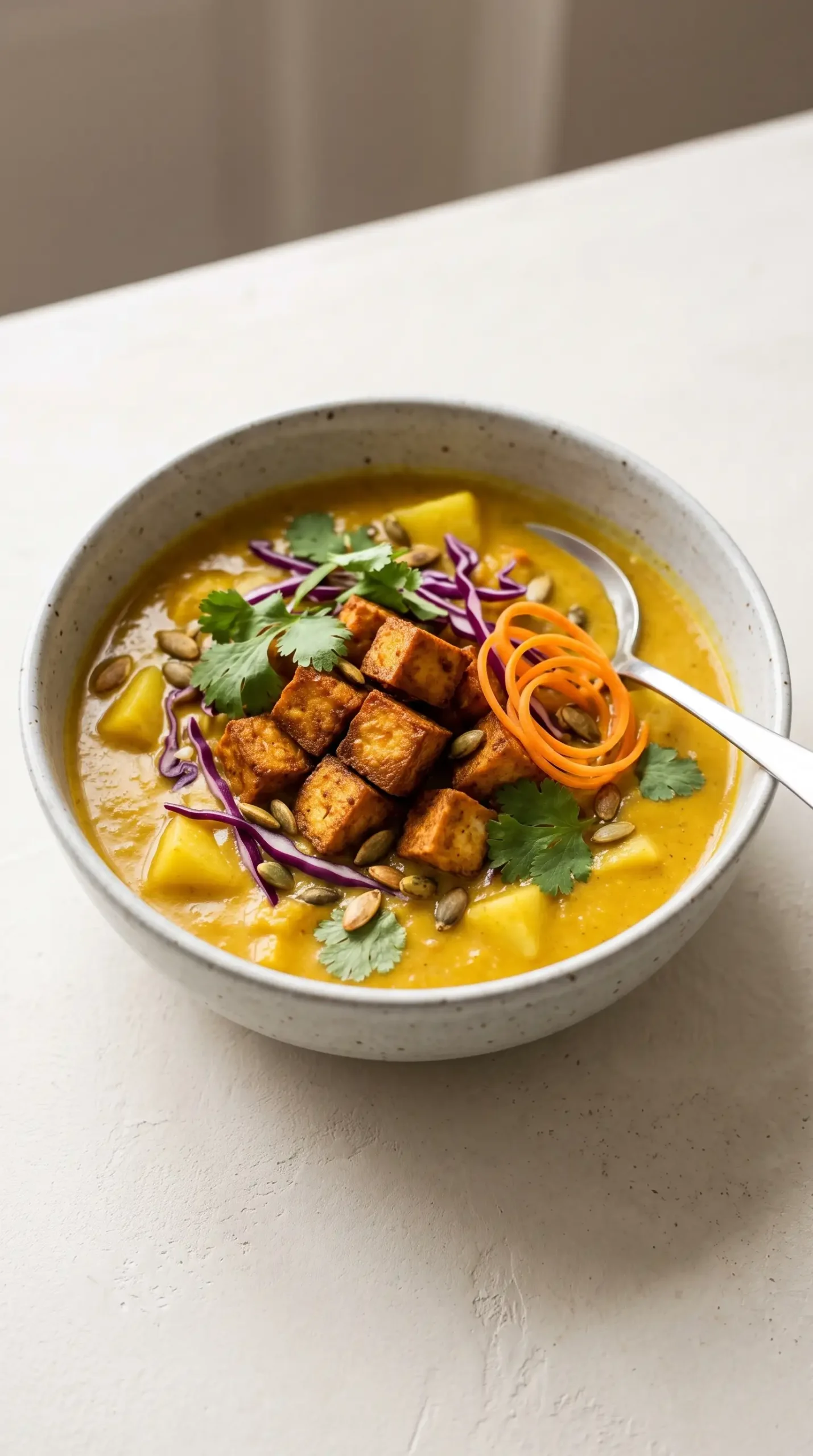
The best way to serve coconut curry soup is to keep the creamy base and toppings distinct. Crispy tofu should remain visible, and fresh vegetables should be added close to serving so their texture stays lively.
Storage Choices Help Preserve Curry Soup Quality
After cooling, the soup can be stored carefully and reheated gently. Keeping toppings separate helps maintain their freshness, while tofu is best refreshed with additional heating to restore some texture.
Coconut Curry Soup Becomes Complete Through Texture Balance
The smooth puree, aromatic curry base, fresh vegetables, and golden tofu create a bowl where every element has a purpose. Coconut curry soup succeeds when the creamy center stays balanced with toppings that provide color, freshness, and bite.
Coconut Curry Soup Questions About Texture and Flavor
How can I make coconut curry soup thicker?
A thicker texture comes from blending the softened potatoes until smooth and keeping the puree concentrated before adding extra broth or water. Add liquid gradually so the soup does not become thinner than desired.
Can I use different vegetables in coconut curry soup?
Yes, vegetables such as sweet potatoes, carrots, eggplant, broccoli, spinach, or zucchini can fit the flavors. Choose blended vegetables for the base and crisp options for toppings to maintain variety.
Why does my tofu not become crispy?
Tofu usually browns better when excess moisture has been removed before cooking. Pressing the tofu and allowing the pieces to develop color in the pan helps create a firmer exterior.
What makes this soup taste less balanced?
The curry flavor depends on the relationship between spice, coconut richness, salt, and sweetness. Adjusting those elements gradually can help restore balance if one flavor becomes too strong.
Coconut Curry Soup with Potatoes and Golden Tofu Toppings
Coconut curry soup is a creamy, comforting bowl with a silky potato-based texture, rich curry flavor, crispy golden tofu, and fresh toppings. It is a satisfying recipe for an easy homemade meal with plenty of texture and flavor.
Ingredients
Method
Preparation
- Press the tofu to remove excess moisture using a tofu press or another pressing method while preparing the soup.
- Heat the oil in a large pot over medium heat. Add the onion, garlic, and ginger, then cook for a few minutes until fragrant while keeping the garlic from browning.
- Stir in the red curry paste, turmeric, salt, and sugar, and cook briefly to combine the seasonings with the aromatics.
- Add the potatoes, coconut milk, and vegetable broth. Simmer until the potatoes are tender.
Blending
- Let the soup cool slightly, then transfer it to a blender and puree until smooth and silky.
- Adjust the consistency with additional water or broth as needed until the soup reaches a thick texture that coats the back of a spoon.
Topping
- Remove the tofu from the press and cut it into small pieces.
- Heat a small amount of oil in the same pot and cook the tofu pieces until they become light golden brown.
- Add a small amount of the pureed soup to the tofu and continue cooking until the tofu develops a deep golden color and crisp exterior.
- Remove the tofu from heat.
Serving
- Top each serving of soup with fresh vegetable toppings and crispy caramelized tofu.
Notes
Topping options include green onions, cilantro, basil, red or green cabbage, asparagus, baby kale, carrots, zucchini shreds, bell peppers, mushrooms, spinach, broccoli, snap peas, and bean sprouts. Regular or light coconut milk can be used; nutrition information is based on light coconut milk. Potatoes can be replaced with sweet potatoes, carrots, or eggplant, and green curry paste can be used instead of red curry paste.