From breakfast to dinner, from wholesome meals to indulgent desserts, Nexa Recipes offers quick, easy, and delicious ideas for every occasion and every moment.



 This Recipe
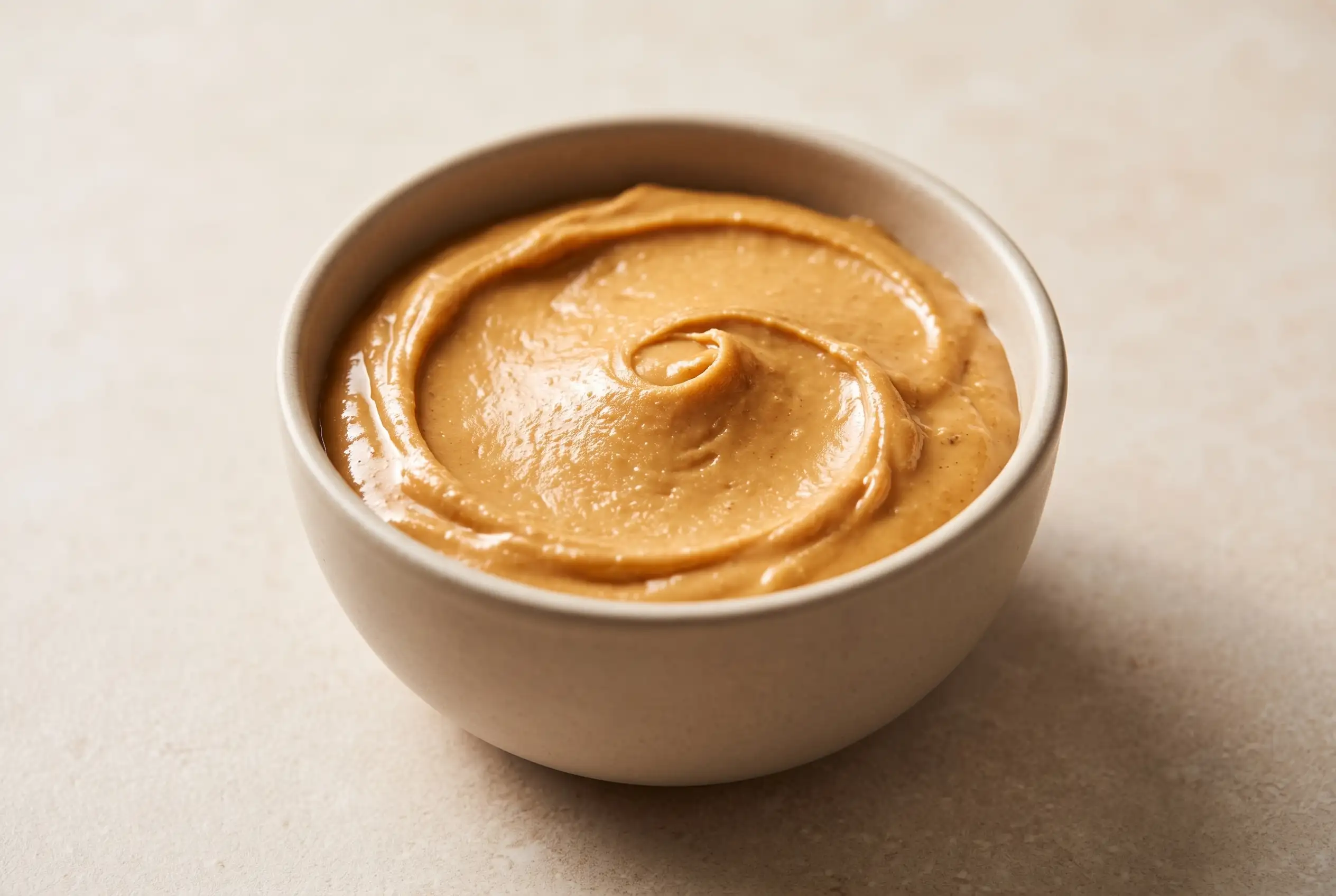
Homemade peanut butter brings the flavor of roasted peanuts into a smooth spread using a simple process that transforms a pantry staple into something fresh and customizable. The appeal comes from watching dry roasted peanuts change from small pieces into a creamy texture with only a few additions. A 5 minute homemade peanut butter approach works because the food processor does most of the work while allowing control over sweetness and salt.
Creating a smooth spread at home depends on understanding the texture changes that happen during blending. The peanuts move through recognizable stages, and noticing those stages helps prevent stopping too early. An easy homemade peanut butter recipe becomes more predictable when the cook understands what is happening inside the bowl.
Homemade peanut butter starts with simple texture control
Texture decisions shape the entire experience of homemade peanut butter. Dry roasted peanuts begin with a firm structure, but continuous processing breaks them down into smaller pieces before their natural oils create a softer mixture. The transformation is the defining feature of this preparation.
Many store-bought spreads have a consistent texture, while a homemade version allows the maker to decide when the mixture feels right. Some people prefer a very smooth result, while others may stop processing sooner for a thicker feel. The important choice comes from observing the blend instead of relying only on the clock.
- Early stage: The peanuts appear crumbly as they break into smaller pieces.
- Middle stage: The mixture can gather into a dry-looking ball before becoming smoother.
- Finished stage: The peanut butter reaches a creamy consistency that can be stirred with added sweetness and salt.
Roasted peanuts define the character of homemade peanut butter
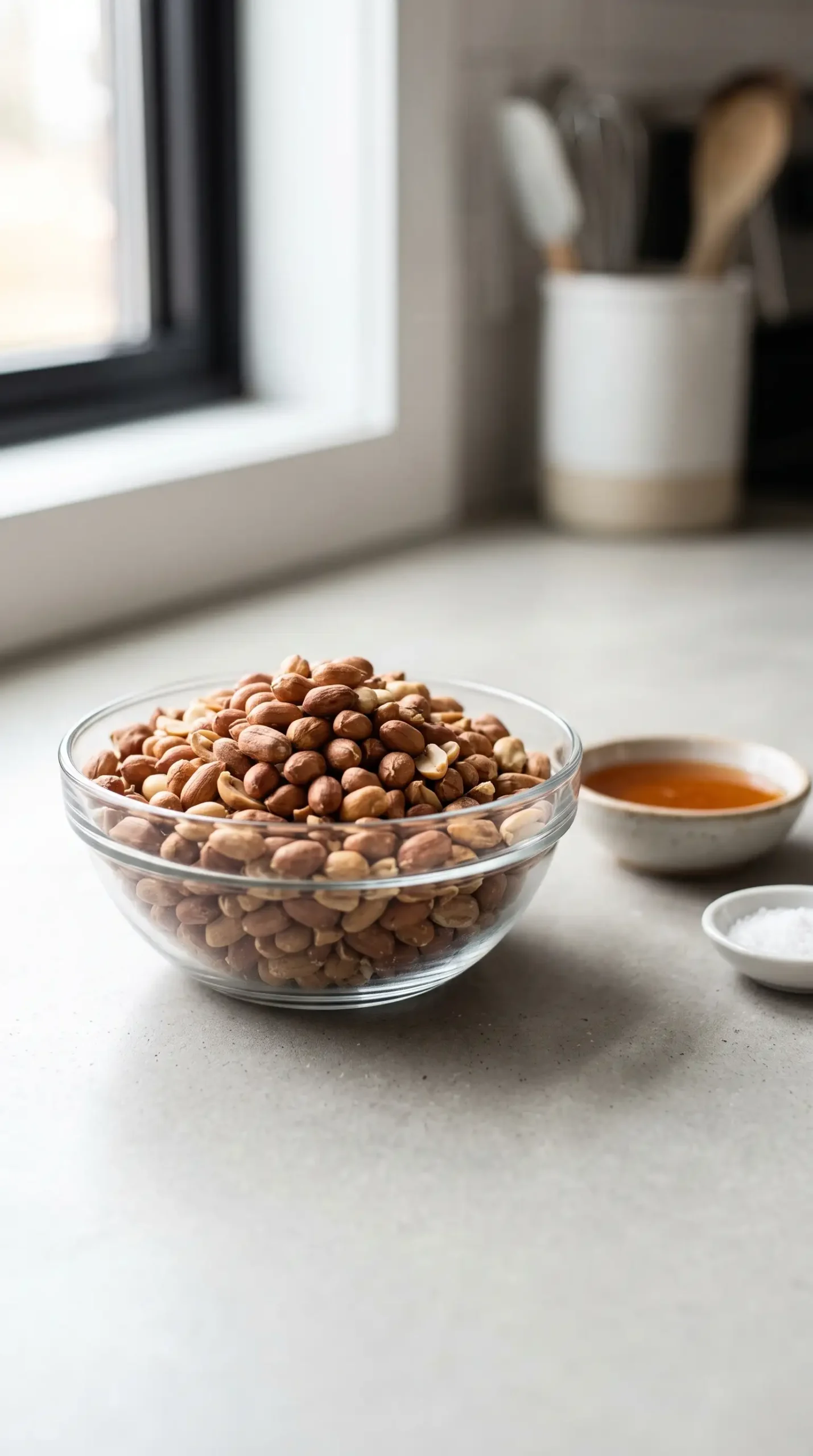
Roasted peanuts provide the foundation for the flavor and texture of this spread. Their prepared state means the recipe begins with a peanut that already has a developed taste, allowing the food processor to focus on changing the form instead of creating a new flavor profile.
The smooth texture develops because the process changes more than the size of the pieces. grinding roasted peanuts releases their naturally occurring oils, helping the mixture move toward the creamy consistency expected from peanut butter.
Choosing dry roasted peanuts keeps the recipe aligned with its simple ingredient approach. The nuts are the main structure of the finished spread, so their quality has a noticeable effect on the result. Peanut butter with roasted peanuts highlights how one primary ingredient can create a complete food with minimal additions.
Food processor control creates smooth peanut butter consistency
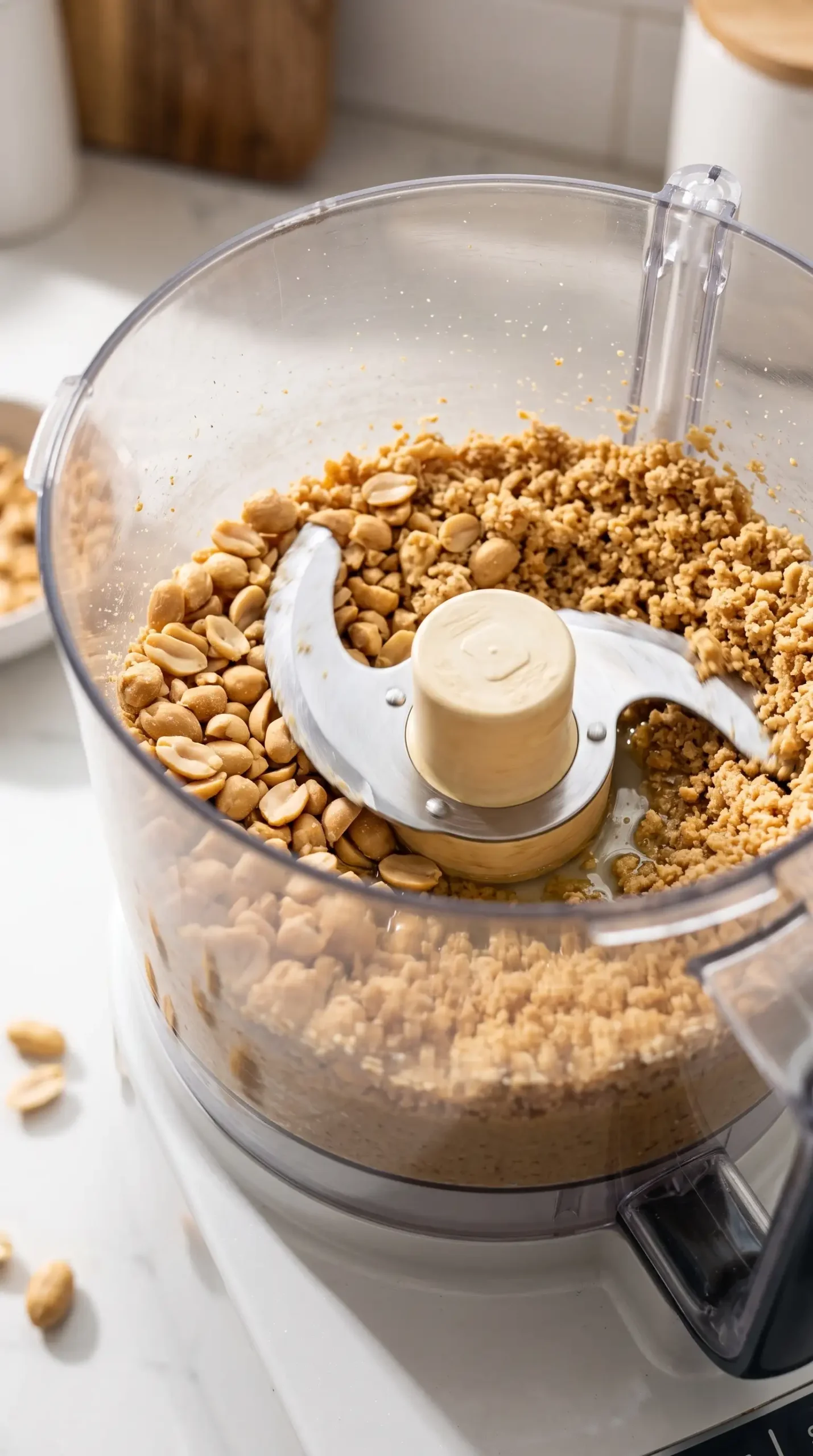
Processing time matters because the food processor needs enough continuous movement to change the peanuts from crumbs into a creamy mixture. Watching the texture during blending gives more useful information than stopping after only a brief pulse.
Careful attention also helps avoid unnecessary interruptions. The machine works through several texture stages, and each stage shows progress toward the smooth finish expected from homemade peanut butter. Keeping the process steady allows the natural oils from the peanuts to combine throughout the mixture.
Practical adjustments can make the experience easier:
- Watch appearance: Look for the shift from dry pieces to a smoother spread.
- Check movement: Notice when the mixture changes from loose crumbs into a more unified texture.
- Finish gently: Add honey or sugar and extra salt after the peanut base reaches the desired consistency.
Honey choices adjust homemade peanut butter sweetness
Sweetener selection changes the personality of homemade peanut butter without replacing its peanut character. Honey creates one option for adding sweetness, while sugar provides another simple way to adjust the taste.
Balanced sweetness depends on personal preference because roasted peanuts naturally bring their own flavor. Starting with a smaller amount allows the spread to remain centered on the peanuts while still providing the desired level of sweetness.
Storage decisions protect homemade peanut butter quality
Storage affects how the spread fits into everyday use after preparation. Homemade peanut butter can be kept in the refrigerator or at room temperature when it will be used quickly enough.
Refrigeration can be useful for people who want a longer-lasting storage approach, while room temperature storage may be convenient when the spread is used frequently. The best choice depends on how often the jar is opened and how quickly it is enjoyed.
| Storage choice | Best fit | Texture consideration |
|---|---|---|
| Refrigerator | Longer keeping needs | May create a firmer spread |
| Room temperature | Frequent use | Keeps the spread ready for easier spreading |
| Covered container | Either location | Helps keep the peanut butter contained between uses |
Common homemade peanut butter mistakes come from texture choices
Common mistakes with homemade peanut butter usually happen when the texture changes are misunderstood. Stopping too soon can leave the mixture at an earlier stage, while adding sweetener before the peanut base is ready can make it harder to judge the finished consistency.
Another issue comes from expecting every batch to look identical immediately. The peanuts move through several appearances during processing, so a crumbly or dry-looking moment does not always mean the process has failed.
Potential problems and solutions include:
- Crumbly mixture: Continue processing because the peanuts may still be moving through their natural stages.
- Unsure sweetness: Add honey or sugar gradually so the flavor can be adjusted.
- Heavy salt flavor: Use additional salt carefully because the amount is based on taste preference.
Small changes create useful peanut butter variations
Small adjustments allow homemade peanut butter to match different preferences while keeping the same basic preparation. The recipe already provides flexibility through optional sweetener choices and adjustable salt.
Simple variation ideas should focus on changes supported by the ingredients. Different sweetener amounts can shift the flavor balance, and salt adjustments can make the peanut taste more noticeable or more subtle.
Serving ideas bring homemade peanut butter into everyday meals
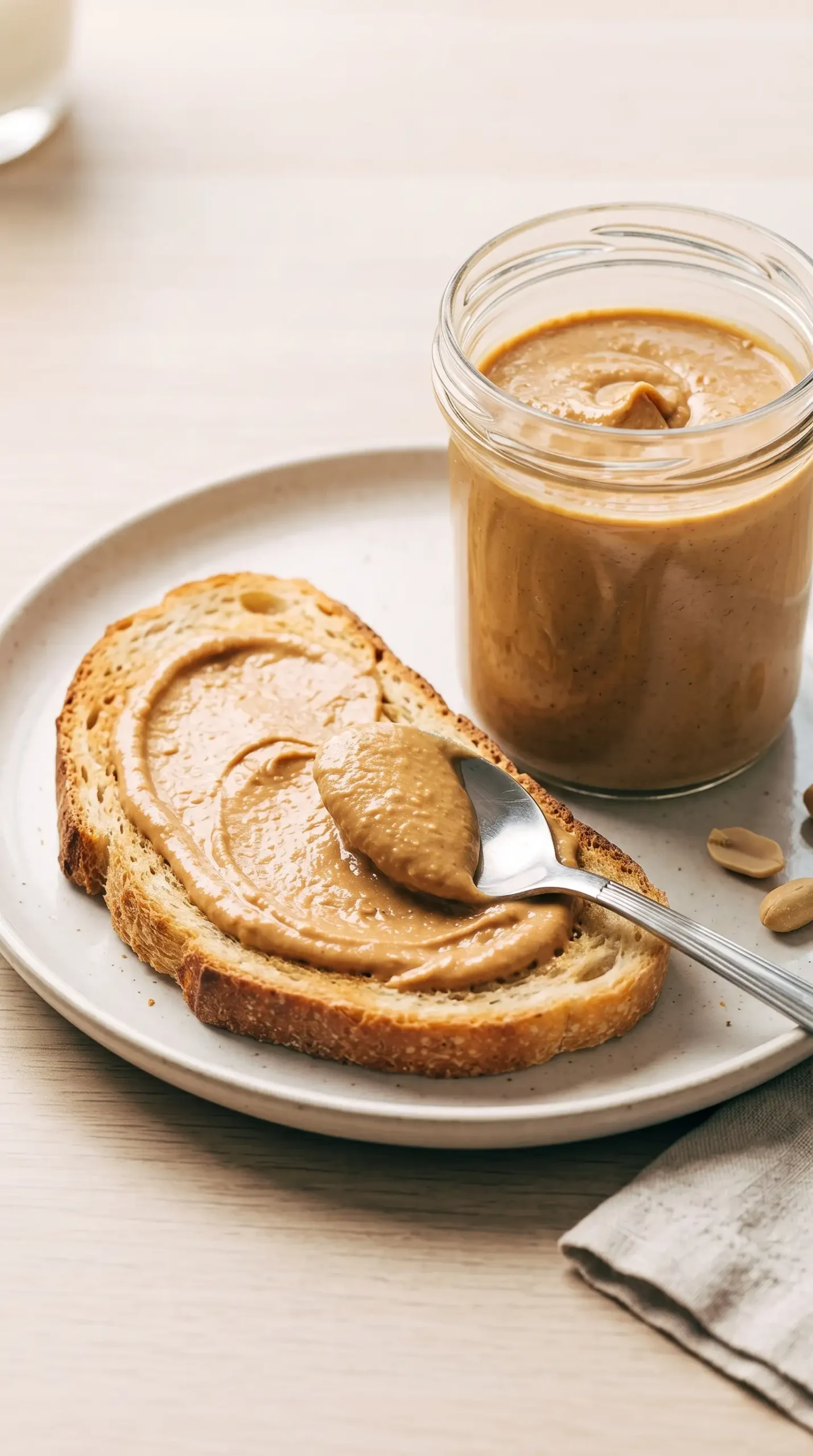
Serving homemade peanut butter is where the creamy texture becomes most useful. The spread can be added to toast, fruit, or baked treats such as peanut butter chocolate chip cookies, where its roasted flavor and smooth consistency become part of the finished dessert.
Breakfast foods, snacks, or simple spreads can all benefit from a homemade version because the texture can be tailored during preparation. The finished jar provides a flexible option without requiring extra ingredients beyond those already used.
Comparing peanut butter styles clarifies texture preferences
Different peanut butter styles can help explain why homemade preparation appeals to many cooks. The main differences often come from texture, sweetness, and how much control the maker has over the finished spread.
| Style | Texture control | Flavor adjustment |
|---|---|---|
| Homemade version | Controlled during processing | Sweetness and salt can be adjusted |
| Prepared smooth spread | Usually set before purchase | Flavor is generally fixed |
| Prepared textured spread | Contains a predetermined peanut texture | Added adjustments are limited |
Salt additions balance peanut butter flavor carefully
Salt has a small but important role in shaping the finished spread. Because the recipe allows additional salt according to taste, each batch can be adjusted based on personal preference.
Flavor balance comes from avoiding unnecessary additions while still giving the roasted peanuts enough contrast. A careful approach keeps the natural peanut flavor noticeable instead of allowing seasoning to dominate.
Kitchen preparation habits improve homemade peanut butter results
Kitchen habits can make the preparation smoother even when the ingredient list stays simple. Having the food processor ready and making decisions based on texture helps the process feel more controlled.
Consistent observation is especially useful for beginners because the peanuts provide visible clues as they change. Learning those signs makes an easy homemade peanut butter recipe easier to repeat with confidence.
Creamy peanut butter texture comes from patient processing
Creamy peanut butter develops through gradual texture changes inside the food processor. Dry roasted peanuts first break apart, then move toward a smoother mixture as processing continues. Recognizing this transformation is the key cooking judgment behind a successful batch.
Homemade peanut butter rewards attention to appearance, sweetness, and seasoning choices. When the cook allows the peanuts to reach the right consistency before making final adjustments, the result is a spread that reflects the simple ingredients used to create it.
Homemade peanut butter questions about storage and texture
Can homemade peanut butter be stored at room temperature?
Room temperature storage can work when the spread will be used quickly enough. Refrigeration is another option for people who prefer keeping it chilled between uses.
Why does peanut butter become a dry ball during processing?
The dry ball stage is part of the natural change that happens as peanuts move from crumbs toward a smoother consistency. Continued processing helps the mixture develop into a creamy spread.
Can honey and sugar be used differently?
Both honey and sugar can provide sweetness, so the choice depends on the flavor preference of the person preparing the spread. Adjusting the amount allows control over how sweet the peanut butter becomes.
What peanuts work best for this homemade spread?
Dry roasted peanuts are the ingredient specified for this preparation because they provide the starting flavor and structure needed for the finished peanut butter.
How can the texture be made smoother?
A smoother texture comes from allowing enough processing time for the peanut pieces to pass through each stage. Watching the mixture helps determine when it has reached the preferred consistency.
Homemade Peanut Butter 5 Minute with Dry Roasted Peanuts
Homemade peanut butter is a quick, creamy spread made with a rich roasted peanut flavor and customizable sweetness. It is an easy recipe for creating a fresh homemade staple with a smooth texture.
Ingredients
Method
Preparation
- Add the peanuts to a food processor and process continuously for 4-5 minutes, allowing the mixture to progress from crumbs to a dry ball and then into a smooth, creamy peanut butter consistency.
- Mix in the honey and any additional salt according to taste preferences.
Notes
Continue processing the peanuts through each texture stage until the mixture reaches a smooth and creamy consistency.