From breakfast to dinner, from wholesome meals to indulgent desserts, Nexa Recipes offers quick, easy, and delicious ideas for every occasion and every moment.



 This Recipe
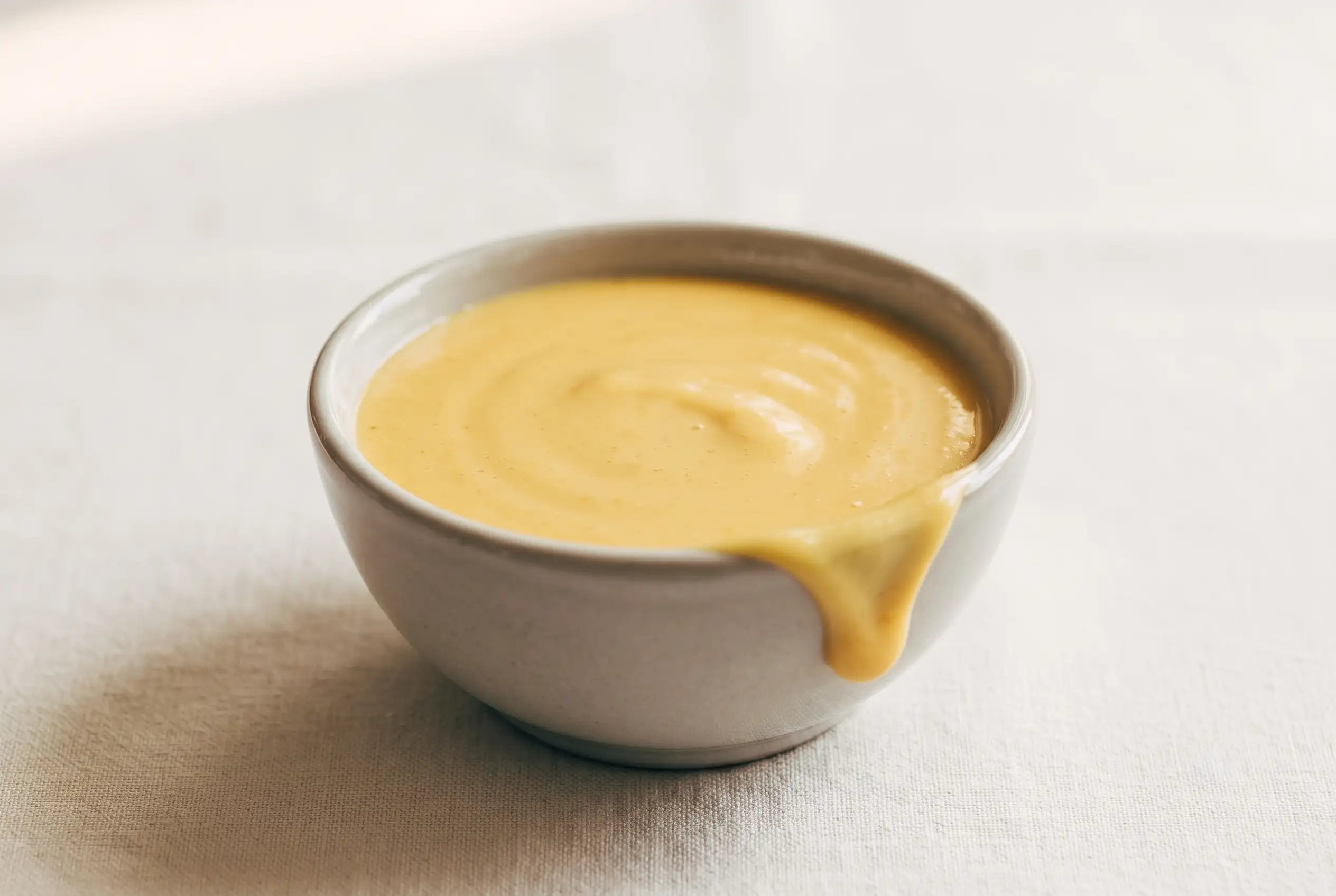
Honey mustard sauce brings together sweet honey, creamy mayonnaise, sharp Dijon mustard, and a touch of acidity in a quick condiment that works across snacks, meals, and dipping options. The appeal comes from the way these simple ingredients create a smooth mixture with enough contrast to stay interesting. A well-balanced blend can add brightness to familiar foods without requiring complicated preparation.
Honey Mustard Sauce Balances Sweetness and Tang
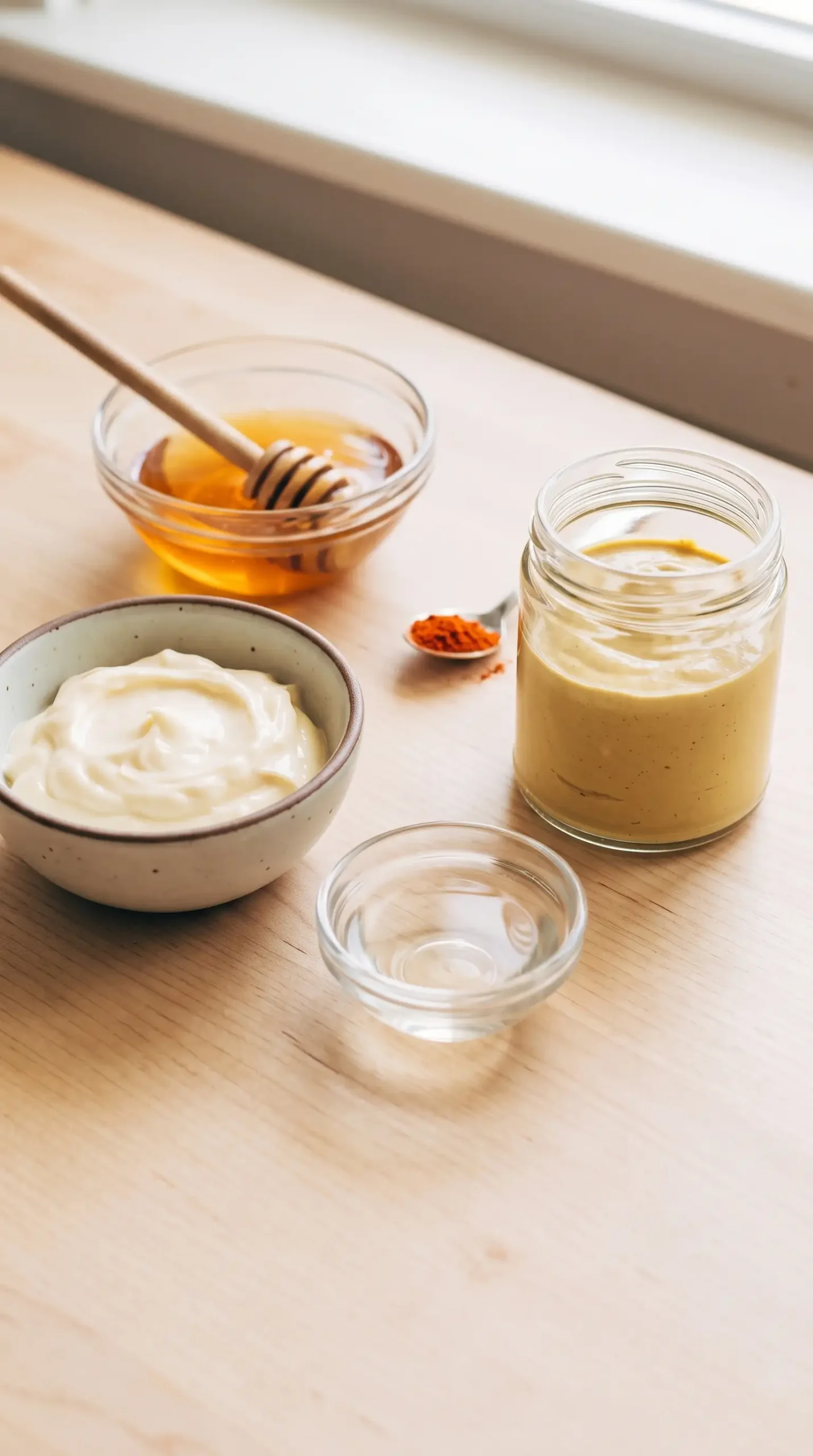
A simple combination of sweet and savory flavors makes honey mustard sauce useful in many everyday situations. Honey provides the familiar sweetness, while Dijon mustard brings a sharper character that keeps the sauce from becoming one-dimensional. Mayonnaise helps connect those flavors into a creamy consistency that spreads and drizzles easily.
Why Dijon Choice Shapes Honey Mustard Sauce Flavor
Flavor balance begins with the mustard selection because Dijon mustard defines much of the sauce’s personality. Its smooth texture blends easily with the other ingredients, creating a polished finish that works well for dipping and spreading.
Dijon mustard is a smooth prepared mustard made with mustard seeds, vinegar, and seasonings that create its characteristic sharp flavor.
Dijon also creates a contrast with honey that gives the sauce its recognizable character. The sweetness softens the mustard’s sharpness, while the mustard keeps the honey from making the mixture taste overly sweet.
Ingredient choices can slightly change the finished result without changing the identity of the sauce. Whole-grain mustard can be used when a more textured version is preferred, adding visible mustard seeds and a different mouthfeel.
Honey and Mayonnaise Create the Sauce Foundation
Creamy mayonnaise provides the body that allows the other flavors to come together smoothly. Instead of creating separate sweet and tangy notes, the mayonnaise helps form a unified sauce that coats foods evenly.
Sweet notes from honey are especially noticeable because the sauce does not rely on many competing flavors. The small amount of cayenne pepper remains optional, allowing the mixture to stay mild or gain a gentle warmth depending on preference.
Simple ingredients can still create a distinctive condiment when their proportions support each other. The relationship between sweetness, creaminess, acidity, and spice is what makes this homemade honey mustard sauce feel complete.
Small Adjustments Refine Homemade Honey Mustard Sauce
Careful adjustments can personalize homemade honey mustard sauce while keeping the original balance intact. A slightly different mustard choice or vinegar option can change the texture and flavor direction without requiring a new approach.
- More texture: Choose whole-grain mustard when a less uniform sauce is preferred.
- Different acidity: Use white wine vinegar or apple cider vinegar as alternatives to white distilled vinegar.
- Extra warmth: Add cayenne pepper according to the preferred level of heat.
Whisking Technique Keeps the Texture Smooth
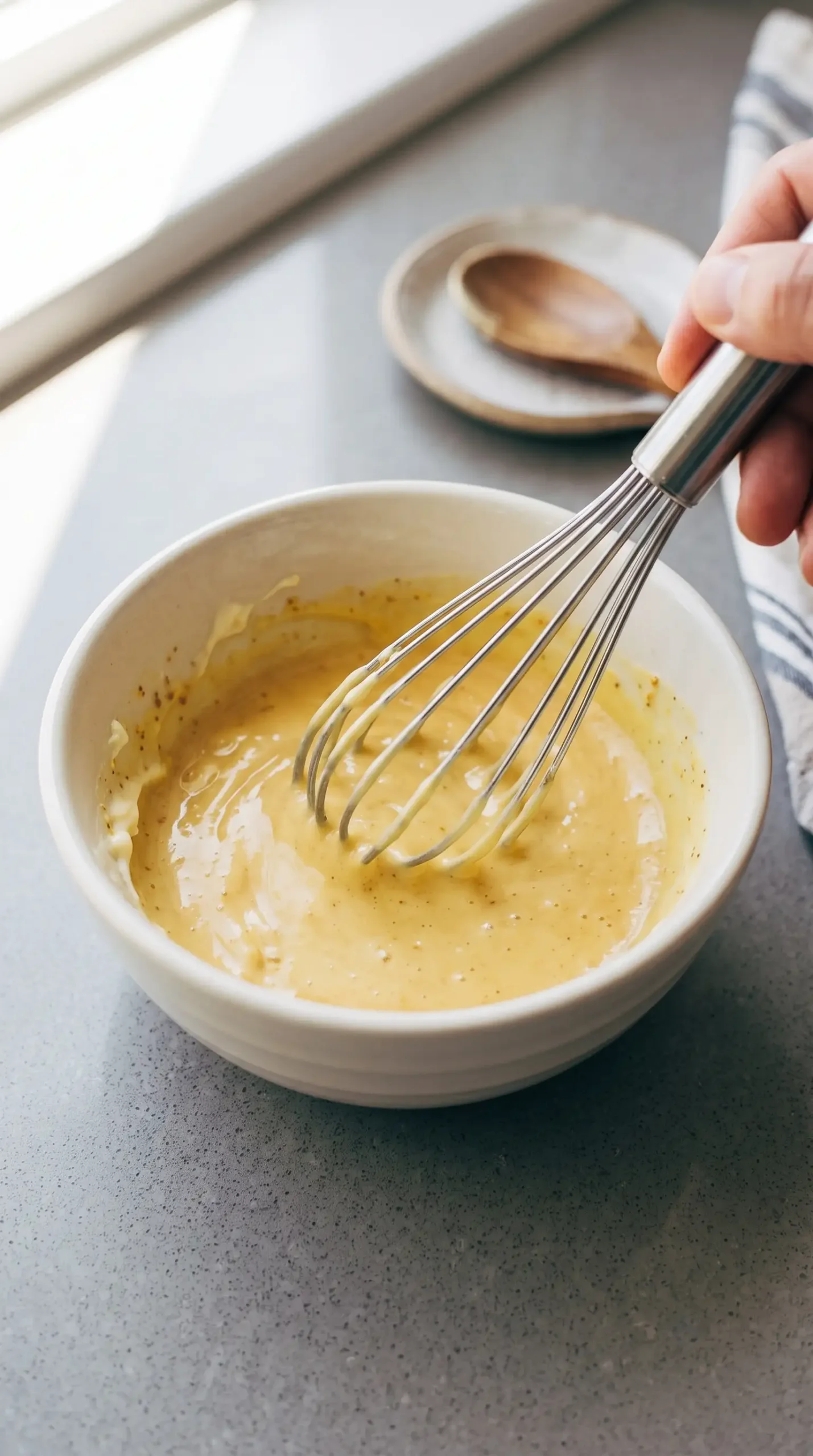
Careful whisking is the main control point during preparation because the ingredients need to become one smooth mixture. A thorough blend helps the honey, mayonnaise, mustard, vinegar, and cayenne distribute evenly.
Smooth blending also affects how the sauce performs when served. A consistent texture makes it easier to dollop, drizzle, or use as a dip without separate pockets of flavor.
Small dish preparation works well for this condiment because the ingredients come together quickly. The short mixing process focuses attention on achieving the right texture instead of adding unnecessary steps.
Honey Mustard Sauce Mistakes That Affect the Finish
Common mistakes with honey mustard sauce usually come from overlooking balance or texture during mixing. The most noticeable problems happen when one flavor becomes too dominant or the mixture does not reach a smooth consistency.
One frequent issue is creating a sauce that tastes too sweet because the mustard and vinegar do not provide enough contrast. Keeping the acidic element included helps maintain the bright flavor that makes the condiment useful.
Another possible problem is choosing a mustard style without considering the desired texture. Whole-grain mustard adds a different feel, so it is important to select it intentionally when a textured sauce is wanted.
Serving Ideas Expand Easy Honey Mustard Dipping Sauce Uses
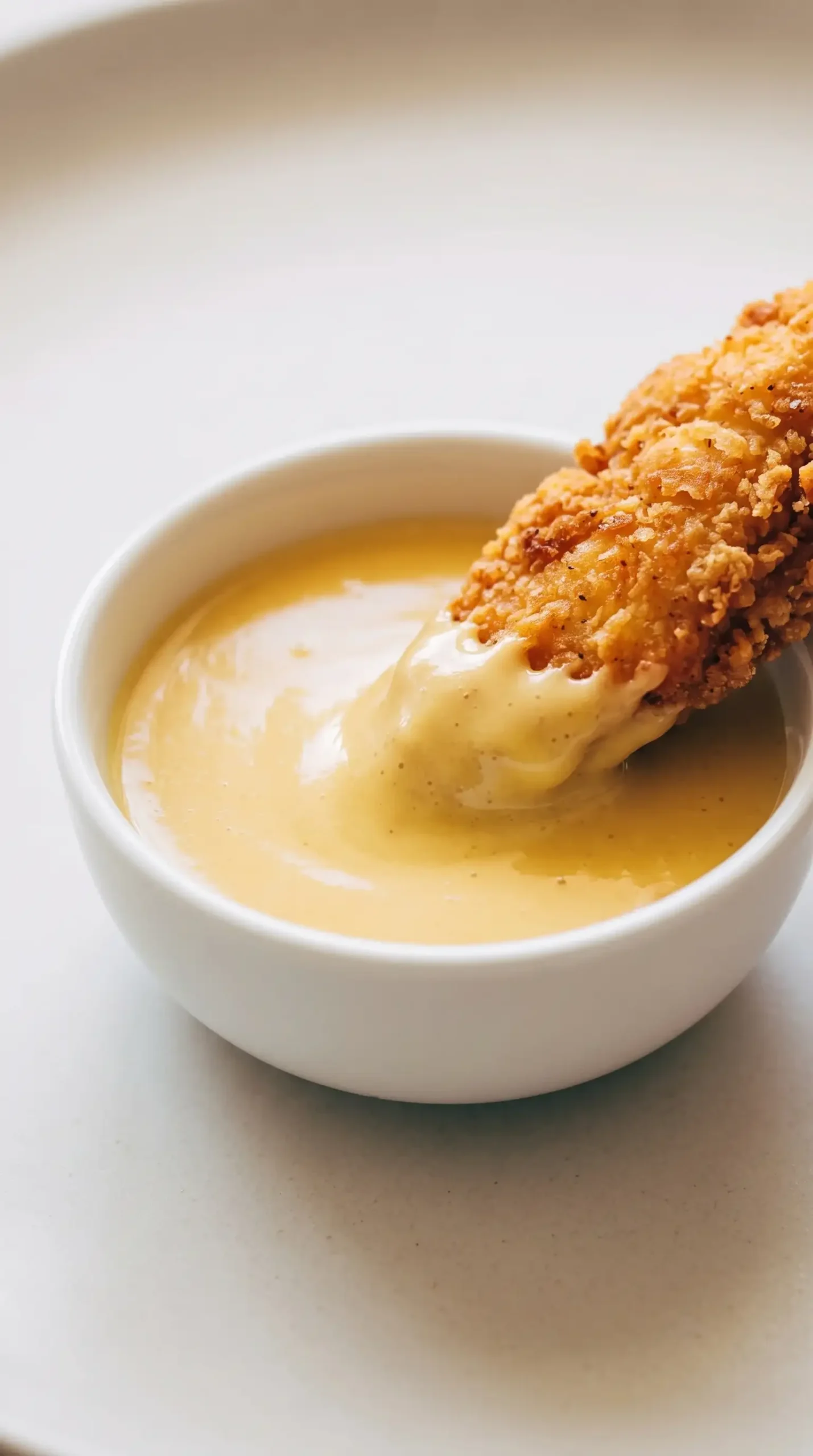
Serving options make easy honey mustard dipping sauce a flexible addition to many foods. The creamy texture allows it to move between dipping, drizzling, and spreading depending on the meal.
For dipping, the sauce pairs naturally with foods that benefit from a sweet and tangy contrast. It can add extra flavor where a creamy condiment is useful without requiring additional preparation.
For spreading, the smooth consistency makes it easy to add a flavorful layer to sandwiches or other simple combinations. The balance of honey and mustard keeps the sauce recognizable even when paired with other ingredients.
| Use | Texture Benefit | Flavor Effect |
|---|---|---|
| Dipping | Creamy coating | Sweet and tangy contrast |
| Drizzling | Smooth flow | Bright finishing flavor |
| Spreading | Easy coverage | Balanced condiment layer |
Cayenne Changes the Flavor Direction Without Overpowering Sweetness
Cayenne pepper introduces optional heat that can shift the sauce from purely sweet and tangy toward a warmer flavor profile. Because the amount is small, it can be adjusted according to the desired intensity.
Heat levels remain flexible because the base flavors are strong enough to stand on their own. A mild version highlights honey and mustard, while a spicier version adds more contrast.
Vinegar Swaps Keep Honey Mustard Sauce Balanced
Acid choices influence how lively honey mustard sauce tastes after the ingredients are combined. White distilled vinegar provides the listed approach, while other vinegar options can be used when that ingredient is unavailable.
Alternative vinegars such as white wine vinegar or apple cider vinegar can change the flavor slightly while maintaining the role of acidity in the mixture. The choice depends on the flavor direction preferred for the finished condiment.
Texture Choices Make the Sauce More Versatile
Texture preferences determine how the sauce feels when served. A fully smooth blend creates a classic creamy condiment, while whole-grain mustard creates more visible texture for those who enjoy a different style.
Different consistencies can make the sauce fit different uses. A smooth version works well for drizzling, while a textured option can add more character when used as a dip.
Pairings That Match Honey Mustard Sauce Naturally
For dipping, the sauce complements foods that benefit from creamy sweetness and mustard flavor. Its balance allows it to support simple foods without covering every other flavor.
- Crunchy foods: The creamy texture creates contrast with crisp surfaces.
- Sandwich fillings: The sweet and tangy notes add another layer of flavor.
- Snack plates: The sauce provides an easy condiment option.
Keeping the Sauce Fresh After Preparation
Fresh preparation keeps the texture and flavor at their best. Since the ingredients are combined without a complicated cooking process, attention to clean storage helps maintain the quality of the finished condiment.
Storage guidance depends on keeping the sauce covered and protected after mixing. A sealed container helps preserve the smooth consistency and prevents the flavors from being affected by other foods.
Honey Mustard Sauce Fits Quick Meal Moments
Quick meals benefit from a condiment that adds several flavors at once. A 5 minute honey mustard sauce provides a simple way to bring sweetness, tang, and creaminess to everyday serving ideas.
Honey Mustard Sauce Brings Together Balanced Flavors
Honey mustard sauce succeeds because each part has a clear purpose in the finished mixture. Honey softens Dijon mustard, mayonnaise creates a creamy base, vinegar keeps the flavor lively, and optional cayenne adds a gentle variation when desired.
The smooth texture depends on careful mixing and thoughtful ingredient choices. When the balance between sweet, tangy, creamy, and spicy notes is maintained, the sauce becomes a reliable addition to many foods without needing extra complexity.
Honey Mustard Sauce Storage Questions
How long can honey mustard sauce stay fresh?
Honey mustard sauce should be kept covered and stored properly after preparation. Keeping it protected helps maintain its texture and flavor quality.
Can whole-grain mustard replace Dijon mustard?
Whole-grain mustard can replace Dijon mustard when a more textured sauce is preferred. The change affects the mouthfeel while keeping the sweet and tangy character.
What vinegar works best for the sauce?
White distilled vinegar is the listed choice, but white wine vinegar or apple cider vinegar can also be used when a different vinegar option is needed.
How can the sauce become less spicy?
The cayenne pepper is optional, so reducing or leaving it out creates a milder version while keeping the honey and mustard flavors intact.
What makes the sauce smooth?
Thorough whisking helps the ingredients combine evenly, creating the creamy texture that makes the condiment easy to dip, drizzle, and spread.
Honey Mustard Sauce with Dijon Mustard and Mayonnaise
Honey mustard sauce is a creamy, smooth condiment with a sweet and tangy flavor that is quick and easy to make whenever you need a versatile dipping or drizzling sauce.
Ingredients
Method
Preparation
- Combine all ingredients in a small dish and whisk until the mixture is smooth and evenly blended.
- Serve the sauce as desired.
Notes
For a more textured sauce, whole-grain mustard can be used instead of Dijon mustard. White wine vinegar or apple cider vinegar can replace white distilled vinegar if needed.