From breakfast to dinner, from wholesome meals to indulgent desserts, Nexa Recipes offers quick, easy, and delicious ideas for every occasion and every moment.



 This Recipe
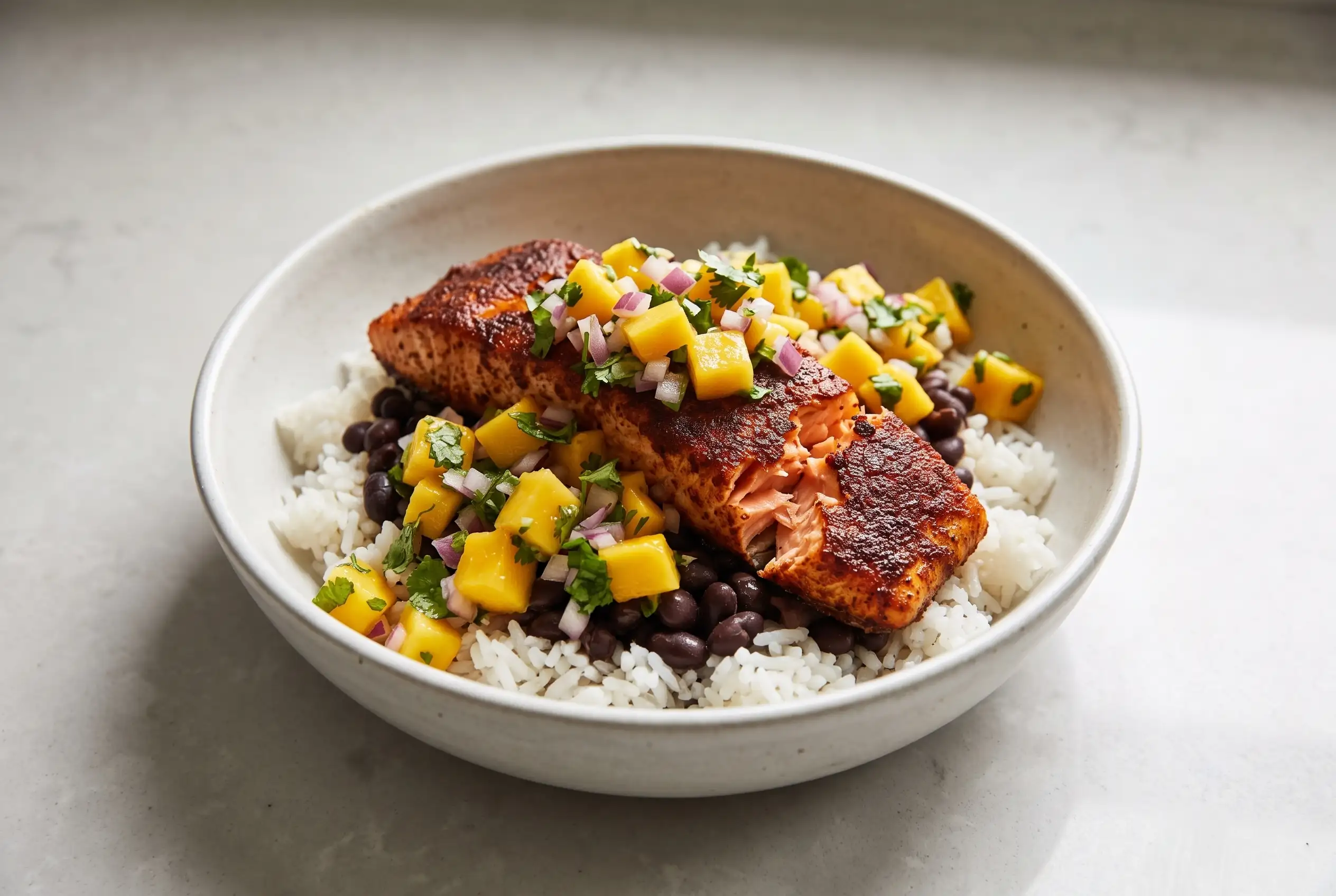
Caribbean jerk salmon bowl brings bold spices, colorful produce, and satisfying textures together in a meal built around seasoned fish, rice, beans, and fresh mango salsa. The jerk salmon bowl works because each layer has a clear purpose: the salmon carries warm spice, the rice and beans create a hearty base, and the fruit-forward topping keeps the flavors lively.
The combination reflects the appeal of a Caribbean jerk salmon bowl without requiring complicated preparation. A carefully balanced spice blend creates a browned exterior on the salmon, while simple handling choices help protect the fish’s delicate texture. The result is a salmon bowl with mango salsa that feels complete because every element supports the others.
Jerk Seasoning Shapes the Salmon’s Deep Spiced Crust
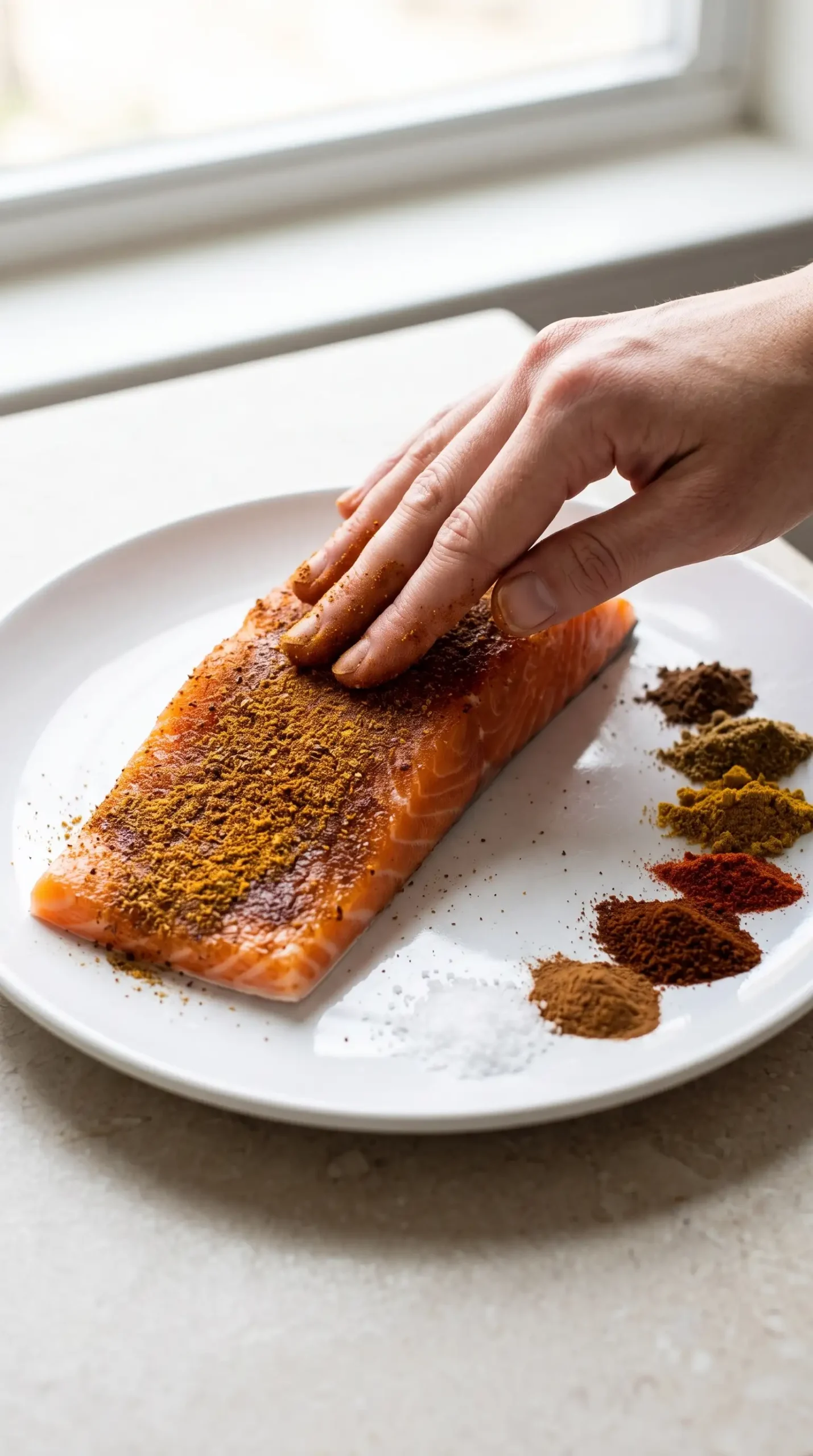
The seasoning blend is the ingredient knowledge that most changes how the salmon performs in this bowl. Cumin, curry, chili powder, allspice, cayenne, and cinnamon create a layered profile where earthy, warm, and spicy notes meet the natural richness of salmon.
Traditional Jamaican jerk seasoning is closely tied to ingredients such as allspice and peppers, which help define its characteristic flavor.
Applying the spices directly to the salmon allows the exterior to develop a flavorful crust during cooking. The skin can also receive seasoning if desired, but the important focus is creating contact between the spice mixture and the meat so each piece carries the characteristic jerk salmon recipe flavor.
Heat level can be adjusted by changing the amount of cayenne while keeping the other spices intact. The blend should remain recognizable as a warm Caribbean-inspired seasoning instead of becoming only a source of heat.
Mango Salsa Creates Fresh Contrast for the Bowl
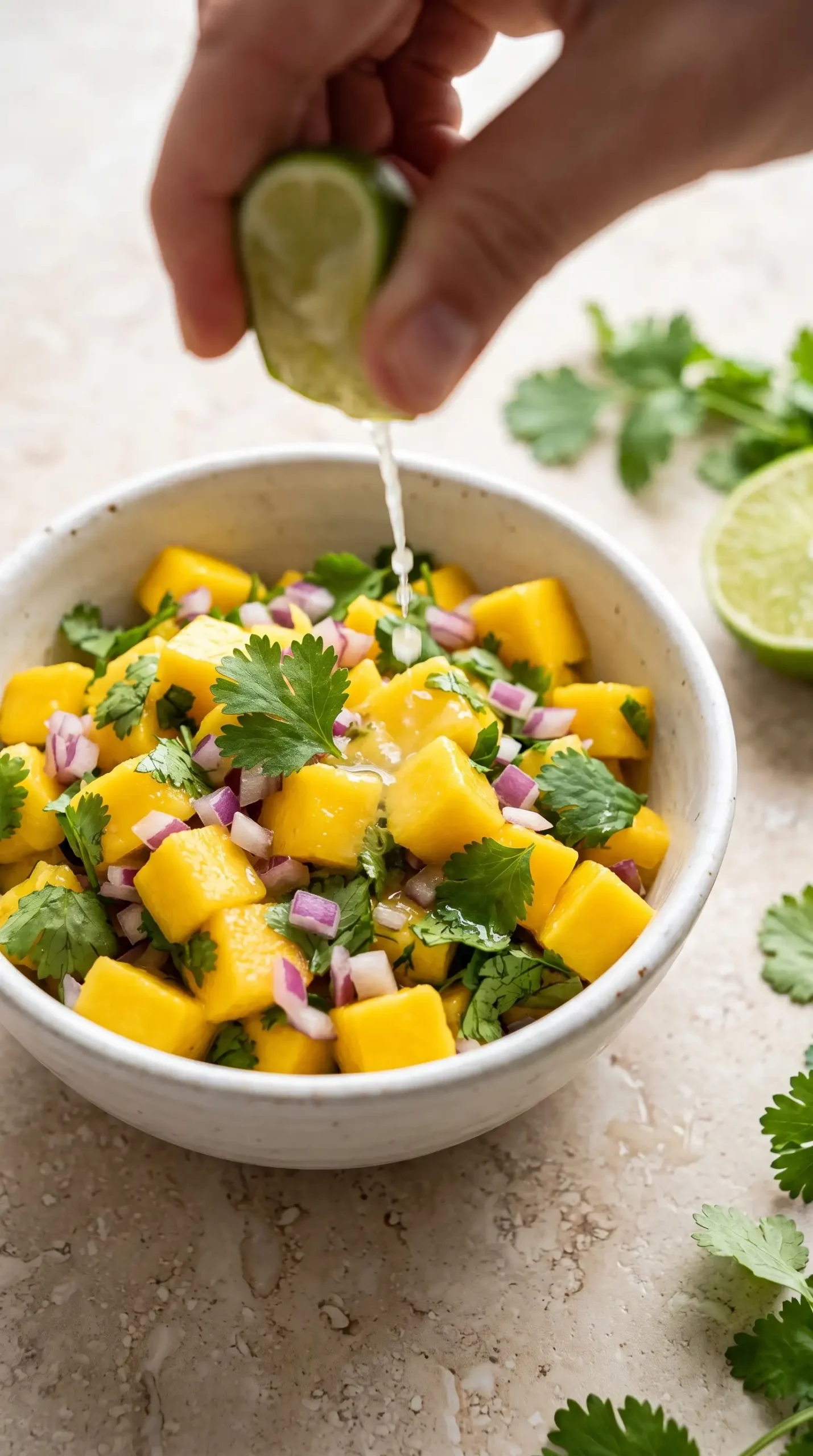
Fresh mango salsa changes the balance of the jerk salmon bowl by introducing juicy sweetness, crisp onion, bright lime, and herbal cilantro. The topping is especially useful because the salmon and spices bring richness that benefits from a fresh counterpoint. Serving fruit-based salsa with salmon creates a bright finishing layer, as seen in salmon bowls with mango salsa that emphasize the connection between seasoned fish and fresh toppings.
Rice and Black Beans Build the Bowl Foundation
The rice and black bean layer gives the bowl its structure and makes the seasoned salmon feel like part of a complete meal. Combining the cooked rice with rinsed black beans creates a base that absorbs some of the salmon’s spices while remaining mild enough to highlight the salsa.
Moisture matters when preparing the foundation. If the rice feels dry, a small amount of water can help loosen the mixture before assembly. The beans should be drained well so the bowl maintains a clear separation between the creamy, savory base and the bright topping.
Different serving arrangements can change the eating experience without changing the ingredients. Layering the rice and beans first keeps the salmon visible and allows the mango mixture to add freshness across the entire bowl.
| Component | Primary role | Key handling choice |
|---|---|---|
| Spiced salmon | Rich protein layer | Season evenly before cooking |
| Rice and black beans | Hearty foundation | Keep the mixture moist but not watery |
| Mango salsa | Fresh contrast | Combine gently to preserve texture |
Salmon Skin Handling Changes the Bowl Texture
Removing the skin after cooking creates smaller salmon pieces with a texture that fits naturally into a bowl. The approach also allows the fish to be separated into bite-sized portions so the seasoning, rice, and salsa can combine more evenly in each serving.
Cooking Control Keeps Jerk Salmon Moist and Flaky
The cooking control that matters most is recognizing when salmon has reached the right texture. The fish should lose its translucent appearance while staying tender, because extended cooking can quickly make salmon dry.
Starting with the skin side down helps create contact with the hot skillet and supports browning on the seasoned exterior. Keeping an eye on the fish as it changes color makes it easier to decide when to break it into pieces and finish cooking gently.
Several practical choices improve consistency during cooking:
- Even seasoning: Coat the salmon surface so each piece develops the same spiced flavor.
- Controlled heat: Use enough heat for browning while watching closely to prevent excessive cooking.
- Texture check: Remove the fish from heat once it is fully cooked to protect tenderness.
These decisions separate a moist jerk salmon bowl from one where the fish becomes lost beneath the other ingredients. The salmon remains the centerpiece when its texture receives the same attention as its seasoning.
Mistakes That Can Ruin a Jerk Salmon Bowl
Jerk salmon bowl mistakes usually come from small handling choices that affect texture or flavor balance. The most common issues are overcooking the fish, allowing the spices to dominate, or creating a base that overwhelms the fresh topping.
Overcooked salmon becomes dry because the fish continues losing moisture as it stays on heat. Watching for the change from translucent flesh to fully cooked pieces helps prevent this problem. Removing the salmon once it reaches that point protects the finished bowl.
Another issue occurs when the spice blend is treated only as heat. Cayenne should work with cumin, allspice, curry, and cinnamon so the seasoning remains complex. If the spice mixture becomes unbalanced, the mango salsa may no longer provide the intended contrast.
Choosing Salmon Pieces for Even Cooking
Salmon portions that can be handled comfortably in a skillet make the cooking process easier. Smaller pieces or divided sections can help create more consistent contact with the pan while still delivering the rich flavor expected from a salmon bowl with mango salsa.
Caribbean Ingredients Balance Heat and Brightness
The Caribbean influence in this bowl comes from the relationship between bold seasoning and fresh ingredients. The jerk spices create warmth, while mango, lime, cilantro, and onion keep the overall dish from feeling heavy.
Avocado can be added when a creamier texture is desired. Its mild flavor fits alongside the salmon and salsa while adding another soft element to the bowl. The addition should support the existing layers instead of replacing the contrast created by the fruit topping.
A successful Caribbean jerk salmon bowl depends on balance more than intensity. Each part should remain recognizable: the fish should taste seasoned, the base should feel satisfying, and the salsa should provide brightness with every bite.
Bowl Assembly Keeps Every Bite Balanced
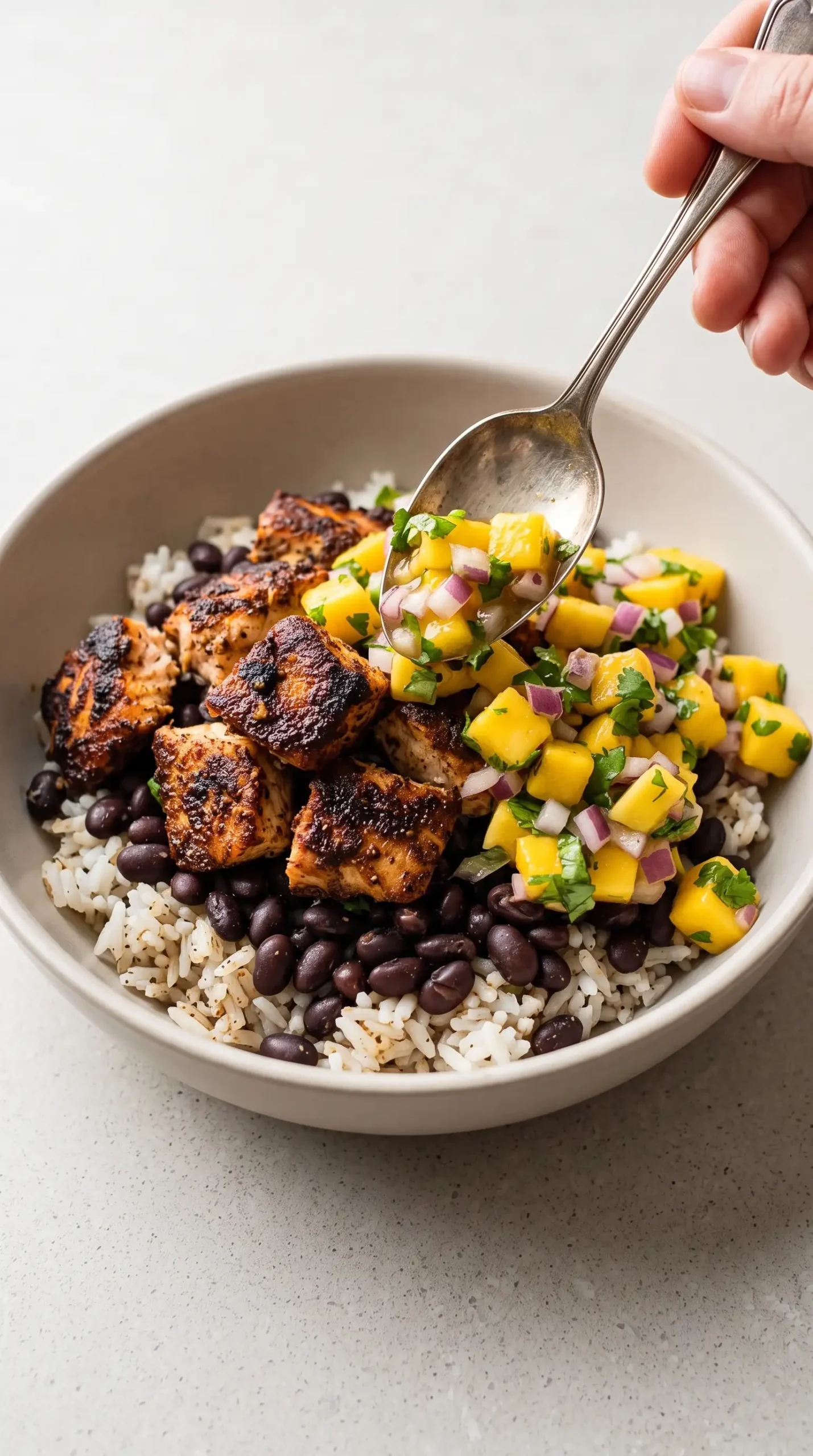
Layering determines how the flavors meet when the bowl is served. Placing the rice and beans underneath creates a stable base, while adding salmon and salsa above keeps the different textures noticeable.
Serving Adjustments Add Flexibility to the Salmon Bowl
The basic structure of the jerk salmon bowl allows small changes while maintaining its identity. The optional avocado addition is one example, but the most important elements remain the spiced salmon, rice and bean foundation, and mango topping.
Serving the components together also makes the bowl practical for different preferences. Some diners may want more salsa in each bite, while others may prefer a stronger salmon presence. Keeping the layers distinct makes those adjustments simple at the table.
The same flavor approach can inspire other meals, but the combination of jerk-seasoned fish and mango salsa is what defines this particular bowl. Maintaining that contrast keeps the dish connected to its original character.
Storing Leftover Salmon Bowl Components Safely
Cooked salmon, rice, beans, and salsa are best stored separately when possible because each component has a different texture. Keeping the salsa away from the warm ingredients helps preserve its fresh consistency when the bowl is enjoyed later.
Jerk Salmon Bowl Holds Its Character Through Balanced Layers
The spiced salmon, seasoned rice and beans, and mango salsa work together because each layer solves a different flavor need. The fish provides depth, the base provides comfort, and the fresh topping keeps the meal vibrant.
Careful salmon cooking remains the most important judgment in the bowl. When the fish stays tender and the spice crust develops without overpowering the fresh ingredients, the jerk salmon bowl delivers the balance that makes the combination memorable.
Cooking Questions About Salmon Doneness and Storage
How do I know when salmon is fully cooked?
Salmon is ready when the flesh is no longer translucent and the pieces have reached a fully cooked texture. Removing it from heat once that change occurs helps avoid dryness.
Can I prepare the mango salsa ahead of serving?
The mango salsa can be prepared ahead, but gentle mixing helps maintain the texture of the diced mango, onion, and cilantro. Keeping it separate from warm ingredients preserves its freshness.
Why does the jerk salmon bowl use salmon pieces instead of a whole filet?
Breaking the salmon into smaller pieces makes it easier to check doneness and creates a texture that combines naturally with the rice, beans, and salsa.
Can avocado be added to the salmon bowl?
Avocado is an optional addition that brings a creamy texture and mild flavor that pairs well with the spicy salmon and bright mango salsa.
Jerk Salmon Bowl with Mango Salsa and Rice and Beans
This jerk salmon bowl combines warmly spiced, browned salmon with hearty rice and black beans and a fresh mango salsa. It is a quick, colorful meal with rich, spicy, sweet, and bright flavors.
Ingredients
Method
Cooking
- Combine the cumin, curry, chili powder, allspice, cayenne pepper, and cinnamon. Coat the salmon with the spice mixture on the flesh and, if desired, the skin, then sprinkle with sea salt.
- Heat the oil in a skillet over medium-high heat. Place the salmon skin-side down and cook for 3-5 minutes, adding more oil as necessary to prevent sticking. Turn the salmon and cook on the flesh side for another 3-5 minutes, until the spices form a browned crust.
- When the salmon is mostly cooked, remove the skin and leave the salmon flesh in the skillet. Break it into smallish pieces and continue cooking until the fish is completely cooked through and no longer translucent. Remove from the heat as soon as it is done.
Mango Salsa
- Combine the mangoes, red onion, cilantro, lime juice, and avocado in a small bowl. Stir together and season with sea salt.
Rice and Beans
- Mix the cooked white rice and black beans together and season with several pinches of salt. Add 1 tablespoon water if necessary.
Assembly
- Divide the rice and beans among bowls, then layer the salmon and mango salsa over the top.
Notes
Removing the salmon skin after the initial cooking makes it easier to ensure the fish cooks completely through and also creates a pleasant texture for the bowl.