From breakfast to dinner, from wholesome meals to indulgent desserts, Nexa Recipes offers quick, easy, and delicious ideas for every occasion and every moment.



 This Recipe
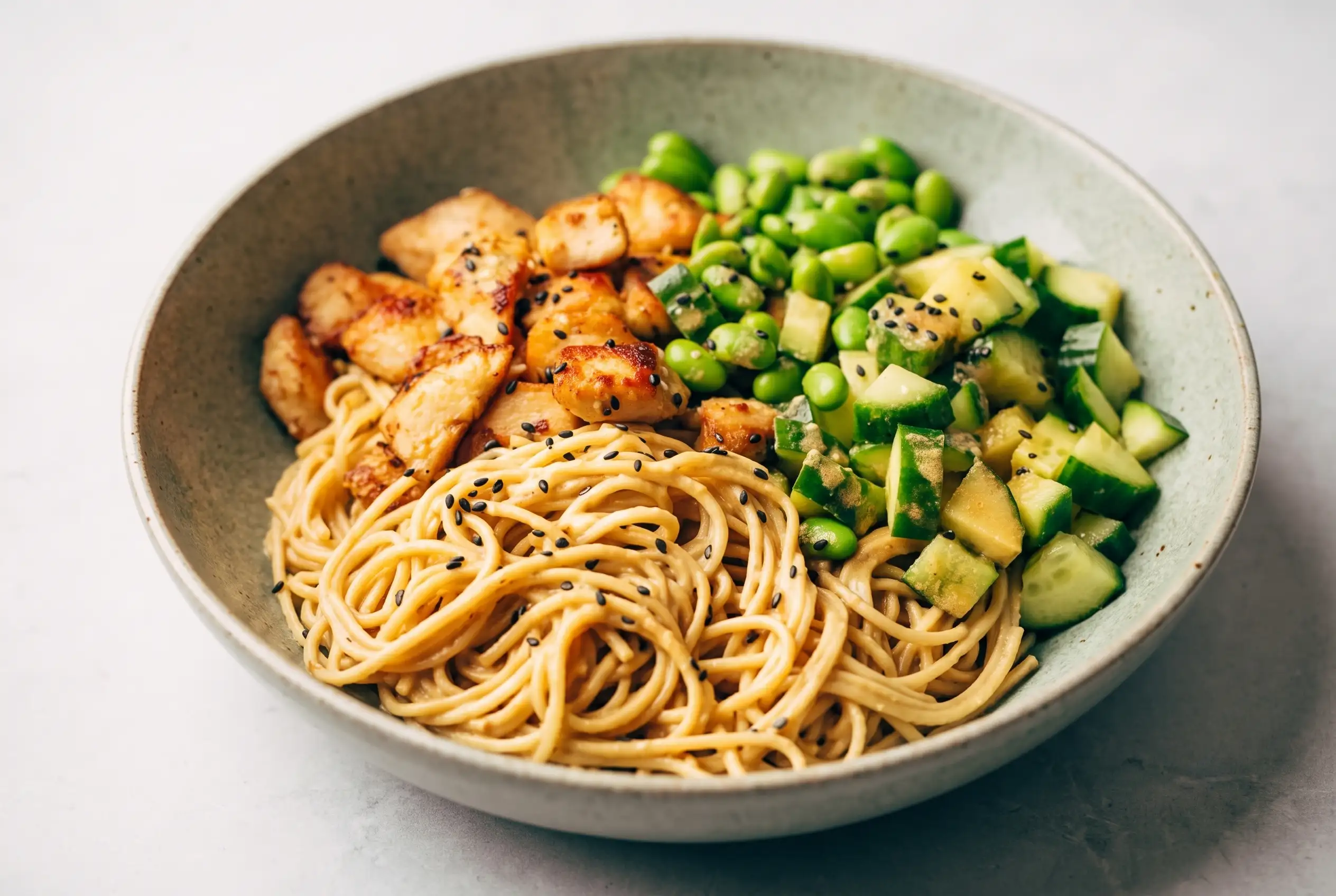
Sesame noodle bowls bring together creamy sesame sauce, tender noodles, crisp cucumber, edamame, and optional chicken for a practical meal that fits busy schedules. These 15 minute meal prep noodles rely on simple preparation choices that help the flavors stay appealing after chilling, while the combination of textures keeps each portion interesting.
The appeal of sesame noodle bowls comes from balance. A smooth sauce coats the noodles, fresh vegetables provide contrast, and prepared chicken can turn the dish into a more complete lunch or dinner. Small choices with the sauce, noodles, and storage containers make a noticeable difference in the finished result.
Sesame Noodle Bowls Create Practical Meal Prep Balance
Meal preparation works well here because the main elements can be combined ahead of time without requiring complicated finishing steps. The noodles carry the sauce, the vegetables maintain a refreshing bite, and the portions remain convenient for grabbing from the refrigerator.
Cold meals often depend on texture as much as flavor. The combination of soft noodles, crunchy cucumber, and tender edamame creates variety in every serving, preventing the bowl from feeling one-dimensional after storage.
Chicken sesame noodle bowls offer another layer of flexibility because diced chicken can be mixed throughout or kept separate until serving. The protein choice allows the same preparation style to work for different meal preferences.
Sesame Sauce Choices Shape The Bowl’s Texture
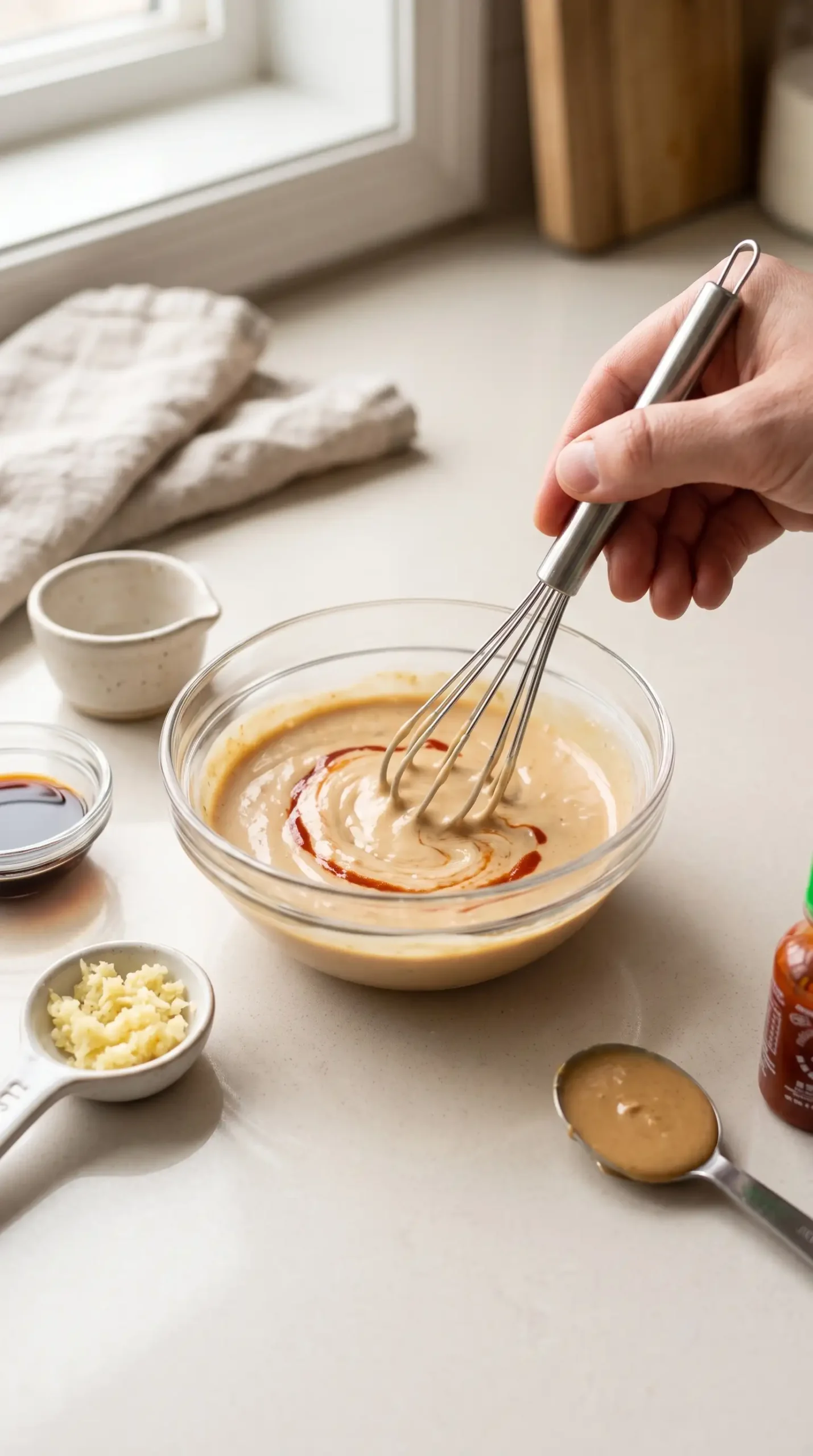
The sauce determines how the noodles hold together and how the flavors spread throughout the container. A properly blended sesame sauce should coat the noodles evenly without leaving dry areas or excessive pooling.
| Adjustment | Effect on Sauce | Best Use |
|---|---|---|
| Warm water | Creates a smoother consistency | Helping sesame paste blend evenly |
| Rice vinegar | Adds brightness | Balancing the rich sesame flavor |
| Sriracha | Introduces heat | Customizing the bowl’s spice level |
Extra sauce can be useful because noodles naturally absorb flavorful coatings as they rest. Keeping some sauce available allows the texture to be adjusted when serving without rebuilding the entire bowl.
Tahini Sauce Brings Depth To Sesame Noodle Bowls
The sesame paste or tahini base is the ingredient choice most likely to improve this dish because it creates the creamy foundation that connects every component. Smoothly combining the paste with the liquid ingredients creates a better tahini sauce consistency, helping the sauce cling to noodles instead of sitting separately.
Garlic, soy sauce, sesame oil, and rice vinegar work together to create a savory profile with enough brightness to support the vegetables. Adjusting sugar or spice levels allows the sauce to match different preferences while keeping the same overall structure.
Sesame noodles with edamame benefit from a sauce that remains flavorful after refrigeration. The creamy coating helps the noodles stay enjoyable while the vegetables provide contrast against the richer sesame notes.
Noodles Need Careful Handling For Better Meal Prep
The noodle choice influences how the bowls hold up after preparation. Stir fry noodles, Chinese egg noodles, or linguine can all work when they are cooked with attention to their final texture.
- Cooking texture: Slightly firm noodles have more room to absorb sauce while resting.
- Sticky strands: A quick rinse can help separate noodles when they cling together.
- Sauce coverage: Coating noodles before dividing portions helps distribute flavor.
Preparing noodles with storage in mind creates a better eating experience later. Overly soft noodles can lose their structure, while properly handled noodles remain easier to mix with vegetables and chicken.
Chicken Sesame Noodle Bowls Add A Satisfying Option
Cooked chicken turns the bowl into a heartier meal while still allowing the sesame sauce and fresh ingredients to remain noticeable. Bite-sized pieces are especially useful because they combine easily with noodles and vegetables.
Baked chicken can be finished with extra sesame sauce in a skillet when a browned exterior is desired. The added step focuses on texture, giving the chicken a more pronounced surface while keeping it connected to the flavors of the bowl.
For a lighter preparation, the vegetables and noodles can remain the center of the meal without chicken. The structure of the dish makes it adaptable without requiring changes to the sauce.
Sesame Noodle Bowls Fit Flexible Storage Plans
Prepared portions can be stored in the refrigerator and enjoyed chilled or warmed according to preference. Keeping the components evenly distributed helps each container maintain the intended balance of noodles, vegetables, and sauce.
Storage success depends on protecting texture. Containers with secure lids help prevent the noodles from drying, while keeping portions organized makes them easier to serve throughout the week.
| Component | Storage Consideration | Serving Approach |
|---|---|---|
| Noodles with sauce | May absorb sauce over time | Mix before eating |
| Cucumber pieces | Add fresh crunch | Keep evenly distributed |
| Cooked chicken | Provides added substance | Serve cold or warm |
Common Sesame Noodle Bowl Mistakes To Avoid
Sesame noodle bowls can lose their appeal when a few preparation details are overlooked. These mistakes are easy to prevent once the cause and solution are clear.
- Overcooked noodles: Very soft noodles may become less pleasant after chilling. Cooking them with their final texture in mind helps maintain structure.
- Uneven sauce mixing: Sauce that is not fully combined can leave some bites strongly flavored and others bland. Whisking until smooth improves consistency.
- Excessive stickiness: Noodles that clump together can be harder to portion and eat. A cold rinse can help separate sticky strands.
Small corrections during preparation have a larger impact than adding extra ingredients later. The dish depends on harmony between the sauce, noodles, and fresh toppings.
Edamame And Cucumber Keep The Bowls Fresh
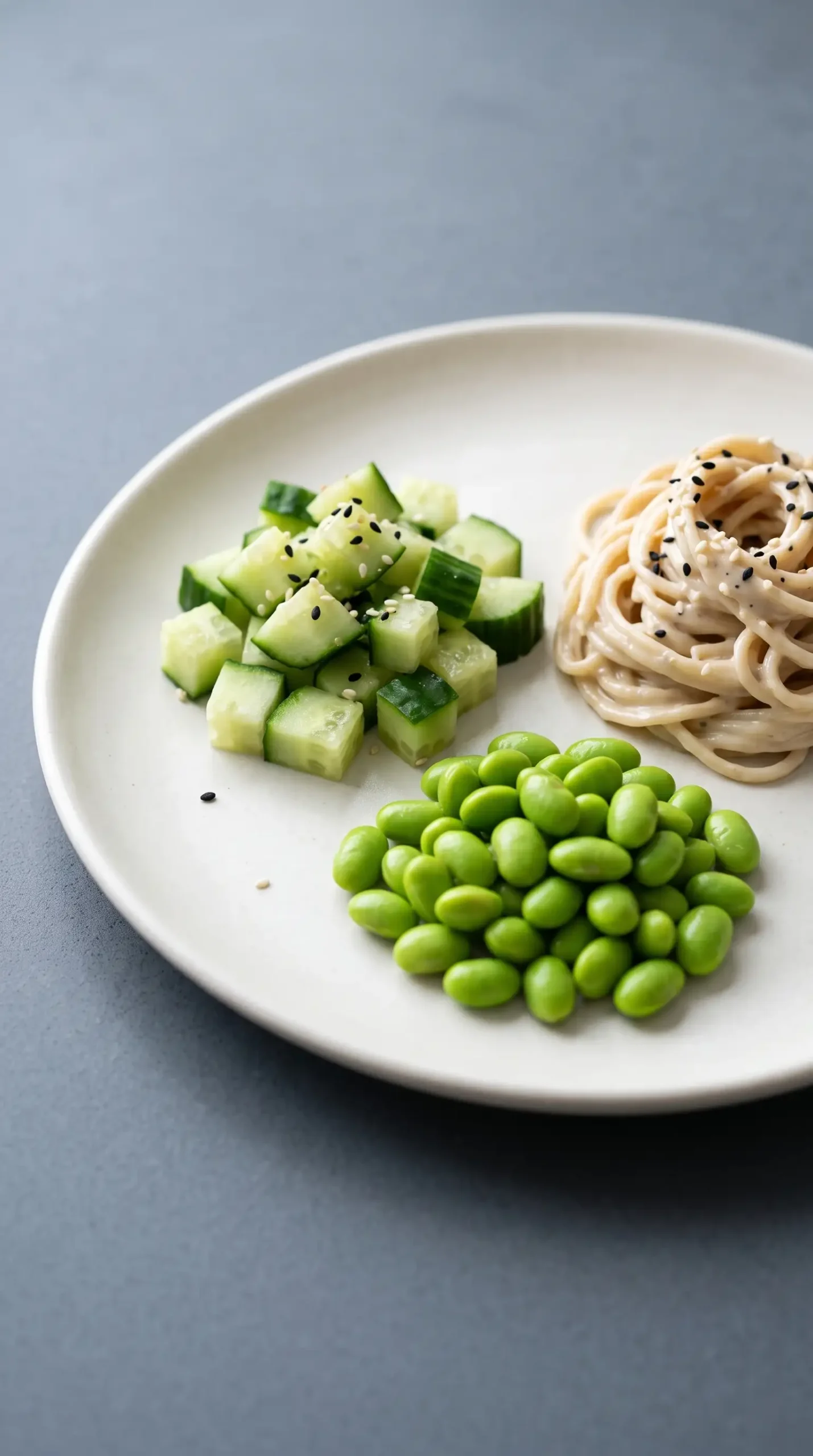
Fresh vegetables create the contrast that makes sesame noodle bowls feel balanced. Diced cucumber brings a crisp texture, while cooked edamame adds a satisfying bite that pairs with the creamy sauce and can be combined with Asian chicken salad with sesame, edamame, and almonds for a meal centered on fresh ingredients and sesame flavors.
Combining vegetables with noodles creates a meal that feels substantial without relying only on the sauce. The different textures help each serving remain enjoyable even after preparation.
Meal Prep Noodles Work Best With Smart Assembly
Assembly choices influence how easily portions can be served later. Dividing noodles, vegetables, and protein evenly helps prevent one container from becoming overloaded with a single component.
Keeping the preparation organized also makes the bowls convenient for busy days. A balanced portion can move from refrigerator to table with little additional work.
The same approach makes 15 minute meal prep noodles useful for lunches, quick dinners, or planned meals when cooking time is limited. The ingredients support preparation ahead without requiring complicated reheating steps.
Flavor Adjustments Keep Sesame Noodle Bowls Interesting
Flavor changes can be made without altering the basic structure of the meal. Additional spice, more sweetness, or a slightly sharper sauce can shift the bowl toward different tastes while keeping the sesame foundation.
Serving preferences can also influence the experience. Some people enjoy the noodles cold with crisp vegetables, while others prefer a warmer meal with heated chicken mixed through the bowl.
Cooking Control Preserves The Texture Of Sesame Noodles
The most important cooking control comes from managing the noodle texture before assembly. Since the noodles continue interacting with the sauce after preparation, their starting point affects the finished bowl.
Careful sauce preparation also matters because sesame paste needs enough moisture to become smooth and spreadable. A well-combined sauce creates more even flavor throughout the container.
Chicken preparation requires attention as well. Cooking bite-sized pieces evenly and allowing optional browning afterward can improve the contrast between the tender interior and the more developed exterior.
Serving Ideas Make Sesame Noodle Bowls Easy To Enjoy
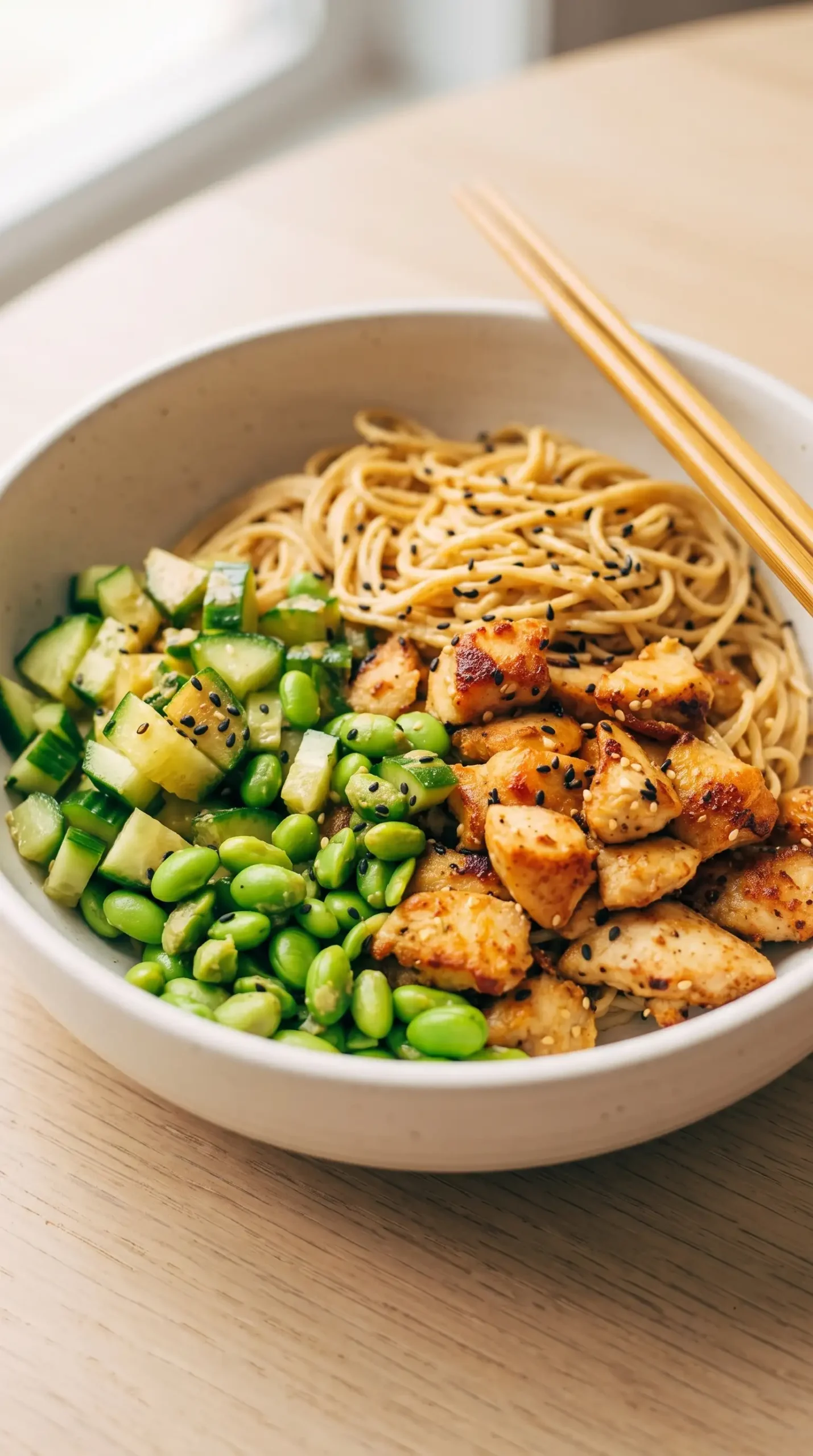
These bowls work well as a complete prepared meal, but they can also be adjusted at serving time with simple additions. Sesame seeds provide a finishing touch, while extra sauce can refresh the texture after chilling.
The flexible serving style makes the dish suitable for different routines. A prepared container can become a quick lunch straight from the refrigerator or a warmer dinner with gently reheated components.
Sesame Noodle Bowls Stay Balanced Through Careful Preparation
Sesame noodle bowls succeed when the creamy sauce, noodles, and fresh ingredients maintain their individual qualities. The most important judgment is keeping enough texture in the noodles while allowing the sesame mixture to coat every portion.
Balanced assembly creates a meal where preparation ahead becomes an advantage instead of a compromise. When the sauce is smooth, the vegetables remain crisp, and the noodles are handled carefully, each serving keeps the character that makes the dish useful.
Sesame Noodle Bowls Questions About Storage And Preparation
How long can sesame noodle bowls stay stored?
Prepared portions can be kept refrigerated for several days when stored properly in covered containers. Mixing gently before eating can help redistribute sauce that has settled into the noodles.
Can sesame noodle bowls be eaten cold?
Yes, the combination of noodles, cucumber, edamame, and sesame sauce works well as a chilled meal. The fresh ingredients provide contrast that suits a cold serving style.
What helps prevent sticky noodles?
Cooking noodles carefully and rinsing them when they become overly sticky can help separate strands before the sauce is added. Even sauce coverage also reduces clumping.
How can chicken be added without drying out?
Chicken stays more enjoyable when it is cooked evenly and combined with the sesame flavors during serving. Adding sauce to browned pieces can help connect the protein with the rest of the bowl.
Sesame Noodle Bowls with Creamy Sesame Sauce and Chicken
Sesame noodle bowls combine creamy sesame sauce, tender noodles, crisp vegetables, and optional chicken for an easy meal prep dish. The balanced textures and savory sesame flavor make these bowls a practical choice for busy lunches or quick meals.
Ingredients
Method
Preparation
- Combine the sauce ingredients in a bowl and whisk until smooth, or blend them together using a food processor or sealed jar.
- Cook the noodles a few minutes less than the package directions. If the noodles become very sticky, rinse them with cold water.
- Coat the cooked noodles with about half of the prepared sesame sauce.
Assembly
- Portion the noodles, edamame, cucumber, and chicken into containers.
- Add a small amount of the remaining sauce over each portion and finish with sesame seeds.
Notes
For the ideal chicken method, cut chicken breasts into bite-sized pieces, coat with olive oil, salt, pepper, and garlic powder, then bake at 425°F (218°C) for 15 minutes. For a browned exterior, transfer the baked chicken to a skillet with extra sesame sauce and cook until the outside develops color.