From breakfast to dinner, from wholesome meals to indulgent desserts, Nexa Recipes offers quick, easy, and delicious ideas for every occasion and every moment.



 This Recipe
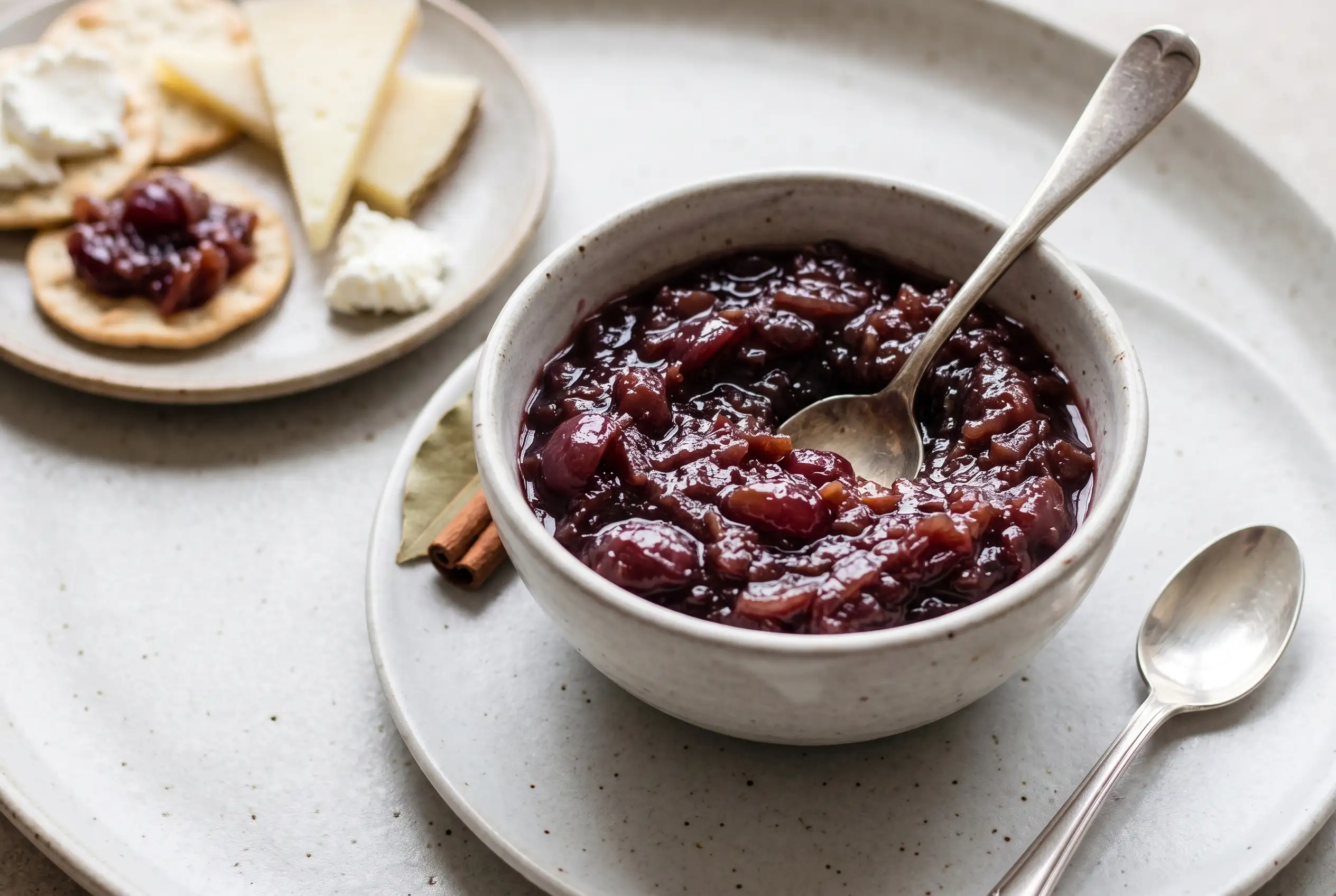
Shallot grape chutney transforms sweet red grapes, deeply softened shallots, bourbon, and warm spices into a rich condiment designed for memorable cheese pairings. The combination works because the fruit develops a jam-like texture while the savory shallots create a foundation that keeps the sweetness balanced.
Unlike a simple fruit spread, shallot grape chutney carries layers from gentle caramelization, wine notes, and a slow reduction process. Each ingredient has a specific role in creating a spread that feels equally suited to crackers, cheese boards, and special appetizers.
Shallot Grape Chutney Builds Sweet Savory Depth for Cheese Pairings
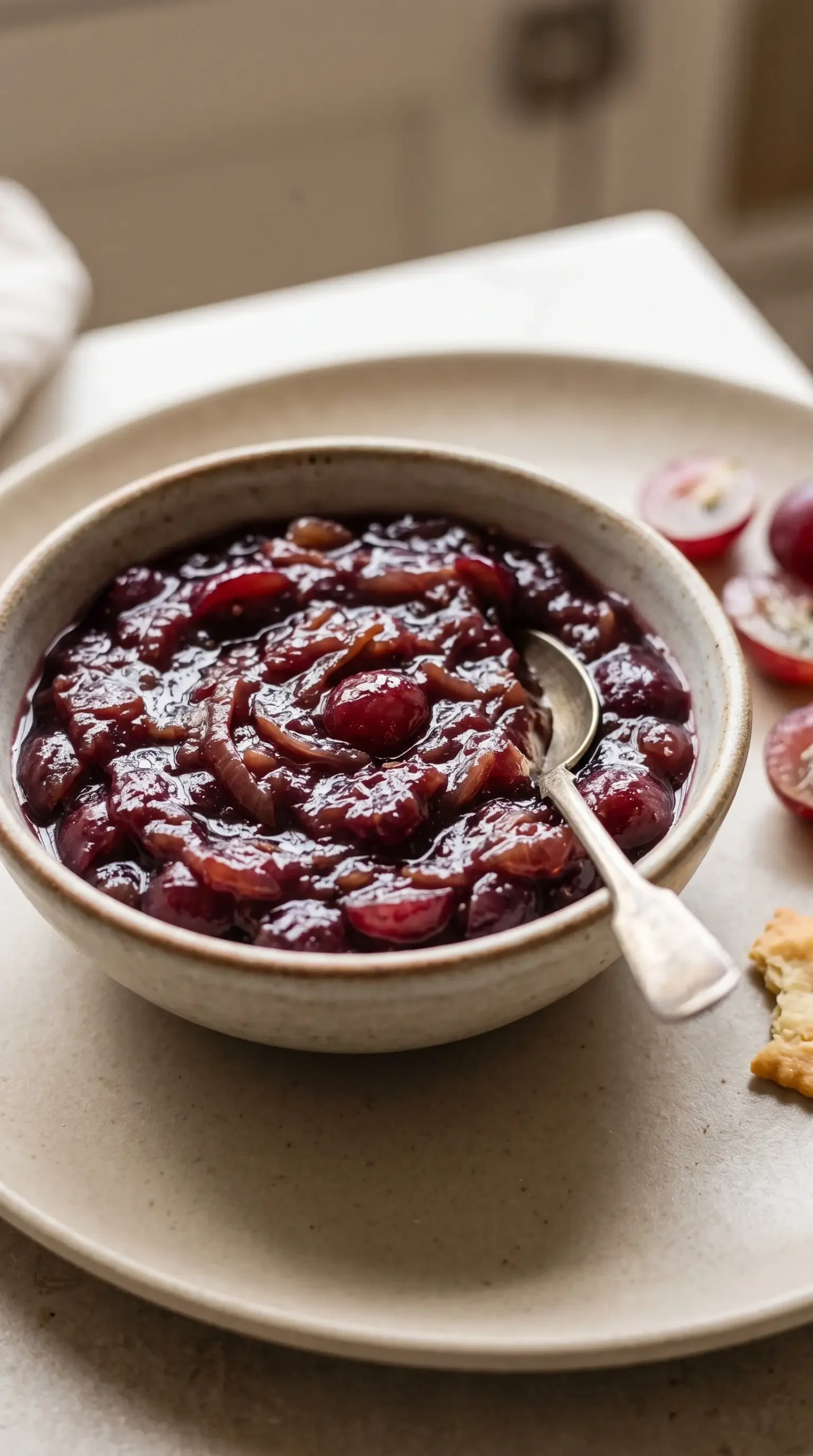
Balanced flavors define the appeal of this grape chutney with bourbon. The softened shallots bring a mellow savory character, while grapes contribute natural sweetness and a bright fruit quality that becomes deeper during cooking.
Careful reduction allows the liquids to combine with the fruit instead of remaining separate. Bourbon, rice vinegar, and red wine create a concentrated mixture that coats the grapes and supports the final jam-like consistency.
Many cheese boards rely on contrast, and the chutney provides exactly that relationship. Rich cheeses benefit from the fruit-forward sweetness, while tangy cheeses gain extra complexity from the shallot and vinegar notes.
Shallots Create the Foundation for Caramelized Shallot Chutney Flavor
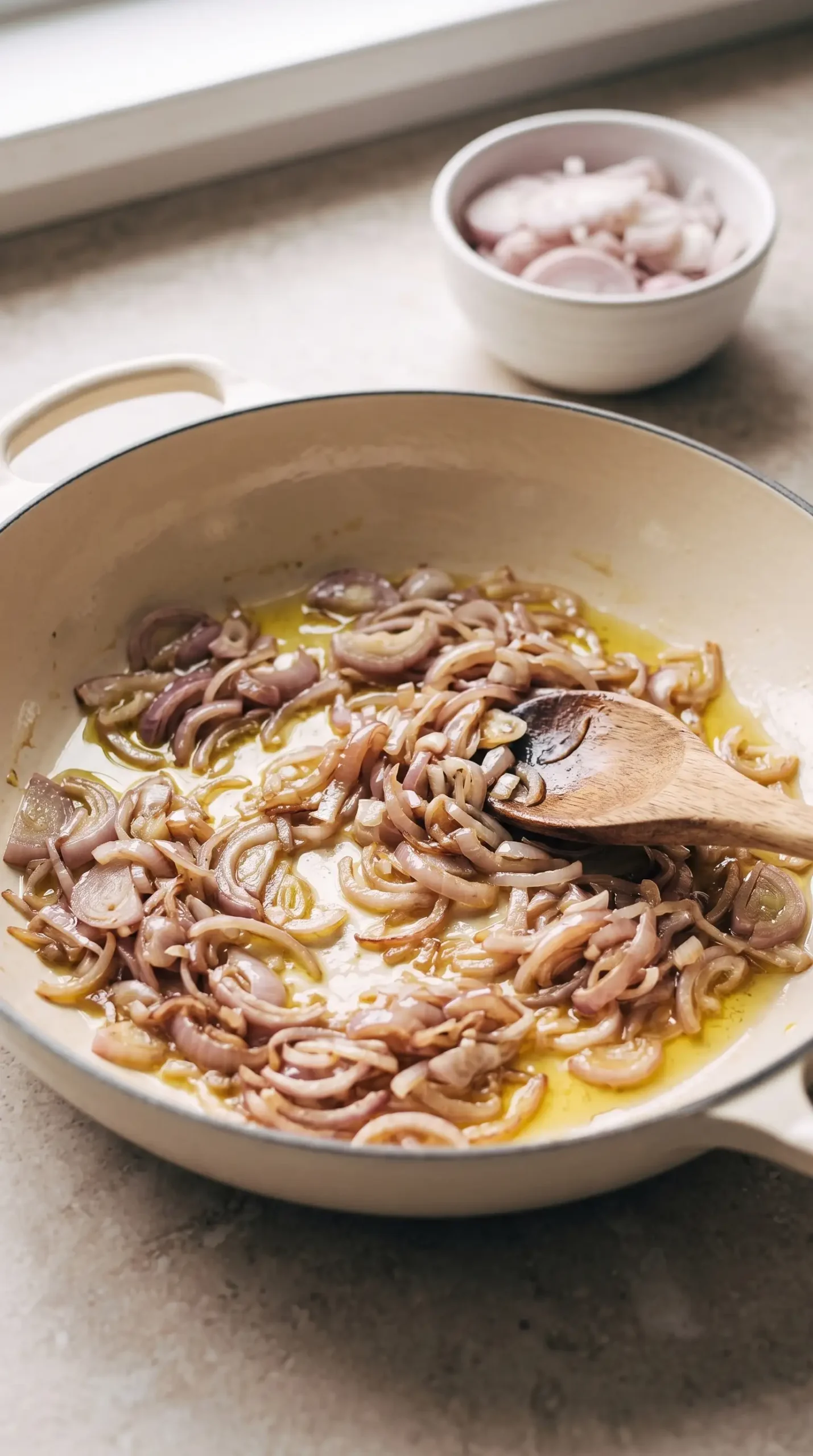
Softening the shallots until fragrant is the key ingredient decision that shapes caramelized shallot chutney. Their texture should become tender enough to blend into the finished spread while maintaining the savory depth that separates it from ordinary fruit preserves.
Grapes and Spices Shape the Chutney’s Signature Balance
Red or purple grapes bring both color and body to the chutney as they break down during simmering. Cutting the grapes in half helps the fruit release its juices and allows the sauce-like texture to develop naturally.
Warm aromatics provide background flavor without overwhelming the fruit. The cinnamon stick and bay leaf slowly infuse the mixture, creating a subtle savory-spiced profile that complements cheeses and crisp crackers.
Texture depends on the amount of grape breakdown achieved during cooking. Pressing the softened fruit with the back of a wooden spoon creates a spreadable consistency while leaving enough character for a rustic finish.
Bourbon and Vinegar Control the Richness
Liquid balance keeps the grape chutney with bourbon from becoming overly sweet. The bourbon adds depth, the vinegar introduces acidity, and the red wine contributes a rounded flavor that ties the fruit and aromatics together.
Cheese Pairings Reveal the Best Uses for Grape Chutney
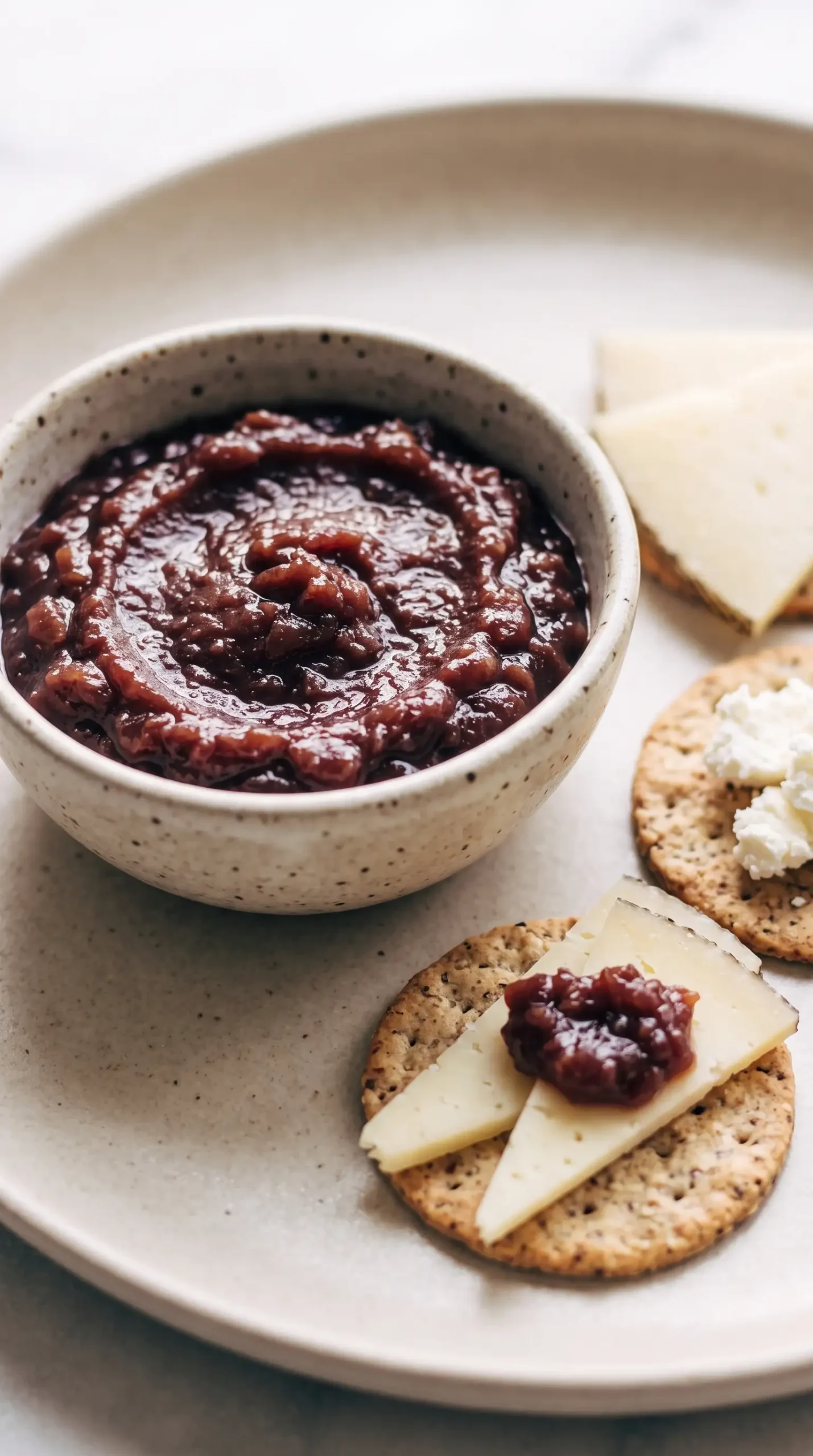
Serving choices help highlight the chutney’s strongest qualities. Different cheeses emphasize different parts of the sweet and savory profile, and a Boursin cheese appetizer pairing brings a creamy, herb-filled contrast that complements the chutney’s fruit and shallot notes.
| Cheese choice | Flavor relationship | Serving approach |
|---|---|---|
| Manchego | Nutty richness balances fruit sweetness | Spread chutney over crackers with thin cheese slices |
| Goat cheese | Tangy creaminess contrasts the jam-like texture | Layer together for a simple appetizer bite |
| Firm aged cheeses | Savory notes pair with reduced fruit flavors | Add as part of a larger cheese board |
Simple pairings allow the chutney to remain the focus. A small amount can add a concentrated burst of fruit and spice without covering the character of the cheese.
Cooking Controls Protect the Texture of Shallot Grape Chutney
Medium heat during the shallot stage encourages gentle softening before the fruit and liquids are introduced. Rushing this stage can leave pieces too firm and prevent the savory base from blending smoothly.
Heat adjustments matter after the liquids enter the pan. The initial sizzle helps loosen flavorful browned areas from the bottom, while steady simmering allows the grapes to collapse and the mixture to thicken.
Observation is more useful than relying only on appearance. The chutney is ready for finishing when the grapes have visibly broken down and the mixture has developed a cohesive, spoonable texture.
Common Shallot Grape Chutney Mistakes Change the Finish
Small preparation choices can affect the final spread. Avoiding these issues helps preserve the intended balance of sweetness, acidity, and savory flavor.
- Overheating shallots: Excessive heat can interfere with the soft, fragrant texture needed for the chutney base.
- Skipping the reduction: Removing the chutney before the grapes break down can leave the mixture thin and disconnected.
- Crushing too early: Smashing grapes before they soften naturally can make the texture less cohesive.
- Ignoring acidity: The vinegar helps prevent the fruit flavors from becoming one-dimensional.
Corrections are usually simple. Continue simmering if the mixture seems loose, or allow it to cool fully so the texture can settle before serving.
Serving Ideas Turn Grape Chutney Into a Cheese Board Feature
Elegant presentation does not require complicated preparation. A small bowl of chutney surrounded by crackers and cheese creates a balanced appetizer where guests can combine flavors according to preference.
Storage Choices Preserve the Chutney Texture and Flavor
Cool handling helps maintain the chutney’s consistency after cooking. Allowing the mixture to come down in temperature before serving gives the flavors time to settle together.
Covered storage keeps the chutney ready for later cheese pairings and appetizer arrangements. The concentrated fruit and vinegar-based mixture is well suited for preparing ahead when planning entertaining menus.
Serving temperature can influence the experience. A chilled chutney will have a firmer texture, while allowing it to soften slightly before serving makes spreading easier.
Small Variations Keep the Chutney Character Intact
Adjustments should preserve the balance between fruit, savory notes, and acidity. Choosing different red wines or pairing with another favorite cheese can change the presentation while keeping the central character recognizable.
Wine and Spirit Notes Influence the Finished Chutney
Flavor layers develop through the interaction of the liquids rather than any single addition. Bourbon creates warmth, while red wine contributes depth that works naturally with red grapes.
Acidity from rice vinegar gives structure to the sweeter elements, as vinegar balances sweet flavors by adding contrast. Without that balance, the fruit-forward profile would feel heavier and less suitable alongside rich cheeses.
Thoughtful pairings make the chutney especially useful for gatherings. The same spread can move from a casual cracker topping to a more polished appetizer component depending on presentation.
Preparing the Chutney for Entertaining Makes Serving Easier
Advance planning works well for a condiment built around concentrated flavors. Keeping the serving setup simple lets the chutney, cheese, and crackers create the main experience.
Shallot Grape Chutney Finds Its Balance Through Slow Flavor Development
Grapes become the defining texture of shallot grape chutney when they soften into a rich spread, while the shallots provide the savory foundation needed to balance the fruit. The most important cooking judgment comes from recognizing when the mixture has reduced enough to become cohesive without losing its character.
Careful softening, controlled simmering, and thoughtful pairing allow this chutney to serve as more than a sweet topping. Its combination of fruit, spice, wine, and bourbon creates a distinctive accompaniment built around contrast.
Grape Chutney Questions About Storage, Pairings, and Preparation
Can shallot grape chutney be made ahead?
Yes, preparing the chutney ahead can make serving easier because the flavors have time to settle together. Keep it covered and bring it closer to serving temperature when you want a softer spreading texture.
What cheeses work best with grape chutney?
Manchego and goat cheese are especially suitable because their textures and flavors create clear contrasts with the sweet fruit and savory shallots. Other firm cheeses can also work when served as part of a balanced board.
How can the chutney texture be adjusted?
A thicker texture develops through longer simmering, while a looser spread results from stopping earlier in the reduction process. Pressing the softened grapes more thoroughly also creates a smoother finish.
Why does the chutney include bourbon and vinegar?
Bourbon adds depth and warmth, while vinegar provides acidity that keeps the grape flavors balanced. Together they create a more complex condiment than fruit alone.
What can be served with grape chutney besides crackers?
The chutney works well anywhere a sweet-savory accent is useful, especially alongside cheese-centered appetizers. It can also complement other simple serving arrangements where a concentrated fruit spread fits naturally.
Caramelized Shallot Chutney with Grape and Bourbon
Shallot grape chutney is a rich, jam-like condiment with sweet fruit, savory shallots, and warm layered flavors. It is a memorable addition for gatherings when you want an elegant cheese pairing or appetizer accent.
Ingredients
Method
Preparation
- Heat the olive oil over medium heat. Add the shallots and cook, stirring occasionally, for 5-10 minutes until softened and fragrant.
Cooking
- Increase the heat and add the grapes. Pour in the bourbon, rice vinegar, and red wine, allowing the mixture to sizzle and loosen any browned bits from the pan.
- Add the cinnamon stick and bay leaf. Simmer the mixture, stirring occasionally, for about 30 minutes until the grapes begin to break down.
Finishing
- Press the softened grapes with the back of a wooden spoon until the chutney reaches a jam-like consistency.
- Remove from heat, cool, and serve with crackers and cheese.
Notes
Press the softened grapes with a wooden spoon to create the desired jam-like chutney texture.