From breakfast to dinner, from wholesome meals to indulgent desserts, Nexa Recipes offers quick, easy, and delicious ideas for every occasion and every moment.



 This Recipe
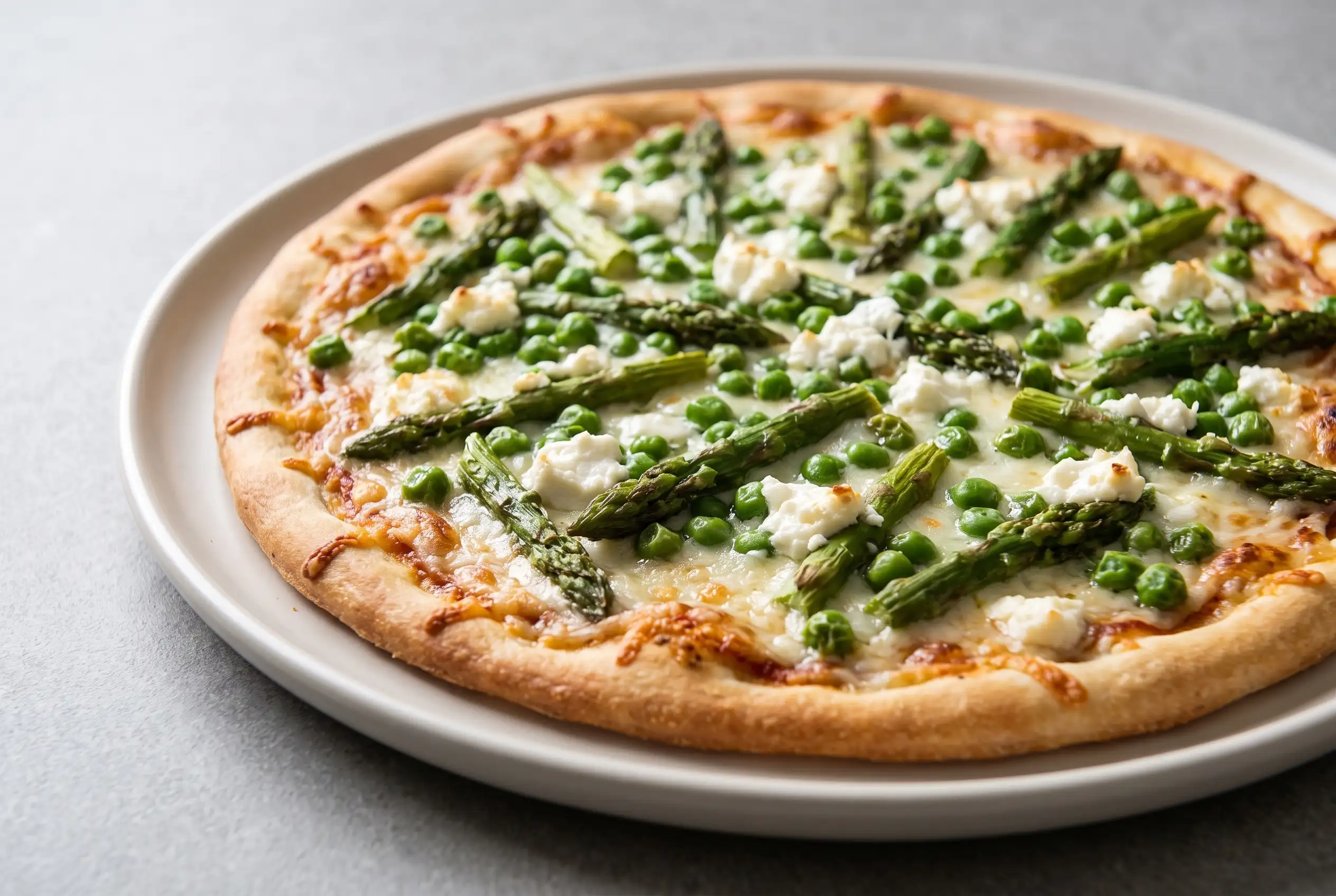
Asparagus Pea Pizza Brings Spring Flavor to a Crisp Crust
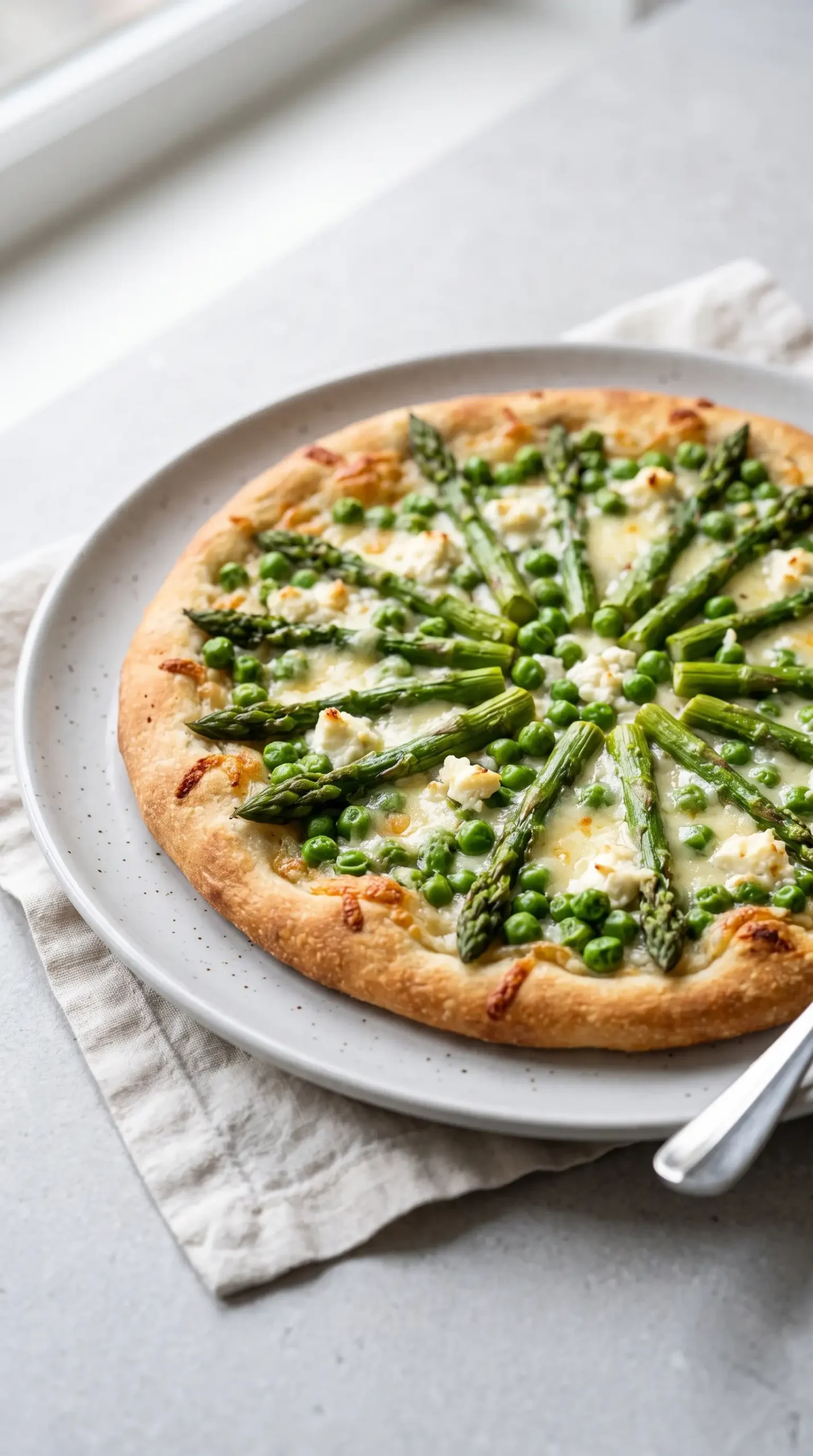
Asparagus pea pizza combines a favorite homemade pizza foundation with a bright vegetable topping, creamy cheeses, and the fresh character of a seasonal sauté. The pairing of asparagus, peas, provolone, and goat cheese creates a vegetable pizza with goat cheese that feels satisfying without relying on heavy layers of toppings.
Created around simple choices, this pizza lets each element keep its identity. A well-prepared crust provides structure, the vegetables bring color and texture, and the cheeses create the savory richness that ties the slices together. The result is a flexible meal that works for casual dinners, gatherings, or a creative way to use fresh produce.
Goat Cheese and Vegetables Shape the Pizza’s Balance
Vegetable preparation determines how the topping performs once it reaches the oven. The asparagus and pea sauté introduces cooked vegetables with enough tenderness to complement the crust while maintaining some texture. Preparing the vegetables before assembling the pizza helps prevent a topping that feels disconnected from the baked base.
Crumbled goat cheese brings a distinct tang that separates this pizza from a standard cheese pie. Its creamy texture contrasts with the vegetables, while small pieces spread across the surface create flavorful bites throughout each slice. A lighter hand with the cheese allows the asparagus and peas to remain noticeable.
Thinly sliced provolone serves a different purpose by creating a smooth melted layer beneath the vegetable topping. The combination of a melting cheese and a finishing cheese gives the pizza multiple textures without requiring a complicated sauce or additional ingredients.
- Vegetable texture: A prepared asparagus and pea mixture should remain recognizable after baking.
- Cheese balance: Provolone supports melting while goat cheese contributes a sharper creamy finish.
- Crust support: A properly prepared pizza base keeps the toppings enjoyable from the first slice to the last.
Fresh Toppings Need Thoughtful Preparation Before Baking
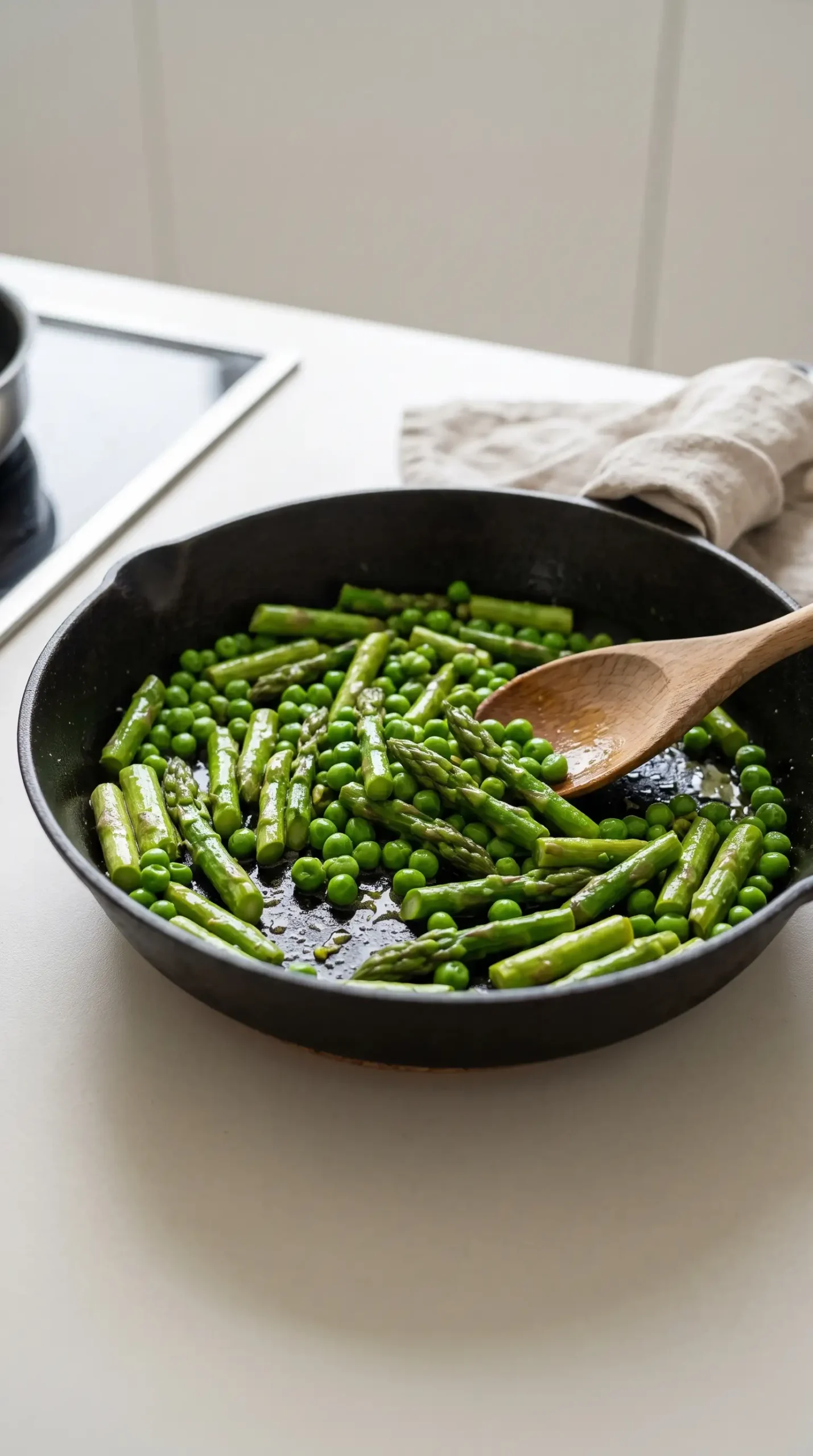
Seasonal vegetables benefit from attention before they meet the dough because moisture and texture influence the finished pizza. Preparing the asparagus and pea sauté first creates a topping that blends naturally with the cheese and crust during baking.
Provolone Creates the Melting Base for a Vegetable Pizza
Melted provolone provides the familiar pizza quality that connects the brighter vegetable flavors with the crust. Thin slices distribute easily, allowing the cheese to soften around the vegetables while the goat cheese remains visible in small creamy pockets.
Cooking Control Keeps the Asparagus Pea Pizza Crust Ready
Baking conditions shape the difference between a balanced pizza and one with uneven textures. The oven temperature and baking time need to support a crust that cooks through while giving the toppings enough heat to warm and melt together. The supplied method uses a bake that allows the assembled pizza to transform into a cohesive dish.
Proper assembly before baking also affects the outcome. Spreading sauce or using olive oil as the base layer gives the crust a flavorful foundation, while arranging the vegetables and cheeses evenly helps every portion receive a similar combination of flavors.
Careful placement matters because vegetables, cheese, and crust each respond differently to heat. Keeping the topping distribution balanced avoids sections dominated by only one component and creates slices where the goat cheese, provolone, asparagus, and peas work together.
| Pizza element | Preparation choice | Effect on finished slice |
|---|---|---|
| Asparagus and peas | Sauté before topping | Creates tender vegetables that blend with the baked pizza |
| Provolone | Slice thinly before assembly | Provides an even melted cheese layer |
| Goat cheese | Crumble across the surface | Adds creamy, tangy pockets of flavor |
Common Asparagus Pea Pizza Mistakes That Affect Texture
Overloading the crust can make a vegetable pizza difficult to enjoy because too many toppings may compete with the base. Keeping the asparagus and pea mixture balanced with the cheeses allows the crust to remain an important part of each bite.
Vegetable pizzas also benefit from managing moisture because topping moisture and crust texture are closely connected, making a balanced amount of vegetables important for a crisp finished base.
Uneven vegetable distribution is another issue that changes the eating experience. Concentrating all of the asparagus or peas in one area creates slices with inconsistent flavor. Spreading the sautéed vegetables across the pizza surface helps maintain balance from edge to edge.
Skipping preparation for the crust can also affect the finished result. Dough that requires rising needs enough time before assembly, and using a properly prepared base supports the toppings instead of leaving the pizza feeling unfinished.
Sauce Choices Change the Pizza’s Finished Character
Sauce adds another layer of flavor, but the pizza can also be prepared with oil as the base according to preference. Choosing between these approaches changes the overall impression, with sauce providing a traditional pizza direction and oil allowing the vegetables and cheeses to stand out more clearly.
Leftover Slices Offer More Than One Serving Style
Stored slices can develop deeper flavor as the ingredients continue to meld after baking. The combination of vegetables and cheese remains appealing beyond the first serving, making extra pieces useful for later meals instead of something that feels like an afterthought.
Reheating methods influence the texture of leftover pizza. A method that warms the crust while gently bringing back the melted cheese helps maintain the contrast between the firm base and creamy toppings. Avoiding excessive heat keeps the vegetable topping from becoming overly soft.
Creative serving choices can also change how leftover slices are enjoyed. Chopped pieces can become part of a lunch plate with fresh greens, or reheated wedges can be served as a quick meal when the original preparation has already been completed.
Serving Ideas Highlight Goat Cheese Pizza Contrasts
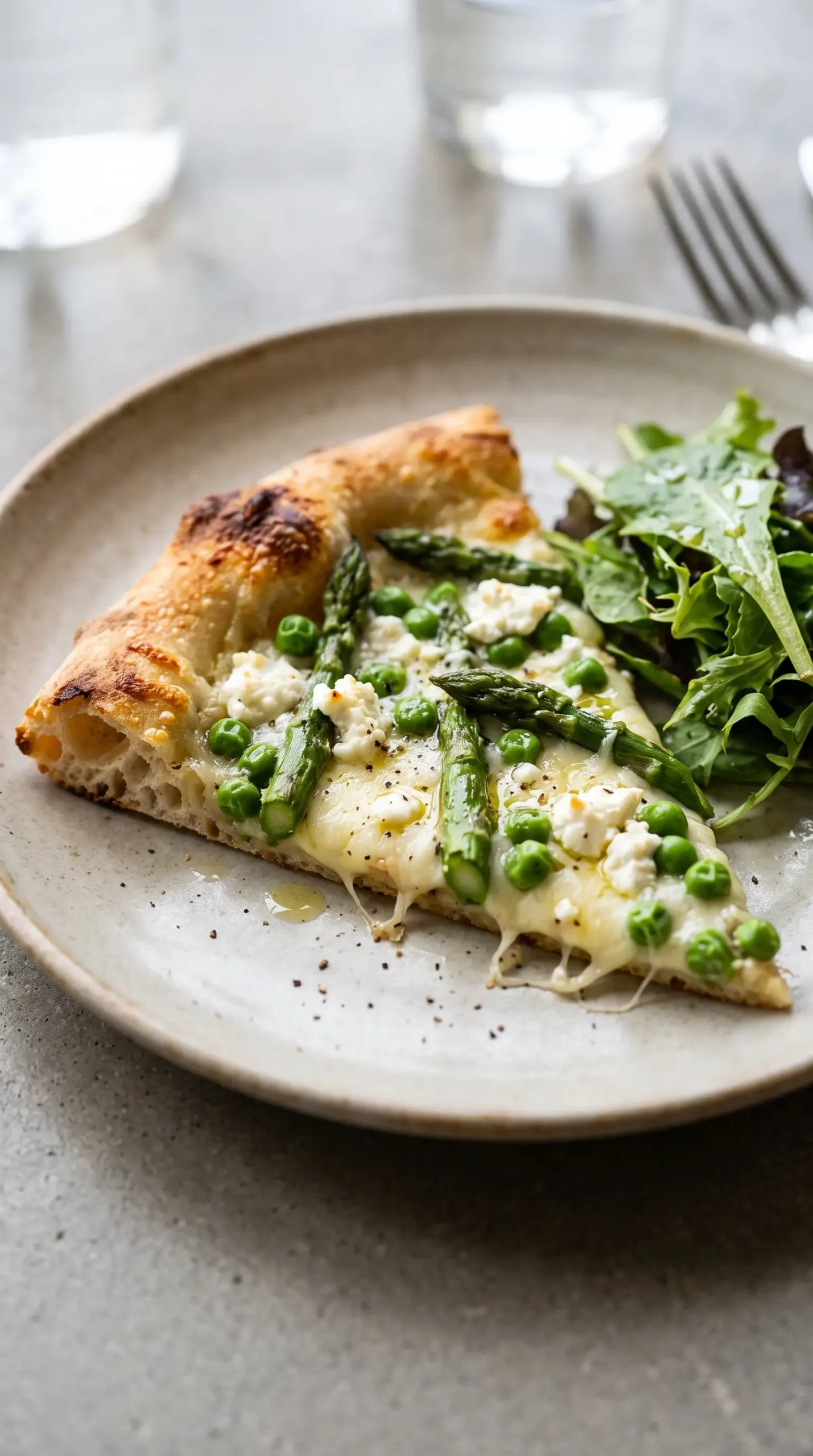
Fresh accompaniments can emphasize the flavors already present in goat cheese pizza. Simple additions that provide brightness or crunch can complement the creamy cheese and tender vegetables without competing with the main ingredients.
Vegetable Combinations Create Flexible Pizza Variations
Additional vegetables can be considered when adapting the pizza while keeping the original balance in mind. The asparagus and pea foundation works best when added ingredients support the creamy cheese and do not overwhelm the crust.
Different cheese choices may also shift the character of the pizza. Keeping provolone as the melting layer while adjusting the finishing cheese changes the flavor profile, but the contrast between a smooth melted cheese and a more distinctive topping cheese remains valuable.
Individual preferences can guide the choice between a sauced version and an oil-based version. Both approaches maintain the central idea of a vegetable pizza with goat cheese while creating slightly different experiences at the table.
- Crust adjustment: Choose a favorite pizza dough that can support the vegetable topping comfortably.
- Cheese variation: Maintain a balance between a melting cheese and a flavorful finishing cheese.
- Topping restraint: Add vegetables thoughtfully so each slice keeps a clear structure.
Asparagus Pea Pizza Finishes with Balanced Layers
Asparagus pea pizza succeeds when the crust, vegetables, and cheeses remain distinct while contributing to the same bite. The sautéed produce provides freshness, provolone supplies the melted foundation, and goat cheese adds the creamy contrast that defines the dish.
Balanced toppings allow the pizza to stay focused on texture and flavor instead of becoming crowded. A carefully prepared crust and evenly arranged ingredients create slices where every component has a clear role from the first serving through the last leftover piece.
Asparagus Pea Pizza Questions About Storage and Texture
Can asparagus pea pizza be made without pizza sauce?
Yes, the pizza can be prepared with oil instead of sauce. This approach lets the vegetables and cheeses become the main flavors while still providing a suitable base for the toppings.
How can the crust avoid becoming soft under the vegetables?
Preparing the asparagus and peas before assembly helps manage their texture before they reach the oven. Using a properly prepared crust and avoiding excessive topping amounts also supports a better slice structure.
What makes goat cheese work well on this pizza?
Goat cheese adds a tangy creamy element that contrasts with the mild melted provolone and the fresh vegetable flavors. Crumbling it across the surface creates small areas of concentrated flavor.
Can leftover asparagus pea pizza still taste good the next day?
Yes, leftover slices can remain enjoyable because the vegetable and cheese flavors continue to combine after baking. Gentle reheating helps preserve the contrast between the crust and toppings.
What type of vegetables pair well with this pizza style?
Vegetables that complement the asparagus and pea combination without adding excessive moisture are good options. Additions should maintain the balance between a sturdy crust, creamy cheese, and noticeable vegetable texture.
Asparagus Pea Pizza with Goat Cheese and Vegetables
Asparagus Pea Pizza combines a crisp crust with fresh vegetable toppings and creamy goat cheese for a flavorful, balanced pizza. It is a simple choice for a satisfying homemade meal.
Ingredients
Method
Preparation
- Prepare the pizza crust with enough time for rising if the dough requires it.
- Cook the asparagus and pea saute according to the preparation method.
Assembly
- Roll out the pizza dough and add the pizza sauce and/or oil base.
- Arrange the vegetables, thinly sliced provolone, and crumbled goat cheese over the crust.
Baking
- Bake the assembled pizza for 20 minutes at 400°F (204°C).
Serving
- Serve the pizza and keep any leftovers for later enjoyment.
Notes
Prepare the asparagus and pea saute before assembling the pizza so the vegetable topping is ready for baking.